Introduction
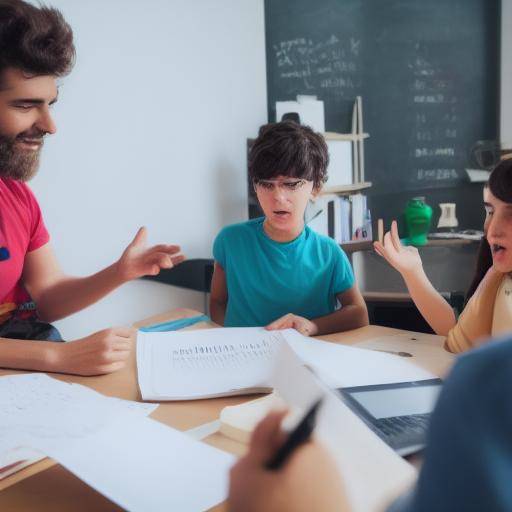
Effective communication is fundamental in all aspects of life. Whether in the professional, personal or academic sphere, communication skills play a crucial role in achieving goals and fostering meaningful relationships. In this article, we will explore how to develop communication skills to foster a successful mentality. We will address the importance of communication in building strong interpersonal relationships, its impact on the development of a successful-oriented mentality and provide practical advice and strategies to improve these skills.
History and Background
Communication skills have been valued throughout history. From the first forms of human communication, such as spoken and gestual language, to written communication and, more recently, digital communication, the human being has sought ways of expressing and connecting with others effectively. In business, clear and coherent communication is vital to the success of organizations. Anthropological and sociological studies have shown how communication has been fundamental in the evolution of human societies.
Analysis in Deep
The ability to effectively transmit and receive information has many benefits. In the working environment, clear and assertive communication promotes better collaboration, conflict resolution and effective decision-making. However, it faces challenges, such as cultural and linguistic barriers, as well as problems of perception that can hinder effective communication.
Comprehensive review
In developing communication skills, it is essential to consider the different contexts in which they will be applied. Since interpersonal relationships are the basis of effective communication, understanding the importance of empathizing with others and actively listening is crucial. In addition, the development of a successful mentality involves using communication as a tool for setting goals, motivating others and fostering a positive working environment.
Comparative analysis
Communication skills and the success mentality are inherently related. Both are mutually empowered, as effective communication contributes to the construction of a mindset focused on achieving goals, while a culture of success promotes more assertive and strategic communication. In terms of interpersonal relationships, they are strengthened by clear and empathic communication, which in turn contributes to the development of a successful mentality.
Practical Tips and Accessible Tips
- Encourages active listening: Paying attention to what others have to say is essential to understanding their needs and perspectives.
- Perfect your expression skills: Developing the ability to convey your ideas clearly and concisely is essential for effective communication.
- Practice empathy: Understanding the emotions and experiences of others will allow you to build stronger relationships and foster a positive working environment.
- Set clear goals: Use communication to align your team or collaborators with the objectives and values of the organization.
Industry Perspectives and Expert Reviews
According to business communication experts, communication skills are increasingly valued in the working environment, as their impact on productivity and job satisfaction is recognized. In addition, digitalization has generated new forms of communication, which has led to the need to adapt to a constantly evolving communicative environment.
Case Studies and Real Life Applications
One outstanding case is that of a company that implemented communication skills development programs for its leaders, resulting in a significant increase in team effectiveness and an improvement in talent retention. Similarly, individuals who strengthened their communication skills reported greater satisfaction and success in their personal and professional relationships.
Future Trends and Predictions
As globalization continues to transform the job landscape, communication skills and the success mindset are expected to be key elements in individual and organizational competitiveness. Emotional intelligence and the ability to adapt to different communication styles will be even more valued in the future.
Conclusion
In short, the development of communication skills is not only essential to fostering a culture of success, but also essential to building strong and effective interpersonal relationships. By applying assertive communication practices, empathy and active listening, both at the personal and professional level, the development of a goal-oriented mentality is enhanced. The mastery of these skills not only impacts on individual success, but also on that of teams and organizations.
Frequently asked questions
1. What are the most valued communication skills in the working environment?
The most valued skills include the ability to listen actively, express ideas clearly, adapt to different communication styles and effectively manage conflict situations.
2. How can I improve my communication skills in my personal life?
Practicing empathy, being aware of your own emotional reactions and seeking opportunities to communicate clearly and respectfully are key steps to improve your communication skills in the personal realm.
3. To what extent does communication influence the development of a culture of success?
Effective communication plays a crucial role in establishing clear goals, motivating others and creating a positive working environment, all fundamental in the development of a successful mentality.
4. What is the relationship between interpersonal relationships and communication skills?
Communication skills, such as empathy and active listening, are fundamental to building strong and meaningful interpersonal relationships.
5. How can I apply assertive communication techniques in my working environment?
Assertive communication involves expressing your ideas and needs in a clear and respectful way, establishing healthy limits and managing conflict situations constructively. Practicing these principles at work can significantly improve the dynamics of the equipment and the effectiveness of communication.
6. What impact does digitalization have on communication skills?
Digitalization has expanded forms of communication, which requires adapting to different styles and platforms. In addition, digital communication has increased the need to develop skills for effective and professional interaction through virtual media.
In conclusion, developing sound communication skills is essential to fostering a culture of success and building meaningful interpersonal relationships. By applying practical advice, understanding industry trends and learning from experts, it is possible to improve these skills at both the personal and professional levels, which can have a long-term positive impact on achieving goals and overall success.