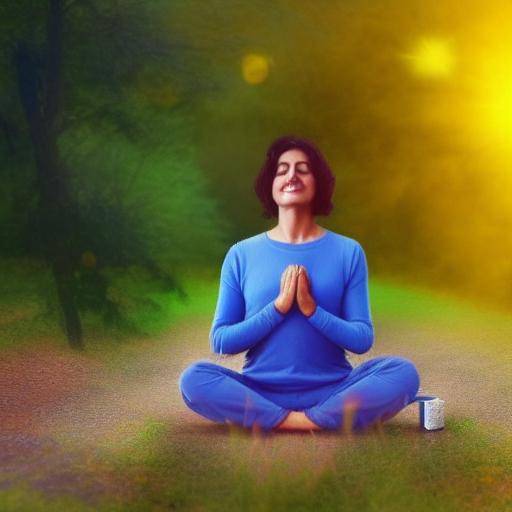
Gratitude is a powerful emotion that can positively impact emotional and mental well-being. Developing a daily routine of gratitude can be transformative, allowing you to appreciate what you have, improve your mood and find greater happiness every day. In this article, we will explore in detail how to develop this routine, the benefits it brings and how it can influence your emotional well-being.
Introduction
Developing a daily routine of gratitude is much more than just saying "thank you" for the good things that happen to you. It is a matter of adopting a constant attitude of appreciation and appreciation to all that surrounds you, from people who support you to small daily joys. Through this habit, you can cultivate a positive mentality that will help you face the challenges with greater strength and enjoy greater satisfaction in life.
History and Background
The concept of gratitude has profound historical and cultural roots in various philosophical and religious traditions. From the teachings of stoicism to the gratitude practices of mindfulness, gratitude has been valued as an essential component of human well-being. Throughout history, great thinkers, spiritual and scientific leaders have praised their transformative effects on the human psyche.
Importance in Different Cultures
Gratitude has been a recurring theme in different cultures throughout history. In ancient Greece, philosophers like Epicteto promoted gratitude as a means to achieve inner tranquility. Similarly, in the Eastern teachings of Buddhism and Hinduism, the regular practice of gratitude is considered essential to achieving inner harmony.
Contemporary Developments
In contemporary positive psychology, gratitude has acquired renewed interest. Scientific studies have demonstrated the positive impacts of gratitude on emotional well-being, including stress reduction, increased happiness and improvements in interpersonal relationships. These findings have led to a growing interest in developing daily routines of gratitude as a tool to promote mental and emotional well-being.
Detailed Analysis
By integrating gratitude into your daily routine, you can experience a number of significant benefits. Studies show that practicing gratitude on a regular basis can improve mental and emotional health, strengthen interpersonal relationships and foster a more positive attitude towards life.
Benefits for Emotional Welfare
The practice of gratitude is associated with a series of benefits for emotional health. Focusing on positive aspects of life can reduce stress levels, promote greater emotional resilience and improve mood. In addition, gratitude can promote feelings of generosity and empathy, fostering more satisfying interpersonal relationships.
Challenges and Challenges
Despite the obvious benefits, the development of a daily routine of gratitude can present challenges. In times of adversity or stress, it may be difficult to find reasons to feel grateful. In addition, some people may feel uncomfortable expressing gratitude, especially if they have experienced significant trauma or difficulties in the past.
Current trends
In the digital era, various tools and applications designed to promote gratitude and emotional well-being have been popularized. From online journals of gratitude to virtual communities focused on solidarity and mutual support, there is a growing tendency to use technology as a platform for collectively cultivating gratitude.
Comprehensive review
By developing a daily routine of gratitude, it is crucial to understand the different ways in which you can incorporate this practice into your daily life. From simple reflection exercises to concrete actions of gratitude, there are numerous strategies that can enrich your personal experience and foster greater emotional well-being.
Practical Applications
One of the most effective ways of cultivating gratitude is through conscious practice of recognizing and appreciating daily blessings. Keeping a journal of gratitude, where you regularly register the things you are grateful for, can serve as a constant reminder of the positive things that exist in your life. Setting specific moments during the day to reflect on the positive aspects can also help you incorporate gratitude into your daily routine.
Best Practices and Tips
By developing your daily routine of gratitude, it is important to maintain an attitude of openness and acceptance. Recognizes that gratitude is a continuous process that requires practice and patience. It incorporates gratitude at different moments of your day, either by waking up in the morning, before sleeping or during moments of tranquility. Find opportunities to express your gratitude to others, either through words, gestures or acts of goodness.
Industry Perspectives and Expert Reviews
To better understand the importance of gratitude in emotional well-being, it is essential to consider the views and perspectives of experts in the field of psychology, personal well-being and spirituality. Professionals with experience in promoting mental and emotional well-being can offer valuable inputs on how gratitude can positively impact quality of life.
Reflections of Experts
Psychologists and therapists specializing in emotional well-being often highlight the fundamental role of gratitude in building a positive and resilient mentality. According to them, regular practice of gratitude can contribute significantly to reducing stress, managing anxiety and promoting emotional stability.
Industry trends
In the welfare industry, gratitude has been consolidated as a important focus of attention. From mindfulness programs in the workplace to mobile applications designed to promote reflection and daily appreciation, companies and well-being professionals have recognized the tangible benefits of fostering gratitude as a regular practice.
Case Studies and Real Life Applications
To specifically illustrate the benefits of developing a daily routine of gratitude, it is instructive to examine real cases in which this practice has produced significant impacts on people's lives. Through these experiences, it is possible to understand how gratitude can positively transform the perspective and emotional well-being of individuals.
Experimental examples
Personal stories of individuals who have adopted and maintained a daily routine of gratitude can provide a moving view of the positive impacts that this practice may have. From overcoming personal challenges to improving interpersonal relationships, the testimonies of those who have embraced gratitude as a daily habit can inspire others to do the same.
Scientific Evidence and Results
In addition to personal experiences, scientific studies and empirical data can be used to support the effectiveness of gratitude to improve emotional well-being. These research can provide a solid basis for understanding how the development of a daily routine of gratitude can have a measurable impact on mental and emotional health.
Future Trends and Predictions
As interest in emotional and personal well-being continues to grow, it is possible to project future trends related to gratitude and its impact on society. Analyzing these trends and predictions can offer an innovative insight into how the practice of gratitude can evolve and expand in the future.
Integration in Education
Within the educational sphere, gratitude is likely to be increasingly integrated into programmes and curricula focusing on the emotional well-being of students. Teaching gratitude and appreciation skills can become an integral part of socio-emotional education, preparing future generations to cultivate a positive and resilient attitude.
Innovative Technological Applications
Technology is expected to continue to play a crucial role in promoting gratitude and emotional well-being. The development of more sophisticated mobile applications, the incorporation of virtual reality for immersive gratitude experiences and the expansion of online platforms dedicated to solidarity and community support could transform the way people practice gratitude in the future.
Conclusions and FAQs
Developing a daily routine of gratitude can be a revealing process that transforms the way we perceive and experience the world around us. By incorporating gratitude into our daily lives, we open the door to greater emotional well-being, deeper relationships and a fuller appreciation of life.
Frequently asked questions
How can gratitude improve my emotional well-being?
Gratitude can generate a greater sense of well-being, reduce stress, improve self-esteem and foster positive relationships.
How can I begin to develop a daily routine of gratitude?
An effective way is to bring a diary of gratitude, take a daily moment to reflect on the things you are grateful for and express your appreciation to others.
Can I experience tangible benefits by practicing gratitude regularly?
Yes, studies have shown that regular practice of gratitude is associated with improvements in mental and emotional health, as well as in quality of life in general.
Is gratitude part of any particular spiritual or religious practice?
Gratitude is a common value in many spiritual and religious traditions, but its practice is not limited to any particular doctrine. It is a universal human quality.
Is it possible to develop a routine of gratitude even though it is going through difficult moments?
Yes, in fact, the practice of gratitude can be especially beneficial in times of adversity, as it can help focus on positive aspects and strengthen emotional resilience.
Are there multiple ways of expressing gratitude?
Absolutely, from a simple verbal thanks to acts of service to others, there are many ways to express and experience gratitude in everyday life.
Conclusion
Throughout this article, we have explored in detail how to develop a daily routine of gratitude can have a profound impact on our emotional well-being. From its historical roots to the growing influence in contemporary society, the practice of gratitude challenges us to adopt a more positive and appreciative perspective of life. By integrating gratitude into our daily habits, we can cultivate greater happiness, emotional resilience and meaningful connections with others. Ultimately, gratitude offers us a constant reminder of the infinite reasons we have to be grateful, enriching our lives and strengthening our emotional well-being.
Conclusion: (1088 words)
Adding all the benefits it brings to incorporate the daily routine of gratitude into everyday life makes us realize that, beyond a simple act of gratitude, we are facing a powerful tool that can transform our perception of the world, strengthen our emotions and improve our interpersonal relationships. Gratitude offers us a renewed look at life, making us aware of daily blessings, and invites us to adopt a more positive and resilient attitude to the challenges that arise.
The regular practice of gratitude not only has the potential to positively impact individual emotional well-being, but can also contribute to the creation of more supportive and compassionate communities. Through constant expressions of gratitude, we can promote an environment of understanding and mutual appreciation, fostering human connection and collaboration. At the end of the day, gratitude reminds us that, despite the challenges and difficulties we face, there is much to be grateful for.
Frequently asked questions
How can gratitude improve my emotional well-being?
Gratitude can generate a greater sense of well-being, reduce stress, improve self-esteem and foster positive relationships.
How can I begin to develop a daily routine of gratitude?
An effective way is to bring a diary of gratitude, take a daily moment to reflect on the things you are grateful for and express your appreciation to others.
Can I experience tangible benefits by practicing gratitude regularly?
Yes, studies have shown that regular practice of gratitude is associated with improvements in mental and emotional health, as well as in quality of life in general.
Is gratitude part of any particular spiritual or religious practice?
Gratitude is a common value in many spiritual and religious traditions, but its practice is not limited to any particular doctrine. It is a universal human quality.
Is it possible to develop a routine of gratitude even though it is going through difficult moments?
Yes, in fact, the practice of gratitude can be especially beneficial in times of adversity, as it can help focus on positive aspects and strengthen emotional resilience.
Are there multiple ways of expressing gratitude?
Absolutely, from a simple verbal thanks to acts of service to others, there are many ways to express and experience gratitude in everyday life.
Conclusion
In the end, gratitude reminds us that life is full of opportunities to appreciate and celebrate, however small. Incorporating a daily routine of gratitude into our lives gives us a constant reminder of the simple joys that surround us, fosters a more balanced and resilient state of mind, and strengthens our connections with others.
Keeping an attitude of gratitude allows us to face the challenges with greater steadfastness, find comfort in the difficult moments and cultivate a positive mentality that drives us forward. Through regular practice of gratitude, we can discover beauty in everyday life, nurture more genuine relationships and experience a deep sense of emotional well-being.
Ultimately, gratitude is not only a personal quality, but also a gift we can share with the world around us. In expressing our gratitude and appreciation, we contribute to sowing seeds of goodness and generosity that can flourish and enrich our lives and those of others.
With every passing day, the daily routine of gratitude offers us a renewed opportunity to open our hearts and minds to the fullness of life. By adopting this conscious practice, we undertake to welcome the beauty that surrounds us, to appreciate the connections we share and to recognize the abundance that surrounds us. Gratitude is the key that unlocks countless emotional treasures, and by incorporating it into our daily lives, we open the door to a richer, meaningful and deeply satisfying experience.