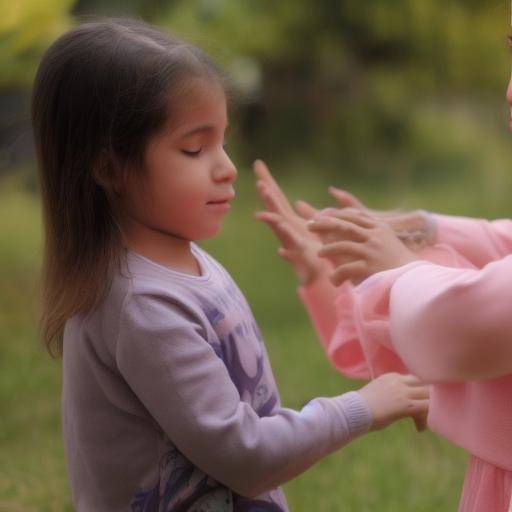
Gratitude and self-affirmation are two powerful forces that, when united, can have a significant impact on our emotional well-being. In this article, we will explore in depth how to develop gratitude through self-affirmation, understanding its importance, effective practices, benefits and its influence on emotional well-being. We will discover how these two forces can transform our lives and how we can incorporate them into our day by day. Join us on this journey of self-reflection and emotional growth.
Introduction
Gratitude is said to be the memory of the heart. Throughout history, gratitude has been regarded as a powerful virtue that fosters happiness, strengthens relationships and improves mental health. On the other hand, self-affirmation focuses on recognizing and claiming our positive qualities, strengthening our self-esteem and confidence.
History and Background
Origins and Evolution
The history of gratitude goes back to ancient cultures, where the action of giving thanks was considered an act of humility and respect for others. In civilizations such as Greek and Roman, gratitude was closely linked to ethics and moral behavior.
Importance throughout the century
During the Middle Ages and the Renaissance, gratitude was linked to religion and morality. In modern times, philosophers and thinkers explored their meaning, highlighting their role in psychology and social interaction.
Significant Developments and Daughters
The twentieth century marked a significant turn in the understanding of gratitude, with scientific research that revealed its positive effects on mental and physical health. This recognition led to the emergence of conscious gratitude practices and their integration into psychological therapies.
Analysis in Deep
Gratitude and self-affirmation have been the subject of extensive studies in the field of positive psychology. Research has shown that regular practice of gratitude can improve emotional resilience, reduce stress and promote positive emotions.
Detailed Analysis
Benefits and Challenges
Gratitude and self-affirmation not only impact our emotional well-being, but also strengthen our mental health and interpersonal relationships. However, facing challenges and obstacles in the practice of gratitude and self-affirmation is common, as they often challenge deep-seated mental patterns.
Current trends
In the contemporary world, more and more people resort to gratitude and self-affirmation as tools to strengthen their emotional well-being. The popularity of the meditation of gratitude, the daily of gratitude and the positive affirmations reflects this growing trend.
Experiences and Examples
In the testimonies of individuals who have integrated gratitude and self-affirmation into their lives, there is a positive transformation in their perception of themselves and the world around them. These personal experiences illustrate the tangible influence of these practices in everyday life.
Comprehensive review
Practices and Best Practices
The incorporation of gratitude and self-affirmation in everyday life can be achieved through simple practices such as maintaining a daily gratitude journal, making daily self-affirmations and expressing gratitude to others. These daily actions consolidate the habit of recognizing and assessing the positive in our lives.
Reflections of Experts and Future Perspectives
Experts in the field of psychology and well-being emphasize the lasting impact of gratitude and self-affirmation on emotional health, highlighting their transformative potential. Continuing research and growing public attention point to a future where these practices are further integrated into our daily lives.
Comparative analysis
Gratitude vs. Self-affirmation: Similarities and Differences
While gratitude and self-affirmation are different concepts, they share a common approach in the recognition and valuation of positive aspects. While gratitude focuses on recognizing and appreciating what others have done for us, self-affirmation focuses on recognizing our own strengths and achievements.
Potential synergies
The integration of gratitude and self-affirmation can enhance their individual effects, creating a positive cycle of recognition and appreciation for both others and self. This synergy strengthens self-esteem, empathy and emotional resilience.
Practical Tips and Accessible Recommendations
Incorporating Gratitude and Self-Affirmation in Your Daily Life
- Start a Thanksgiving: Take a few minutes each day to write three things for which you feel grateful.
- Practice daily self-affirmation: Identify your strengths and recite positive affirmations in front of the mirror.
- Express gratitude to others: Recognize the kind actions of those around you and express your gratitude.
Perceptions of Industry and Expert Reviews
Visions on the Future of Gratitude and Self-affirmation
Experts agree that the integration of gratitude and self-affirmation in daily life will become even more relevant in the future, especially in a world marked by stress and uncertainty. Gratitude and self-affirmation practices are developed as essential tools for emotional well-being and personal development.
Case Studies and Practical Applications in Real Life
Examples of Transformations through Gratitude and Self-affirmation
Ana, a stressed professional, experienced a remarkable improvement in her emotional well-being by adopting a daily routine of gratitude and self-affirmation. These practices gave him a more positive perspective and helped him face resilience challenges.
Future Trends and Predictions
Emerging Progress and Future Predictions
As awareness of the positive impact of gratitude and self-affirmation continues to expand, new applications and methods are expected to emerge to integrate these practices into everyday life. Digital technology could also facilitate access to exercises of gratitude and self-affirmation on a wider scale.
Conclusion
Gratitude and self-affirmation are powerful tools to promote emotional well-being and personal growth. By developing gratitude through self-affirmation, we can experience an internal transformation that positively impacts our thoughts, emotions and actions. By adopting these practices in our lives, we can cultivate an attitude of appreciation and confidence in ourselves and in the world around us.
FAQs (Frequently Asked Questions)
1. What is the impact of gratitude on emotional well-being?
Gratitude has been associated with an improvement in mental health, reduction of stress and promotion of positive emotions, which contributes greatly to emotional well-being.
2. How can I effectively practice self-affirmation?
Effective self-affirmation is achieved by identifying and recognizing our strengths, reciting positive affirmations and challenging self-critical thoughts.
3. What is the difference between gratitude and self-affirmation?
Gratitude focuses on the recognition and appreciation of what others have done for us, while self-affirmation focuses on recognizing our own strengths and achievements.
4. Is it possible to integrate gratitude and self-affirmation into everyday life?
Yes, gratitude and self-affirmation can be integrated into our daily lives through practices such as the daily of thanksgiving, meditation of gratitude and reciting positive affirmations.
5. What are the advantages of combining gratitude with self-affirmation?
The combination of gratitude and self-affirmation can strengthen self-esteem, improve emotional resilience and foster a more positive vision of life and self.
6. How can I overcome the challenges in practicing gratitude and self-affirmation?
Overcoming the challenges in practicing gratitude and self-affirmation requires an attitude of openness, perseverance and self-pity, recognizing that positive change takes time and effort.
In short, developing gratitude through self-affirmation is a path to emotional well-being that offers many benefits. By integrating these practices into our lives, we can cultivate a culture of appreciation, resilience and trust in ourselves. Over time, these simple but powerful practices can transform not only our vision of life, but also the way we interact with the world around us.