Trouble solving is a fundamental ability to face the challenges of daily life. From work situations to personal dilemmas, the ability to find effective solutions is key to thrive in any facet of life. However, the development of these skills depends not only on logic and reasoning, but also on the mental and emotional approach. In this article, we will explore how gratitude can influence the development of problem-solving skills, providing a positive and constructive perspective to address the challenges.
Influence of Gratitude in Problem Resolution Skills
Gratitude, defined as the recognition and appreciation of the good in life, goes beyond being a momentary emotion. Practicing gratitude in a conscious and constant way can have a significant impact on how we address problems and challenges. By adopting a grateful mentality, we are naturally inclined towards positivity and resilience, which in turn influences our ability to resolve problems effectively.
Developing a Positive Mentality
Gratitude helps us focus on what we have, instead of what we lack. By adopting this mentality, our perception of problems changes, allowing us to find solutions from a place of abundance and hope, rather than from scarcity and fear. This positive mentality strengthens our confidence in our troubleshooting skills, pushing us to face the challenges with optimism and determination.
Promoting Creativity and Innovation
Gratitude frees us from the emotional weight of negativity, which in turn clears the way for creative thinking and innovation. Being free from negative mental burden, we are more likely to explore new perspectives and approaches to solving problems, allowing us to discover original solutions that might otherwise have gone unnoticed.
Strengthening Interpersonal Relations
Gratitude not only influences our own mentality, but also has an impact on our interactions with others. By expressing gratitude to those around us, we foster positive and constructive relationships. This, in turn, can create a support environment that facilitates collaborative resolution of problems, taking advantage of individual strengths to find comprehensive solutions.
Integrating Gratitude in Personal Development
Personal development encompasses the emotional, intellectual and spiritual growth of a person. Gratitude, as an integral part of this process, plays a crucial role in the way we face the challenges and develop our troubleshooting skills.
Gratitude Practices
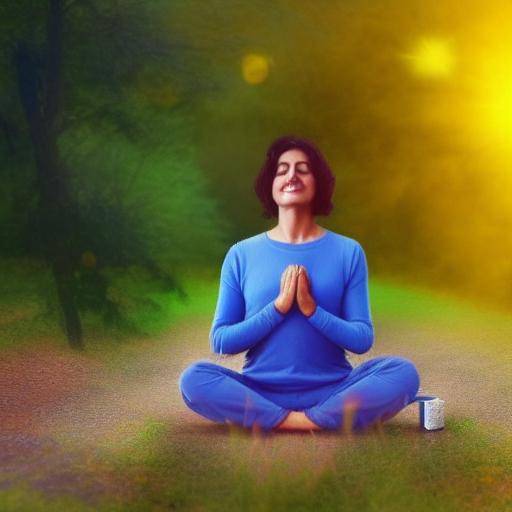
Various practices, such as carrying a daily of gratitude, participating in acts of goodness towards others or simply reflecting on daily blessings, can cultivate gratitude in our lives. By integrating these practices into our daily routine, we can strengthen our positive mentality and foster a constructive approach to addressing the challenges.
Building Resilience
Gratitude is closely linked to the ability to recover from adversity. By practicing gratitude, we develop greater emotional resilience, allowing us to face the setbacks with greater strength and determination. This resilience is fundamental in the personal development process, as it trains us to overcome obstacles and continue to grow despite the challenges.
Self-discovery and learning
Gratitude also plays a role in self-discovery and continuous learning. By adopting a grateful mentality, we are more receptive to the lessons that life offers us, which allows us to find meaning and purpose in both positive and challenging experiences. This openness to learning is fundamental for personal development, as it drives us to expand our horizons, acquire new skills and find opportunities for growth in each situation.
Integrating Gratitude into Problem Resolution
The influence of gratitude in solving problems is manifested in a practical way in our ability to face challenges with resilience, mental clarity and constructive approach. By integrating gratitude into this process, we can transform the way we address problems and ultimately improve our resolution skills.
Focusing on Solutions, Not Problems
Gratitude helps us to change our perspective, shifting the approach of obstacles to possible solutions. By adopting this mentality, we are freed from the feeling of being trapped by problems, which allows us to proactively and focused on finding effective solutions.
Acceptance and Adaptation
Gratitude also promotes acceptance of current circumstances, regardless of how challenging they may be. This acceptance does not imply resignation, but rather the ability to face reality with burying and adaptability. By integrating gratitude, we develop the ability to adapt to changing situations, allowing us to find innovative solutions and adjust our approaches as necessary.
Building Resilience
Gratitude strengthens our emotional resilience, providing a damper against discouragement and despair when we face challenges. This resilience is fundamental to problem solving, as it trains us to persevere despite the difficulties, seeking solutions with determination and confidence in our abilities.
Conclusion
The development of problem-solving skills through gratitude represents a comprehensive and positive approach to addressing the challenges of life. By cultivating a grateful mentality, we strengthen our ability to face problems with optimism, creativity and resilience, which in turn contributes significantly to our personal development. Integrating gratitude into our lives not only improves our ability to solve problems effectively, but also enriches our perspective and quality of life in general.
Frequently asked questions
1. How can I incorporate gratitude practices in my daily life to develop problem solving skills?
Incorporating gratitude practices in everyday life can be as simple as keeping a daily of thanks, dedicating a few minutes a day to reflect on blessings or expressing gratitude to others. These practices can strengthen our positive mindset, promoting a constructive approach to addressing challenges and improving our problem-solving skills.
2. What is the relationship between gratitude and resilience in the context of problem solving?
Gratitude strengthens resilience by providing a positive approach to adversity. By adopting a grateful mentality, we develop the ability to face challenges with determination and hope, which in turn influences our ability to resolve problems effectively.
3. How can gratitude improve interpersonal relationships and their impact on problem solving?
Gratitude fosters positive and constructive relationships, which can facilitate collaborative troubleshooting. By expressing gratitude to those around us, we strengthen interpersonal ties and create an enabling environment for collaboration and mutual support in problem solving.
4. Can gratitude help to develop creativity in problem solving?
Yes, gratitude can foster creativity by freeing us from negative emotional burden, allowing us to explore new perspectives and approaches to solving problems. By adopting a grateful mentality, we are more open to innovation and creative thinking, which can lead us to discover original solutions that could otherwise have gone unnoticed.
5. What is the impact of gratitude on personal development and its influence on problem solving?
Gratitude, as an integral part of personal development, significantly influences how we address challenges and develop our problem solving skills. By cultivating gratitude, we strengthen our resilience, foster adaptability and adopt a positive mentality that contributes to the integral development of our skills to resolve problems effectively.
6. How can I maintain a constructive approach by facing problems using gratitude as a tool?
Maintaining a constructive approach in dealing with problems through gratitude implies adopting a positive perspective, focusing on solutions rather than problems, practising acceptance and adaptability, and strengthening our emotional resilience. Gratitude enables us to address the challenges with optimism, creativity and determination, significantly improving our ability to resolve problems effectively.
In short, the development of problem-solving skills through gratitude offers a holistic and positive approach to addressing the challenges of life. By integrating gratitude into our lives and processes of personal development, we strengthen not only our ability to solve problems, but also our resilience, creativity and positive approach to life in general.
Remember that gratitude not only improves our ability to solve problems effectively, but also enriches our quality of life in general, promoting meaningful personal growth.