Volunteering is an activity that not only benefits the communities that attend, but can also have a significant impact on the personal development of volunteers. One of the key skills that can be developed through volunteering is problem solving. In this article, we will explore how volunteering can be a powerful tool to develop problem solving skills, as well as their impact on personal growth.
Importance of troubleshooting
Problem solving is a fundamental skill in everyday life, as well as in the working and professional environment. It allows us to face challenges effectively, find creative solutions and make informed decisions. Through volunteering, people have the opportunity to implement their problem-solving skills in real-world situations, which in turn helps them develop a more solid problem-solving mentality.
How do problem solving skills develop through volunteering?
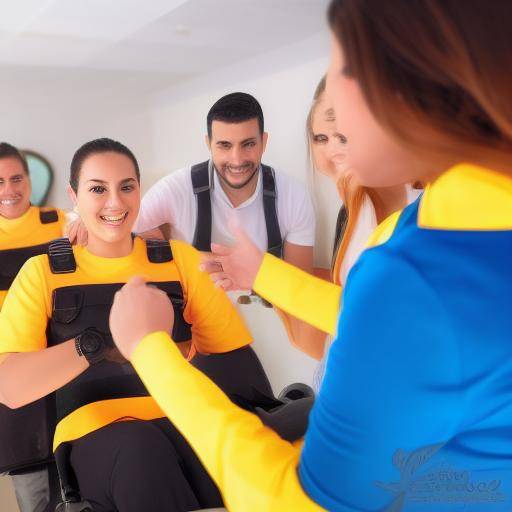
Volunteering exposes individuals to a variety of challenges and situations that require effective solutions. By working on community-based projects, volunteers can face complex problems, such as lack of resources, event planning, or conflict management. These experiences provide a fertile ground for the development of problem-solving skills, as volunteers must think creatively, collaborate with others and make informed decisions to overcome the obstacles that may arise.
One of the most significant advantages of using volunteering as a platform for developing troubleshooting skills is the ability to see the direct impact of the solutions implemented. This provides immediate feedback and often serves as a motivating engine to continuously improve troubleshooting skills.
Volunteering and personal development
In addition to the obvious benefit of helping others, volunteerism can have a transformative impact on the personal development of volunteers. Faced with challenges in a volunteer environment, individuals can discover new perspectives, strengthen their empathy, improve their communication skills and develop greater confidence in their capacities, all of which contribute both to their personal well-being and to their long-term professional growth.
History and Background
The concept of volunteering has its roots in various cultures and societies throughout history. From ancestral community practices to modern humanitarian aid movements, volunteerism has played a crucial role in solving problems in different contexts. Over the centuries, volunteerism has evolved and adapted to the changing challenges facing humanity, from humanitarian crises to social problems in local communities.
Volunteered in the modern era
Volunteerism has experienced a significant resurgence in the modern era, partly because of globalization and the growing awareness of global problems. Non-governmental organizations, educational programmes and socially responsible companies have played a crucial role in promoting and organizing volunteerism around the world, which has generated substantial impacts on solving problems at the local, national and international levels.
Analysis in Deep
Benefits of volunteering in troubleshooting skills development
Volunteering provides a unique environment for the development of problem solving skills that is not easily found in other contexts. In facing real challenges and teamwork to find solutions, volunteers can cultivate skills such as critical thinking, creativity, time management, decision-making and adaptability. These skills are not only valuable at the individual level, but are also highly appreciated by employers and educational institutions.
Challenges of volunteering in problem solving
Despite the obvious benefits, volunteering is not without challenges in terms of problem solving. Volunteers may encounter unforeseen obstacles, resource constraints or cultural differences that require rapid and effective solutions. These challenges not only promote the development of problem-solving skills, but also foster the ability to adapt and empathy towards others.
Comprehensive review
Successful troubleshooting skills applications through volunteering
Many volunteer projects have demonstrated the effectiveness of problem solving skills in positive impact creation. From humanitarian crisis management to the implementation of community development programmes, volunteerism has been instrumental in addressing complex challenges and generating significant changes. These case studies highlight the importance of volunteering as a platform to develop and apply problem solving skills in real life situations.
Best practices in troubleshooting skills development through volunteering
To maximize the potential for problem-solving skills development through volunteerism, it is essential to promote a collaborative and supportive learning environment. Establishing training programs, fostering conscious reflection on volunteering experiences and providing constructive feedback are some of the key strategies to improve the effectiveness of volunteering as a skill development engine.
Comparative analysis
Trouble resolution vs. Volunteering: Synergies and Differences
While problem solving and volunteering are different concepts, there is a clear overlap in their practical application. Volunteering provides an ideal scenario for problem-solving skills, as volunteers face diverse challenges that require innovative solutions. In turn, the development of problem-solving skills through volunteerism can have a positive impact on the effectiveness and scope of voluntary initiatives.
Practical Tips and Actions
How to enhance troubleshooting skills through volunteering
- Actively participate in volunteer projects that challenge your troubleshooting skills.
- Collaborate with other volunteers to address complex challenges jointly.
- Reflect on your volunteer experiences and identify opportunities for improvement in problem solving.
- It seeks training or mentoring programs that focus on developing problem solving skills through volunteerism.
Conclusions
Volunteering offers a fertile ground for developing problem-solving skills, providing volunteers with the opportunity to face significant challenges and make a tangible difference in the communities they serve. From strengthening decision-making to promoting creativity and collaboration, volunteerism plays a vital role in the personal and professional development of individuals. By harnessing the potential of volunteering as a platform for developing problem-solving skills, a generation of committed and empowered citizens can be cultivated capable of addressing the challenges of the world with confidence and compassion.
Frequently asked questions
**1. Is volunteering an effective way to learn how to solve problems?**Yes, volunteering provides practical experiences that challenge volunteers to find effective solutions to real problems, which helps in developing problem solving skills.
**2. How can I improve my troubleshooting skills through volunteering?**Find volunteer opportunities that expose you to significant challenges and actively collaborate with other volunteers to effectively address these challenges.
**3. Can I transfer the troubleshooting skills you develop through volunteering to my professional life?**Absolutely. Problem solving skills developed through volunteering, such as decision-making, creativity and change management, are highly transferable to professional environments and can be valued by employers.
**4. Are there specific volunteer opportunities that are especially effective in developing problem solving skills?**Projects focused on the resolution of humanitarian crises, community development and social aid often offer especially challenging and enriching environments for the development of problem-solving skills.
**5. What is the importance of receiving feedback during volunteering to improve troubleshooting skills?**Constructive and reflective feedback is essential to continually improve problem solving skills through volunteering by providing learning and growth opportunities.
**6. How can I apply the troubleshooting skills you develop through volunteering in my daily life?**Problem-solving skills can be applied to everyday situations, such as conflict management, planning and decision-making, which can contribute to a high level of personal and professional development.
Through volunteering, we can develop problem solving skills that not only benefit the communities we serve, but also enrich our personal and professional development. By taking advantage of the challenging and significant experiences offered by volunteerism, we can cultivate a mindset of solving solid problems that empowers us to address the challenges of the world with confidence and compassion.