Resilience, delayed gratification and emotional well-being are fundamental concepts in personal development and psychology. In this article, we will explore in depth the importance of building resilience to improve delayed gratification capacity and ultimately promote emotional well-being. We will discover history, benefits, challenges, practical applications, future trends and practical tips for building resilience. Through the perspective of experts, case studies and applications in real life, this article seeks to provide an integral understanding of these fundamental issues. Let us begin our journey to emotional strengthening and personal growth!
Introduction
In the search for a full and satisfactory life, it is crucial to understand and cultivate resilience, the ability to adapt positively to adversity. Resilience not only helps us overcome challenges, but also influences our ability to delay gratification, a vital aspect for achieving long-term goals. By developing the ability to differ from reward, we can foster sustainable and lasting emotional well-being. Throughout this article, we will explore the connections between resilience, delayed gratification and emotional well-being, providing valuable knowledge for personal growth and psychological development.
History and Background
Modern understanding of resilience has developed over decades of research and observation in fields such as psychology, sociology and neuroscience. From the first pioneering works such as Emmy Werner, who studied the ability to adapt children in risk situations, to the current growth of positive psychology, there has been significant progress in our understanding of resilience.
On the other hand, the notion of delayed gratification has been studied in development psychology, especially in the theoretical framework of the Theory of the Apego. Researchers like Walter Mischel have explored how the ability to postpone reward in childhood is related to success in adult life.
Analysis in Deep
Benefits of Resilience and Delayed Gratification
Resilience offers a number of benefits for emotional well-being and the ability to face challenges effectively. From reducing stress to strengthening interpersonal relationships, resilience is a vital skill in modern life. Similarly, delayed gratification has been associated with a number of positive results, such as self-regulation, academic achievement and professional success.
Challenges and Challenges
Despite its benefits, building resilience and delayed gratification capacity is not without challenges. Factors such as the social environment, chronic stress and lack of models to follow can hinder the development of these skills.
Current and Future Outlook Trends
At present, resilience has become a burning issue in psychology, education and the business world. Strategies to strengthen resilience and encourage delayed gratification are gaining ground in various areas, from cognitive behavioral therapy to training programs in socio-emotional skills.
Comprehensive review
Practices and Best Practices
There are many ways to apply and strengthen resilience in everyday life. Strategies such as meditation, the construction of support networks and the adoption of a proactive approach to challenges are critical to building resilience.
Outlook of Experts
Some of the leading experts in the field of positive psychology and resilience share their vision of how to develop coping skills and effectively address adversity.
Comparative analysis##
Resilience, delayed gratification and emotional well-being are interrelated concepts that influence the way we face challenges and pursue long-term goals. While each has a distinctive approach, resilience provides the basis for managing adversity, delayed gratification allows to withstand short-term temptation after more significant long-term rewards, and emotional well-being encompasses the overall balance of our emotions and the effective management of stress.
Practical Tips and Actions
Tips for Cultivating Resilience:
- Accepts change as an inevitable part of life.
- Develop a solid support network.
- It cultivates positive and realistic thoughts.
Strategies for Delayed Gratification:
- It sets realistic and significant goals.
- Practice self-regulation and self-control.
- Seek long-term rewards instead of immediate satisfaction.
Ideas and Industry Reviews
In taking into account the importance of corporate resilience and gratification, many leaders have implemented strategies to foster an environment that promotes these skills in their work teams. From emotional welfare programs to long-term goals incentives, organizations are recognizing the importance of strengthening these capacities in their employees.
Case Studies and Real Life Applications
Case Study 1: Overcoming Adversity
The case of Ana, a woman who faced many challenges in her professional and personal life, but managed to cultivate resilience from her experiences, is an inspiring example of how resilience can influence overcoming obstacles.
Case Study 2: Delayed Gratification in Education
The case of an educational program that encourages delayed gratification among students, demonstrating how the ability to postpone reward can influence academic performance and long-term decision-making.
Future Trends and Predictions
Emerging trends
The advance of technology and the rapid evolution of the working environment are generating a growing interest in skills such as delayed resilience and gratification. As we face global challenges, the ability to adapt quickly and keep the focus on long-term goals becomes increasingly relevant.
Future predictions
Experts in psychology and human development anticipate that delayed resilience and gratification will be key areas of study and application in the future, both individually and organizationally. Further research and progress in personal and labour development practices are expected to continue to strengthen these fundamental aspects.
Conclusions and FAQs (FAQs)
Conclusions
Ultimately, delayed resilience and gratification play a crucial role in our ability to face challenges and pursue meaningful goals. By cultivating these skills, we can not only cope with adversity more strongly, but we can also keep the focus on long-term valuable rewards, thus promoting sustainable emotional well-being.
Frequently asked questions (FAQs)
1. How can I develop resilience in stress situations?
Developing resilience in stressful situations involves learning effective coping strategies, such as time management, seeking social support and maintaining a positive attitude.
2. Why is delayed gratification important to personal development?
Delayed gratification is essential for personal development, as it promotes the ability to defer immediate reward for long-term benefits, which contributes to the achievement of significant goals and the development of discipline.
3. What role does resilience play in our professional life?
Resilience in the working environment is crucial, as it allows us to face challenges, adapt to changes and maintain effective performance even in difficult conditions. In addition, resilience at work can strengthen labour relations and promote a positive environment in the workplace.
4. How can I encourage delayed gratification in my children?
Promoting delayed gratification in children involves teaching them about the importance of establishing long-term goals, rewarding effort and persistence, and modeling behaviors that demonstrate the value of postponing reward.
5. What is the relationship between resilience and emotional well-being?
Resilience is closely related to emotional well-being, as the ability to face challenges with strength and maintain a positive attitude contributes significantly to our mental and emotional health.
6. What is the impact of delayed gratification on financial decision-making?
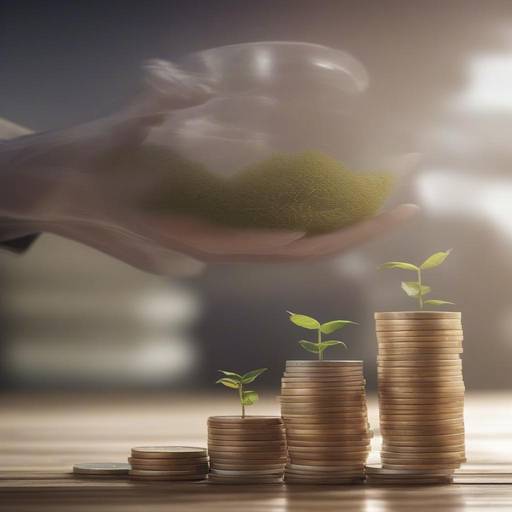
The ability to postpone gratification can influence financial decision-making, as it allows the long-term assessment of the benefits and consequences of our elections, thus fostering more effective financial planning.
In short, developing resilience to improve delayed gratification is essential for personal growth, professional success and emotional health. By understanding the interconnection between these concepts and implementing practical strategies, we can strengthen our coping skills and increase our ability to achieve long-term significant goals.