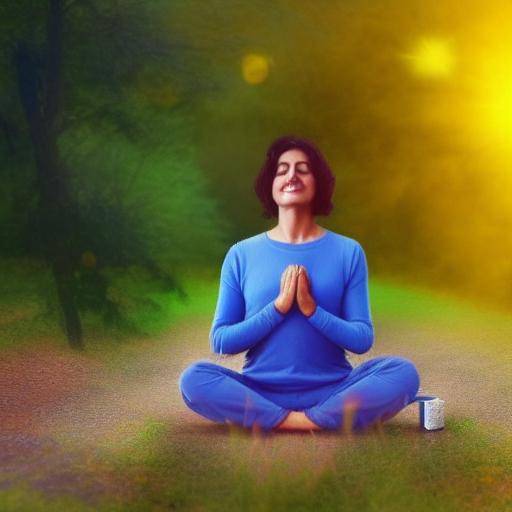
Personal satisfaction is an emotional state that reflects the feeling of well-being and fullness experienced by a person with himself and with his environment. Gratitude, on the other hand, is a powerful emotion that implies recognizing and valuing the good things that one has in life. Both concepts are closely related and their influence on emotional well-being is significant. In this article, we will explore in depth the connection between gratitude and personal satisfaction, discussing its benefits, challenges, practical applications, and future prospects.
Introduction
Personal satisfaction is a fundamental aspect for emotional balance and quality of life. People often seek personal accomplishment through material or professional achievements, however, the basis of real personal satisfaction lies in the ability to appreciate and value what is available. One of the emotional pillars that contribute to this feeling is gratitude. In this article, we will explore how gratitude impacts personal satisfaction and emotional well-being in general.
History and Background
Gratitude has been the theme of reflection and study in various cultures throughout history. From ancient philosophers to current currents of positive psychology, the exploration of gratitude has played a crucial role in understanding emotional well-being. The concept of gratitude can be traced in Eastern philosophies such as Buddhism and Confucianism, as well as in the teachings of Greek philosophers such as Epicuro and Socrates. In the Western world, gratitude has been approached from a religious, ethical and psychological approach.
The formal recognition of gratitude as a significant field of study in modern psychology began to gain strength at the end of the twentieth century, when the movement of positive psychology emphasized the healthy and constructive aspects of human behavior. Since then, many scientific studies have supported the idea that regular practice of gratitude contributes positively to personal satisfaction and emotional well-being.
Analysis in Deep
Gratitude, in its essence, implies focusing attention on the positive of life, rather than focusing on deficiencies or adversities. This mental perspective leads to a deeper appreciation of everyday experiences, fostering feelings of satisfaction and happiness. Numerous studies have shown that the practice of gratitude is associated with a wide range of psychological and emotional benefits, including a decrease in stress, increased emotional resilience, and greater satisfaction with life in general.
In a broader sense, gratitude promotes a positive attitude towards life, strengthens interpersonal relationships and fosters empathy and generosity. At the individual level, gratitude fosters the building of a positive identity and strengthens the sense of self-esteem, while reducing envy and resentment.
However, gratitude is not a permanent state. Some people may face challenges to feel it naturally due to conditions such as depression, anxiety, or traumatic experiences. In these cases, the adoption of specific practices to cultivate gratitude can be beneficial in improving emotional well-being.
Exhaustive examination
The practice of gratitude can be done in various forms, either through writing exercises, verbal expression, or meditation. Researchers and practitioners of positive psychology have developed specific interventions to cultivate gratitude, such as carrying a journal of gratitude, identifying three positive things every day, or expressing gratitude to significant people.
As the understanding of gratitude has evolved, the focus has also expanded on the tangible benefits it brings to different areas of life, including physical health, interpersonal relationships, and job performance. These aspects are intertwined directly with personal satisfaction and emotional well-being, as an attitude of gratitude can positively influence the perception that a person has about their quality of life and their satisfaction in different areas.
Comparative analysis
When comparing personal satisfaction and gratitude, it is revealed that personal satisfaction is the result of a global evaluation of life, which incorporates emotional, cognitive and behavioral aspects, while gratitude is a specific emotion that contributes to this evaluation. Both concepts, however, are interconnected and feed each other. Gratitude can be seen as an essential component that directly contributes to personal satisfaction by influencing how people perceive and value their lives.
As for emotional well-being, gratitude stands out as a key factor. The ability to experience and express gratitude has been associated with higher levels of emotional well-being, including reduced levels of depression and stress, as well as a greater sense of happiness and satisfaction with life in general.
Practical Tips and Accessible Advice
To cultivate gratitude and strengthen personal satisfaction, it is essential to incorporate specific practices in daily life. Here are some practical tips for encouraging gratitude and improving personal satisfaction:
- Keep a diary of gratitude: Dedicate a few minutes each day to write three things for which you feel grateful. This will help you focus on the positive of your life and keep an optimistic perspective.
- Express gratitude: Take the time to express your gratitude to others verbally. Recognizing the kind actions of others strengthens interpersonal relationships and promotes feelings of connection and emotional well-being.
- Practice empathy: Try to put yourself in the place of others and understand their challenges and achievements. This perspective will help you to appreciate both your own circumstances and those of others, fostering feelings of gratitude and solidarity.
Industry Perspectives and Expert Reviews
Within the scope of psychology, gratitude has gained significant relevance, with numerous experts highlighting its impact on personal satisfaction and emotional well-being. According to the positive psychologist Dr. Sonja Lyubomirsky, regular practice of gratitude can have sustained effects on emotional well-being, while strengthening resilience to adversities.
In the therapeutic context, the integration of gratitude as part of intervention strategies has proven to be effective in treating disorders such as anxiety and depression. Mental health professionals have begun to incorporate gratitude interventions into their practices to complement traditional approaches.
Case Studies and Practical Applications
A study conducted in a working environment showed that people who practiced gratitude experienced higher levels of labor satisfaction and lower emotional exhaustion. This finding suggests that gratitude not only impacts personal life, but also professional life significantly.
In an educational context, it has been observed that teaching gratitude in classrooms promotes a positive climate and strengthens relations between students and teachers, which improves emotional well-being and willingness to learn.
Future Trends and Predictions
As interest in positive psychology and emotional well-being continues to grow, gratitude is expected to remain a topic of research and applied practices. In addition, the use of technology to facilitate the practice of gratitude, through online applications or platforms, is gaining relevance as an accessible and convenient way of fostering gratitude in everyday life.
Conclusion
The practice of gratitude is a powerful tool to promote personal satisfaction and emotional well-being. By cultivating gratitude, people can strengthen their ability to appreciate the positive qualities of their lives, which in turn contributes to greater personal satisfaction, stronger interpersonal connections and a general sense of well-being.
The interconnection between gratitude, personal satisfaction and emotional well-being is a constantly evolving area of study, with significant implications for psychology, mental health, education and other related fields. By adopting a perspective of gratitude and focusing on what is valued, people can experience a fundamental change in their emotional well-being and their perception of life in general.
Frequently asked questions
How can I cultivate gratitude in my daily life?
Growing gratitude in daily life can be simple but powerful. Some effective strategies include maintaining a daily of gratitude, expressing verbal gratitude, and practising acts of generosity towards others.
What concrete benefits can gratitude offer in terms of emotional well-being?
Gratitude has proven to be associated with stress reduction, greater satisfaction with life, an improvement in interpersonal relationships, and greater emotional resilience to challenges.
How can I incorporate gratitude into a working environment?
Integrating gratitude into a working environment can be beneficial in promoting worker satisfaction and emotional well-being. This can be achieved through expressions of gratitude, recognition of achievements and practices that encourage mutual appreciation.
Is there scientific evidence to support the positive effects of gratitude on personal satisfaction?
Yes, many scientific studies have supported the positive effects of gratitude on personal satisfaction, showing that people who practice gratitude experience higher levels of emotional well-being and satisfaction with life.
What role does gratitude play in building interpersonal relationships?
Gratitude strengthens interpersonal relationships by fostering feelings of appreciation, generosity and connection with others. Expressing gratitude to others can strengthen emotional ties and promote a positive environment in relationships.
Is gratitude equally relevant in different stages of life?
Yes, gratitude is relevant at all stages of life and can offer significant benefits in terms of emotional well-being in childhood, adolescence, adulthood and old age.
In short, gratitude plays a fundamental role in promoting personal satisfaction and emotional well-being. By adopting an attitude of gratitude and appreciation, people can experience a significant transformation in their perception of life and their ability to face everyday challenges with a positive mentality.
Thank you for reading this article! We hope it has been informative and useful.