Introduction
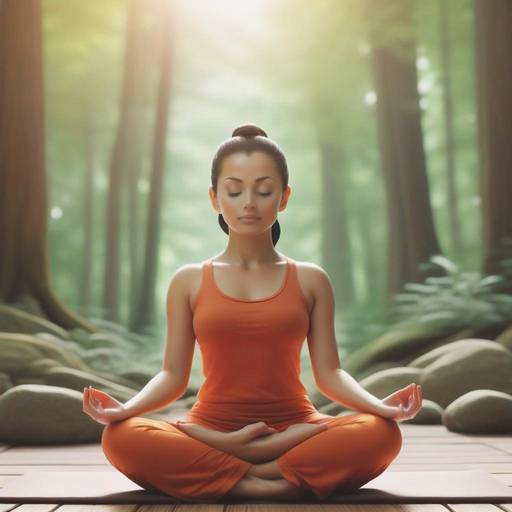
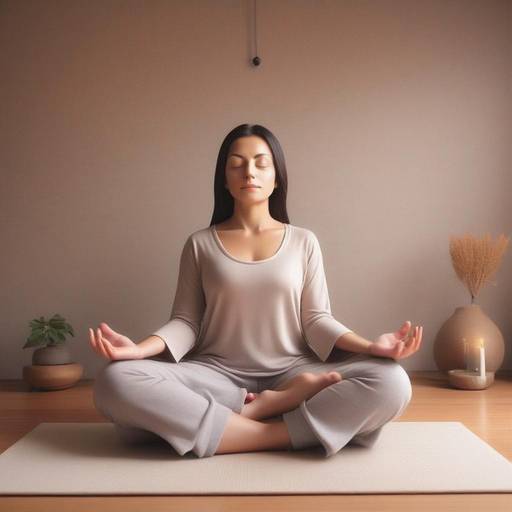
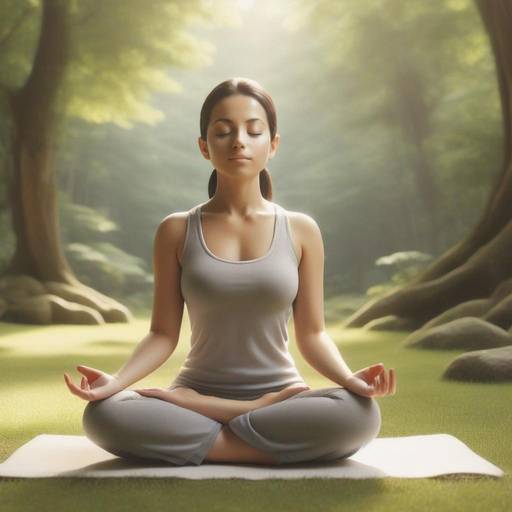
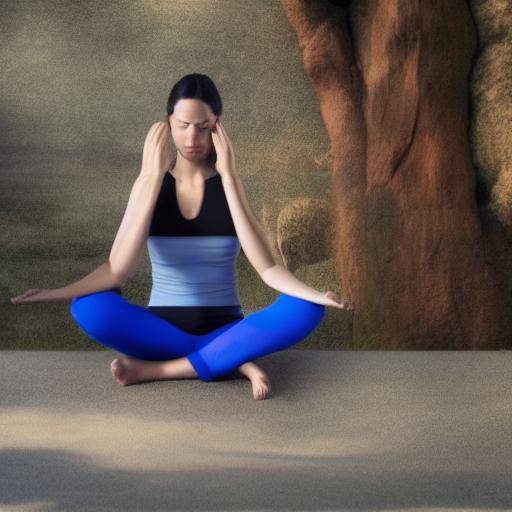
Meditation has been a powerful tool to improve emotional and mental well-being throughout history. Many people resort to meditation to find balance in their agitated lives and to achieve a state of inner calm. In this article, we will explore in detail the impact of meditation on emotional balance, from its history and evolution to its benefits, challenges, practical applications and future trends. We will also provide practical advice, expert opinions, case studies and future predictions.
History and Background
Meditation has been practiced for millennia in various cultures around the world. Its origins date back to the spiritual traditions of ancient Eastern civilizations, such as Buddhism and Hinduism. Over the centuries, meditation has evolved and adapted to different contexts, adopting variations in techniques and approaches. The spread of meditation to the West has contributed to its growing global popularity.
The history of meditation is full of significant milestones that have shaped its modern practice. From antiquity to present, there has been a constant interest in understanding its impact on the mind and body. Meditation has become seen as a therapeutic tool for stress management, anxiety, depression and other emotional difficulties, as well as a way to achieve self-consciousness and spiritual growth.
Detailed Analysis
Benefits of Meditation
The regular practice of meditation has shown a wide range of benefits for emotional balance and mental well-being. These include reducing stress, improving mental focus and clarity, regulating emotions, and strengthening emotional resilience. Meditation can also foster a sense of calm and inner peace, thus promoting a more positive attitude towards life.
Challenges and Challenges
While meditation offers many benefits, it also brings challenges. Many people find it difficult to maintain a regular meditation practice due to lack of time, distractions or mental resistance. In some cases, people may experience frustration at the beginning of their meditation practice by not experiencing immediate results. It is important to address these obstacles in a comprehensive manner to maximize the benefits of meditation.
Current trends
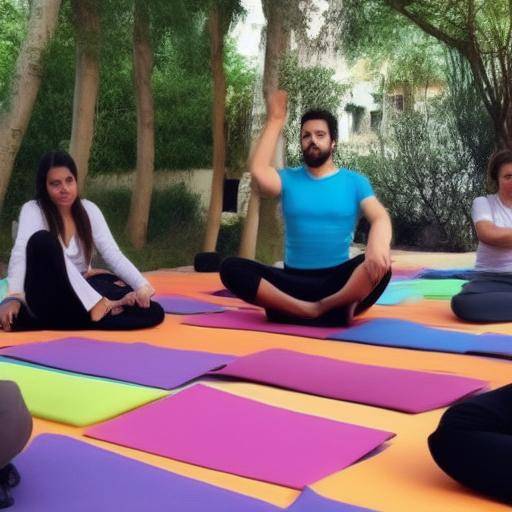
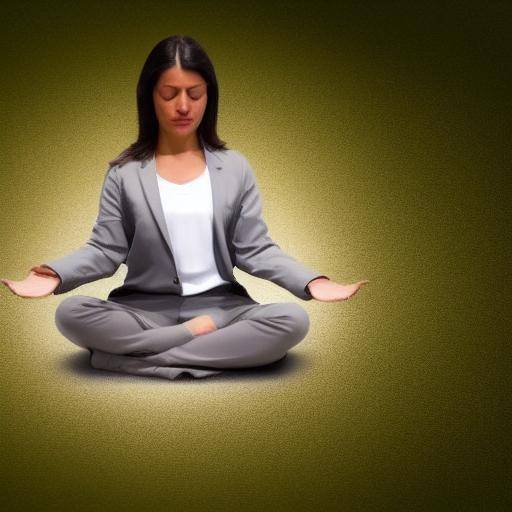
At present, meditation has gained greater acceptance in society. It has been incorporated into working environments, schools and clinical environments as a complementary tool to relieve stress and promote mental well-being. In addition, the development of meditation applications has facilitated access to guided meditation for a wide audience. Growing scientific research on the effects of meditation has supported its effectiveness and encouraged its integration into therapeutic approaches.
Comprehensive review
Practices of Meditation
Meditation has been implemented in a variety of contexts, from working stress management to the treatment of anxiety disorders. In addition, meditation has proven to be beneficial in improving concentration, decision-making and emotional management. Their applications also extend to the promotion of self-consciousness and personal development.
Outlook of Experts
Mental health and well-being experts have advocated the incorporation of meditation into self-care programmes and therapeutic approaches. Its ability to strengthen mental and emotional health has been recognized, as well as to complement other psychotherapeutic interventions. Meditation has become a valuable tool for self-care, prevention of relapse and promotion of emotional resilience.
Comparative analysis
By comparing meditation, emotional balance and mental well-being, it is important to emphasize that meditation is a practice that can significantly influence emotional balance and mental well-being. While emotional balance focuses on the ability to manage emotions in a healthy way, mental well-being encompasses a general state of satisfaction with life, including emotional, psychological and social aspects. Meditation can be an effective tool to promote both emotional balance and mental well-being by fostering emotional self-regulation and self-consciousness.
Practical Tips and Accessible Tips
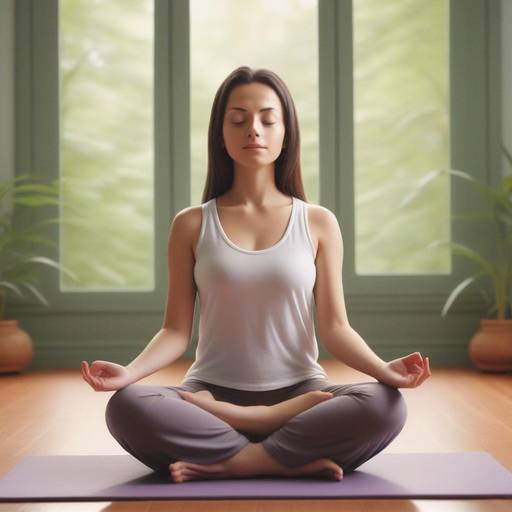
For those who wish to incorporate meditation into their daily lives, it is crucial to establish a consistent and sustained practice. Starting with short sessions and gradually increasing the time devoted to meditation can be beneficial in developing the necessary mental discipline. It is also advisable to explore different types of meditation, such as full attention meditation (mindfulness) or mantras meditation, to find the practice that best fits individual needs. Integrating meditation into the daily routine, either at the beginning or at the end of the day, can provide invaluable time for self-reflection and inner calm.
Ideas and Industry Reviews
Leaders in mental health and well-being have supported meditation as an effective strategy for stress management and the promotion of emotional balance. Their integration into corporate welfare programs and their adoption in educational settings have been supported by research that demonstrates their long-term beneficial effects. In addition, the value of meditation has been emphasized not only as an individual practice, but also as a tool of social cohesion, fostering empathy and compassion.
Case Studies and Practical Applications
The application of meditation in clinical, educational and business environments has been the subject of numerous case studies that highlight its transformative effects. From reducing stress levels to improving labour productivity and academic performance, meditation has proven to be a versatile tool with tangible benefits for individuals and organizations. These real cases have served as inspirational examples for the wider adoption of meditation on different aspects of society.
Future Trends and Predictions
Future trends indicate that meditation will remain a key practice in promoting emotional balance and mental well-being. The growing interest in comprehensive approaches to mental health and well-being has led to the inclusion of meditation in complementary therapies and self-care programmes. In addition, technology will continue to play an important role in making meditation more accessible through mobile applications and online platforms offering guided meditation and educational resources.
Conclusion
Meditation has a significant impact on emotional balance and mental well-being, enhancing self-discovery, emotional self-regulation and psychological resilience. With its long-standing history, its benefits backed by science and its growing acceptance in society, meditation will continue to be an essential tool for cultivating inner peace and peace of mind.
Frequently asked questions
What specific benefits can meditation bring to emotional balance?
Meditation can help reduce stress, improve emotional management, promote mental clarity and inner calm, and strengthen emotional resilience.
What are some recommendations to initiate a meditation practice?
It is advisable to begin with short meditation sessions, explore different types of meditation, such as full attention meditation (mindfulness) or mantras meditation, and establish a daily ritual for meditation practice.
Is meditation suitable for all?
Meditation can be beneficial for most people, but it is important to adapt practice to individual needs. Those with specific mental health conditions should consult a health professional before beginning meditation.
What is the recommended duration for a meditation session?
The duration of a meditation session may vary according to personal preferences, but it is recommended to start with short sessions from 5 to 10 minutes and gradually increase the time as the practice develops.
Is meditation just an individual practice, or can it also be integrated into social and labor environments?
Meditation can be both an individual and collective practice. Their integration into social and labour environments can foster cohesion, empathy and general well-being.
What role does meditation play in the management of labour stress?
Meditation can be an effective tool to reduce labor stress, improve concentration and decision-making, and promote a healthier organizational culture.
Does meditation require specific religious beliefs?
No, meditation can be practiced by people of different religious beliefs or even by those who do not have religious affiliation. Meditation focuses on the practice of training the mind to achieve calm and clarity.
In short, meditation has a positive impact on emotional balance and mental well-being, offering sustainable benefits for emotional and psychological health. Its regular practice can be a valuable tool to navigate the demands of modern life, promoting inner serenity and integral well-being.