Introduction
Today, the pursuit of emotional well-being and self-discipline has become a priority for many people. In this context, mindfulness has emerged as a powerful tool with a significant impact on the development of self-discipline. This article explores in detail the connection between mindfulness, self-discipline and emotional well-being, providing information, analysis, practical advice and future predictions on this subject.
History and Background
Mindfulness, also known as full attention, has its roots in millennial meditation and conscious care practices from Buddhism. Over the centuries, these practices have been adapted and evolved, finding their place in various cultures and belief systems around the world. In the 1970s, mindfulness began to gain recognition in Western medicine thanks to the pioneering work of Jon Kabat-Zinn, who developed the stress reduction program based on mindfulness (MBSR) at the University of Massachusetts.
Over time, the concept of mindfulness has become increasingly relevant in psychology, education, the business world and society at large. It has become an effective tool to manage stress, anxiety and improve mental health, among other benefits.
Detailed Analysis
Mindfulness has been associated with a series of tangible benefits in emotional well-being and the development of self-discipline. Numerous studies have shown that regular mindfulness practice can improve concentration capacity, reduce emotional reactivity, promote self-control and increase emotional resilience. Additionally, mindfulness has proven to be effective in managing addictions, eating disorders and anxiety disorders, which underlines its significant impact on promoting self-discipline.
Comprehensive review
The application of mindfulness goes beyond the personal domain. In the world of work, more and more companies are integrating mindfulness programs to help their employees manage stress, improve concentration and foster a more balanced working environment. This holistic approach not only benefits the emotional well-being of individuals, but also has a positive impact on their performance and productivity.
Comparative analysis
By comparing mindfulness with self-discipline, an inherent connection is revealed. While mindfulness emphasizes conscious attention at the present time, self-discipline implies control and regulation of one's actions and emotions. Both concepts are complemented significantly, as mindfulness practice can strengthen self-discipline capacity by increasing awareness and self-control.
Practical Tips and Accessible Tips
If you want to cultivate self-discipline through mindfulness, here are some practical tips to start:
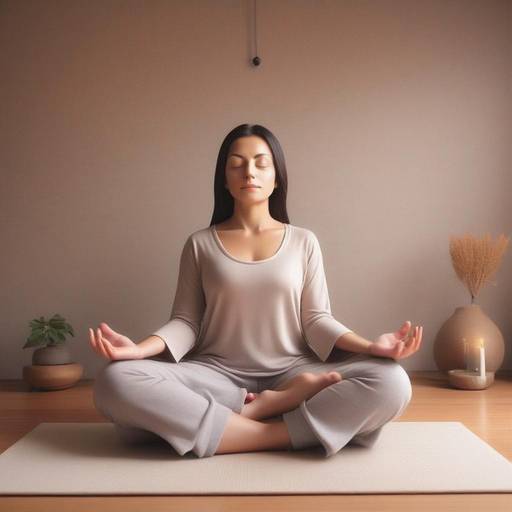
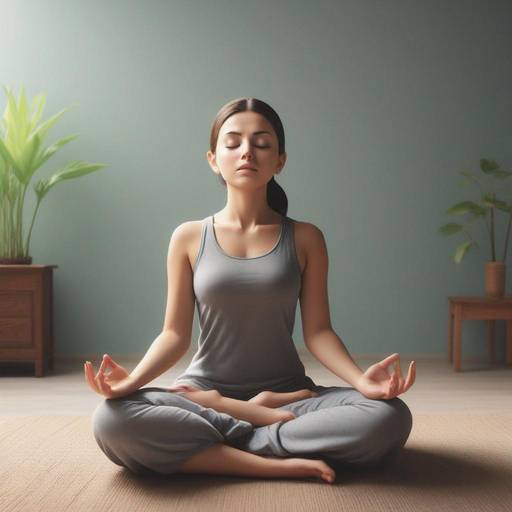
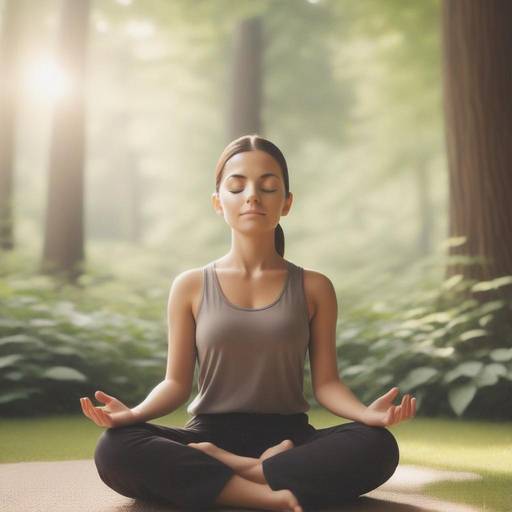
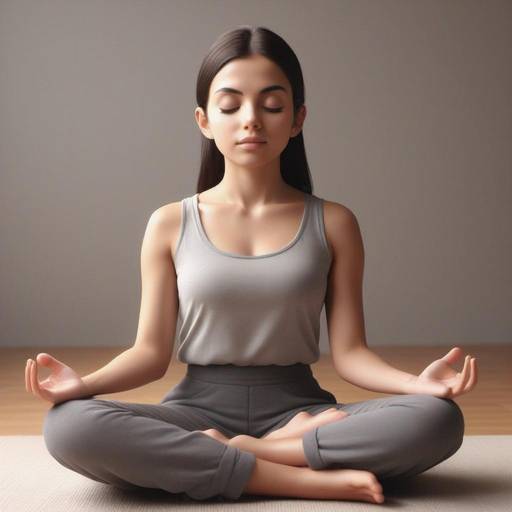
- Practice daily meditation: Dedicates a time each day to mindfulness meditation to train attention and strengthen the capacity of self-discipline.
- Watch your thoughts and emotions: Consciously observe your thoughts and emotions without judging them. This will help you develop greater self-consciousness and self-control.
- Establishes attainable goals: Defining realistic and achievable goals will help you work in your self-discipline progressively.
- Promote your emotional well-being: Emotional well-being is fundamental to strengthening self-discipline. Dedicate time to activities that give you joy and inner peace.
- Find support and guidance: Find a support group, a mentor or a mindfulness professional that provides guidance and support on your path to greater self-discipline.
Industrial Perspectives and Expert Reviews
Experts in psychology, leadership and well-being highlight the importance of mindfulness as a crucial tool for fostering self-discipline. According to psychologist Daniel Goleman, the practice of mindfulness can strengthen self-discipline by facilitating greater emotional and cognitive self-regulation, which in turn contributes to more conscious and controlled behavior.
Case Studies and Real Life Applications
An interesting case study is that of a company that implemented mindfulness programs for its employees. After implementation, there was a significant decline in labour stress, improvement in the working climate and increased productivity. This shows how mindfulness not only benefits individual emotional well-being, but can also have a positive impact on the workplace.
In the educational field, mindfulness programs are being carried out for students, who have shown promising results in terms of stress reduction, improvement in academic performance and classroom behavior.
Future Trends and Predictions
As the interest in mindfulness and self-discipline continues to grow, new research, programs and applications are expected to develop that will encourage their integration into different areas, including clinical psychology, personal development, labour and education. This trend reflects a shift towards a more holistic and conscious approach in promoting emotional well-being and self-discipline.
Conclusion
Mindfulness, self-discipline and emotional well-being are inherently related. The practice of mindfulness can be a powerful catalyst for the development of self-discipline, thus contributing to emotional well-being and personal growth. By integrating mindfulness into our daily lives, we can cultivate greater awareness, self-discipline and emotional balance, which in turn allows us to face the challenges with greater clarity and determination.
FAQs
1. What mindfulness approach is more effective in developing self-discipline?
The most effective approach can vary according to individual needs, but generally, the combination of full-care meditation, self-reflection practices and body-conscious exercises tends to be beneficial for the development of self-discipline.
2. What are the long-term benefits of integrating mindfulness into everyday life?
Integrating long-term mindfulness can lead to significant improvements in stress management, conscious decision-making and ability to face challenges with calm and clarity. Moreover, it can strengthen self-discipline and promote greater emotional stability.
3. Is mindfulness suitable for all people, regardless of their context or living conditions?
Yes, mindfulness is an accessible practice for most people, regardless of their age, gender or social environment. It can adapt to different contexts and living conditions, and has been proven beneficial for a wide range of people, from students to busy professionals and older people.
4. How does mindfulness affect the development of self-discipline in children?
The practice of mindfulness in children has been associated with greater ability to regulate emotions, concentrate on tasks and show more self-disciplined behaviors. These skills can lay the foundation for healthy personal development throughout life.
5. Is there any research that supports the connection between mindfulness and self-discipline?
Yes, numerous investigations have examined this connection and provided solid evidence of the positive influence of mindfulness in areas such as self-regulation, decision-making and stress management, which are key components of self-discipline.
6. What are the best practices to integrate mindfulness and self-discipline into the workplace?
Integrating mindfulness in the workplace can begin with the training of employees in mindfulness techniques, creating quiet spaces for meditation and promoting a culture of full awareness in decision-making and stress management. In addition, companies can foster self-discipline practices through clear definition of objectives, promotion of self-regulation and recognition of individual and collective achievements.
With this, it is concluded that mindfulness can be a powerful ally in the development of self-discipline, promoting an emotional balance and a greater ability to face the challenges with clarity and determination.
We hope that this article has provided you with a deeper understanding of the relationship between mindfulness, self-discipline and emotional well-being. If you want to explore more about this topic, we invite you to continue reading our related content.
Conclusion of the FAQs
We have addressed some of the most common questions about mindfulness, self-discipline and emotional well-being, providing a more complete understanding of these concepts and their relationship. If you have more questions or want to learn more about this topic, do not hesitate to look for guidance from professionals specializing in mindfulness and psychology.
This concludes our article on "The Impact of Mindfulness on the Development of Self-Discipline". We hope that this reading has been informative and enriching, and that it has provided you with the tools necessary to explore the transformative potential of mindfulness in your personal development and emotional well-being. Remember that the constant and conscious practice of mindfulness can be the way to a more balanced, self-disciplined and emotionally healthy life.