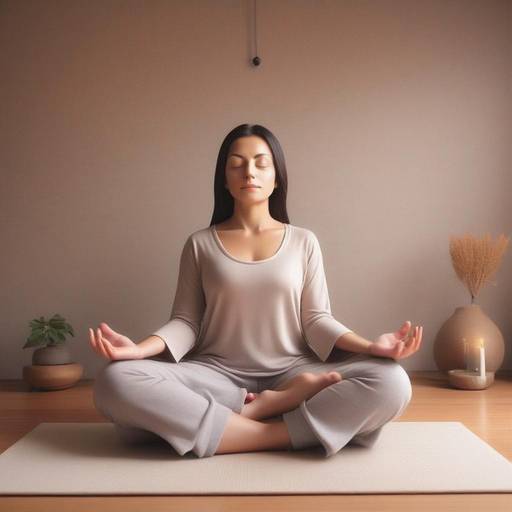
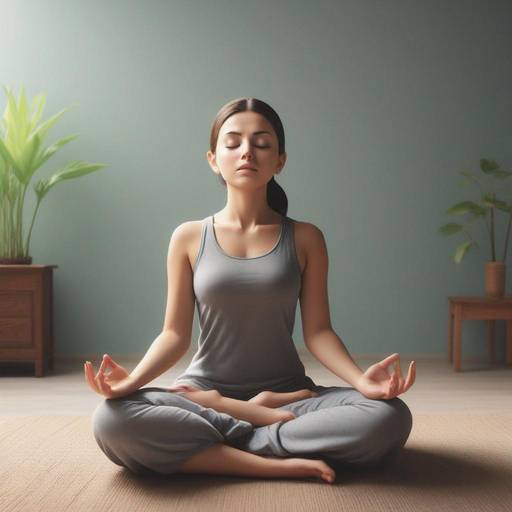
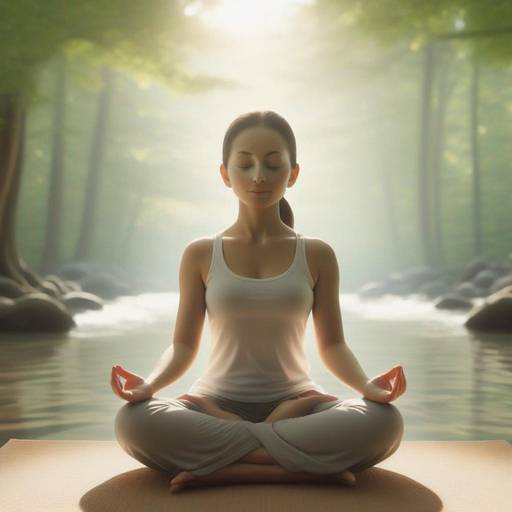
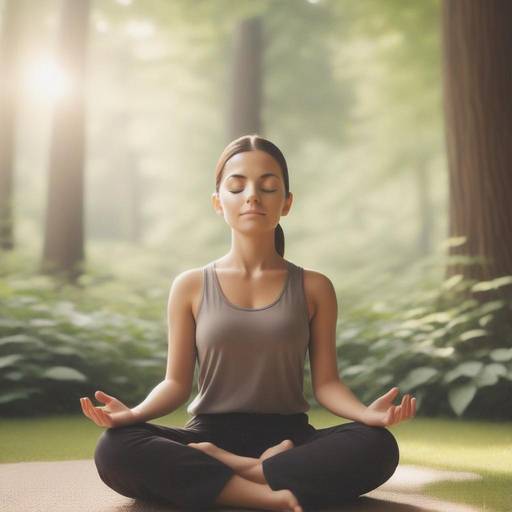
Human beings constantly seek to achieve greater emotional well-being, and mindfulness and the practice of gratitude have emerged as powerful tools on this path. In this article, we will explore in detail how mindfulness impacts the practice of gratitude and its fundamental role in emotional well-being. From history and context to practical applications, we will analyze multiple aspects, providing valuable data-supported information, case studies and expert opinions. Join us on this journey to understanding how mindfulness and gratitude can improve your emotional well-being!
History and Background
Origins of Mindfulness and Gratitude
The mindfulness, known as "full attention" in Spanish, has its roots in the ancestral practices of Buddhism and other oriental contemplative traditions. His introduction in the West dates back to the 1970s, when teachers such as Jon Kabat-Zinn popularized him as a secular technique, detached from his original religious context.
On the other hand, gratitude has been a present element in various philosophical and religious currents throughout history. From ancient Greece to the teachings of various spiritual currents, gratitude has been recognized as a fundamental pillar for happiness and emotional well-being.
Evolution of Mindfulness and Gratitude
Over the past few decades, mindfulness has experienced exponential growth in popularity, extending to areas such as psychology, medicine and business leadership. Scientific research has supported its benefits for mental and physical health, which has contributed to its global adoption.
For its part, gratitude has been the subject of numerous studies that have confirmed their positive effects on emotional health and interpersonal relationships. Its practice has been integrated into psychological therapies and welfare programmes, consolidating its importance in mental health care.
Detailed Analysis
Mindfulness, by training the ability to be present at the present time with acceptance and mental openness, promotes a receptive attitude towards experience, which in turn facilitates the practice of gratitude. By cultivating full awareness of positive experiences, the connection with gratified emotions is strengthened, encouraging gratitude as a mental and emotional state.
The link between mindfulness and gratitude has become an area of interest for researchers and mental health professionals. Current studies have shown that joint practice of both disciplines can have a significant impact on stress reduction, improvement of general well-being and strengthening interpersonal relationships.
Comprehensive review
Current Perspectives and Approaches
The growing interest in mindfulness and gratitude has led to the proliferation of approaches and techniques for their incorporation into everyday life. From specialized programs to mobile applications, accessibility to these practices has been expanded, promoting their adoption in various contexts, including work, educational and therapeutic environments.
Practical Applications
The application of mindfulness and gratitude encompasses a wide range of activities and techniques. From full-care meditation to the writing of gratitude journals, people have at their disposal various tools to cultivate these practices on a daily basis. These activities have been associated with significant improvements in mental health, emotional resilience and life satisfaction.
Practical Tips and Recommendations
To effectively integrate mindfulness and gratitude into everyday life, it is essential to have practical strategies and recommendations supported by research. Some of these strategies include establishing daily gratitude rituals, participating in guided meditation exercises and practicing self-compassion as a tool to cultivate gratitude. These approaches have proven to be effective in promoting emotional well-being and strengthening the capacity to address stressful situations.
Reflections and Insights of the Industry
Outlook of Experts
Professionals of psychology, medicine and personal development have expressed their enthusiasm for integrating mindfulness and gratitude into their practices. They have emphasized the importance of these tools as fundamental resources for the management of stress, anxiety and the promotion of a positive mentality.
Future Implications
As interest in mindfulness and gratitude continues to expand, its implementation is expected to be strengthened in areas such as education, the workplace and medical care. These practices are expected to find their space in comprehensive welfare programmes and personal development strategies.
Case Studies and Practical Applications
Real Examples
Many people have experienced significant transformations in their lives through the incorporation of mindfulness and gratitude into their daily routine. His testimonies highlight how these practices have been fundamental to overcome personal challenges and promote a sense of inner peace and harmony.
Lessons Learned
Through the review of specific cases, it is possible to identify successful patterns and strategies that can inspire others to embark on their own emotional well-being journey. The experiences of individuals who have overcome adversity through the practice of mindfulness and gratitude offer valuable lessons on resilience and self-empowerment.
Future Trends and Predictions
Emerging perspectives
The advance of technology and globalization has provided new platforms for the diffusion of mindfulness and gratitude, extending its reach to diverse audiences around the world. These practices have become accessible through online resources, virtual communities and digital welfare programs.
Future predictions
The integration of mindfulness and gratitude into working and academic environments is a prominent trend, backed by scientific evidence and success stories. Their adoption is expected to be strengthened, generating significant impacts on productivity, mental health and quality of life in general.
Conclusions and FAQs
Conclusions
Mindfulness and gratitude are not only individual practices, but also combined forces that can generate a synergistic effect on emotional well-being. By training the mind to be conscious and grateful, a powerful basis is built to meet the challenges of life with resilience and positivity.
Frequently asked questions
1. What is the difference between mindfulness and gratitude?
Mindfulness focuses on full awareness and acceptance of the present experience, while gratitude focuses on recognizing and appreciating the goodness of life.
2. What are the scientifically proven benefits of mindfulness and gratitude?
Both practices have proven to reduce stress, improve emotional well-being and strengthen resilience to difficulties.
3. How can I incorporate mindfulness and gratitude into my daily life?
You can start with simple activities such as full attention meditation, carry a daily of gratitude or practice loving kindness towards oneself and others.
4. Is mindfulness and gratitude right for all people?
Yes, these practices are beneficial to anyone seeking to improve their emotional well-being, regardless of their age, gender or circumstances.
5. How long has it been to see results when practicing mindfulness and gratitude?
Benefits can manifest gradually, but many people experience a sense of calm and well-being from the first weeks of consistent practice.
6. What are the recommendations for those who wish to deepen in elmindfulness and gratitude?
Exploring specialized literature, participating in courses or workshops and seeking guidance from a professional can be useful steps for those who want to deepen these practices.
In short, mindfulness and gratitude are powerful tools that, when combined, have the potential to transform everyday experience and promote greater emotional well-being. By practising full attention and cultivating gratitude, a solid foundation is established to address the challenges of life with serenity, appreciation and resilience.
With this article, we hope to have provided an integral and enriching view on the impact of mindfulness on the practice of gratitude, as well as its importance in emotional well-being. If you have more questions or wish to explore these topics in greater depth, we invite you to continue exploring and discovering the goodness of these powerful tools for mind and spirit care.