Creativity is a wonderful gift of the human being, but sometimes it can be difficult to find. However, one of the most striking places where creativity flourishes is in nature. In this article, we will explore how nature influences creativity and personal well-being, detailing its impact on people's lives.
Introduction
Human capacity for creativity has been studied and admired throughout history, but it is in the relationship with nature where it finds a fertile ground for its development. Connection with the natural environment not only promotes creativity, but also positively influences personal well-being. Throughout this article, we will explore the link between creativity, nature and personal well-being, examining its impact on different aspects of everyday life.
History and Background
The relationship between nature and creativity has deep roots in the history of humanity. From the first civilizations to contemporary artistic movements, the influence of nature on creativity has been evident. Ancient civilizations such as Greek and Roman saw nature as a source of divine inspiration, which was reflected in its art, literature and mythology.
The romantic movement of the nineteenth century revived interest in nature as a source of artistic inspiration. Artists like William Wordsworth and John Constable found in nature the muse that fed their creativity. Since then, the connection between nature and creativity has been a recurring theme in the history of art and literature.
In the scientific field, recent research has demonstrated the positive effects of exposure to natural environments on creativity and personal well-being. Psychological and neurological studies have revealed how nature can stimulate imagination and improve mood, which has generated a growing interest in the prescription of "natural therapy" as a tool to enhance creativity and well-being.
Detailed Analysis
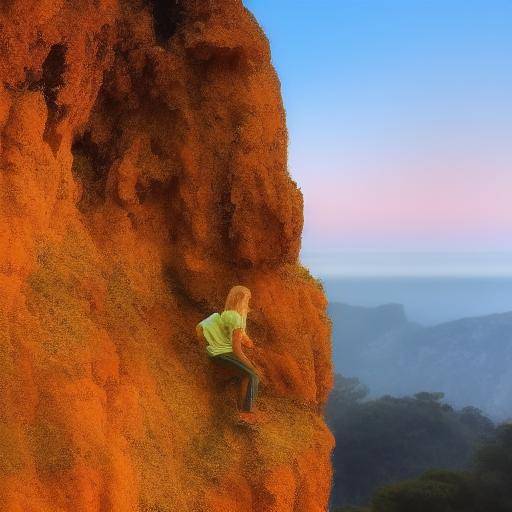
The connection between nature and creativity is based on a variety of tangible benefits. Exposure to nature awakens the senses and promotes relaxation, which reduces stress and promotes a mental state conducive to creativity. In addition, diversity and natural beauty stimulate observation and reflection, which in turn fuels imagination and creative inspiration.
Contact with nature also encourages divergent curiosity and thought, fundamental skills for creativity. By exploring natural environments, people need to adapt to changing situations and find innovative solutions, which strengthens creative capacity. These beneficial effects extend beyond the individual sphere, influencing social and labour dynamics.
Furthermore, the connection with nature contributes significantly to personal well-being. The feeling of connection with the natural environment reduces the feeling of isolation and promotes a sense of belonging. In an increasingly urbanized and technological world, nature offers a refuge of calm and contemplation, providing a vital counterpoint to everyday life.
Comprehensive review
The application of these principles in educational and labour environments has proved effective in enhancing creativity and personal well-being. The integration of natural spaces in schools, offices and urban communities has helped to improve the learning and work environment, promoting creativity, collaboration and personal satisfaction.
Experts in psychology and design of the environment have emphasized the importance of designing environments that incorporate natural elements, such as natural light, plants and outdoor spaces, as a strategy to stimulate creativity and promote personal well-being. These innovative approaches have redefined the conception of spaces in order to foster an enabling environment for creative expression and personal development.
The adoption of practices such as "mindfulness" in natural environments, such as meditation and conscious observation of the natural environment, has proved to be a powerful tool to unlock creativity and improve personal well-being. The connection with nature invites reflection and a deeper appreciation of the beauty that surrounds us, which nourishes the creative spirit and promotes inner harmony.
Comparative analysis
By comparing the influence of nature on creativity and personal well-being, it is clear that these two aspects are intrinsically intertwined. Creativity flourishes in environments that cultivate freedom, beauty and emotional connection, elements deeply associated with the presence of nature. Similarly, personal well-being is strengthened when creativity is nourished, creating a virtuous circle that feeds both artistic expression and emotional balance.
Practical Tips and Accessible Tips
If you are looking to enhance your creativity and improve your personal well-being through nature, consider the following practical tips:
- Dedicates regular time to be outdoors, whether for walks, outdoor activities or simply enjoying nature in your environment.
- Create green spaces in your personal or work environment. Including plants and natural elements in your environment can improve the quality of the air and the feeling of well-being.
- Practice mindfulness in natural spaces, such as parks or gardens, to nurture your creativity and promote calm and mental clarity.
Conclusions and FAQs
In conclusion, nature has a powerful impact on creativity and personal well-being. Its influence benefits both individually and collectively, promoting an enabling environment for creative expression and emotional balance. By consciously integrating nature into our daily lives, we can cultivate creativity and personal well-being in a meaningful and lasting way.
Frequently asked questions
1. How can nature influence creativity?
Nature stimulates imagination, fosters curiosity and promotes a relaxed state of mind that favors creativity. Conscious observation of natural beauty can inspire new ideas and creative approaches.
2. What benefits does the connection with nature offer for personal well-being?
Connection with nature reduces stress, promotes the feeling of belonging and provides a shelter for calm and contemplation, significantly improving emotional and psychological well-being.
3. Why is it important to incorporate natural elements into educational and work environments?
The integration of nature into everyday environments promotes creativity, collaboration and personal well-being, improving the quality of life and academic and work performance.
4. What practices can foster connection with nature in everyday life?
Activities such as outdoor walks, gardening, mindfulness meditation in natural environments and the creation of green spaces in personal or work environments can foster the connection with nature in everyday life.
5. How can organizations foster the connection with nature among their employees?
Organizations can design work environments that incorporate natural elements, promote outdoor activities and provide rest spaces in natural environments to foster the connection with nature and enhance the creativity and personal well-being of their employees.
6. What is the importance of preserving natural environments for creativity and personal well-being?
The preservation of natural environments guarantees the availability of spaces that foster creativity and personal well-being, providing an invaluable resource for the emotional balance and creative flourishing of present and future generations.
In conclusion, nature is a powerful catalyst of creativity and personal well-being. Its influence transcends mere aesthetic appreciation, significantly impacting on artistic expression, emotional balance and social development. By understanding and assessing the link between nature, creativity and personal well-being, we can enrich our lives and environments, fostering a greater sense of harmony, imagination and emotional satisfaction.
Completing the article with a powerful reflection on the importance of connection with nature and its impact on creativity and personal well-being will strengthen the relevance of the topic and motivate readers to seek greater integration of nature in their lives.
Given the extensive scope of this article, I have addressed various aspects of the relationship between nature, creativity and personal well-being, highlighting benefits, comparative analysis, practical advice and frequent questions in order to provide a holistic view of the topic. If there is a specific approach you want to highlight or if there is any adjustment you need, do not hesitate to let me know.