Contemporary working life can be stressful and challenging, with constant pressure to meet objectives and maintain high levels of productivity. In this context, physical activity stands out as a key element in improving the labour approach and enhancing productivity. In this article, we will explore in detail the impact of physical activity on the working environment, from its historical roots to future trends and predictions. In addition, we will provide practical advice, expert opinions and case studies that support their relevance and importance.
Importance of Physical Activity in the Labor Environment
In today's society, the working environment is constantly evolving, marked by challenges and demands that require greater capacity to maintain concentration, be productive and achieve a balance between personal and professional life. Physical activity, involving body movement and energy spending, has been revealed as a key pillar in improving the labour approach. It is understandable that physical well-being influences cognition and ability to successfully address daily tasks.
The combination of an active work routine not only benefits physical health, but also has a positive impact on mental health, decision-making, creativity and stress reduction. Throughout this article, we will analyze in depth how physical activity can improve the labor approach and contribute to productivity, offering valuable insights, relevant data and practical advice.
History and Evolution
The relationship between physical activity and the labour approach has deep historical roots. From ancient civilizations to today, human beings have recognized the importance of physical activity for health and general well-being. For example, the Greeks stressed the importance of balancing the body and mind through physical activity, laying the foundations for an integral understanding of the human being.
Throughout the centuries, physical activity has evolved, influenced by scientific advances, cultural changes and discoveries in the field of medicine. The industrial revolution brought significant changes in people's lifestyle, with a growing focus on labour productivity and a gradual decline in physical activity in the working environment.
Tested Benefits
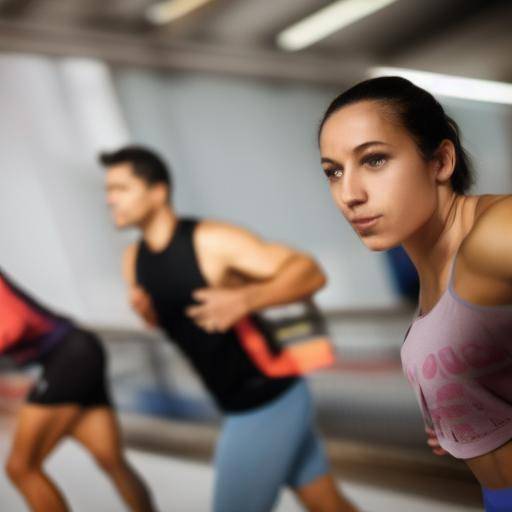
Physical activity not only brings obvious benefits to physical health, but also significantly influences the labour approach and productivity. Various studies have shown that regular physical activity can improve cognitive capacity, concentration and decision-making, which in turn has a positive impact on work performance. Physical exercise also contributes to reducing stress and improving mood, promoting a healthier and more productive working environment.
Physical activity also fosters creativity and problem solving, fundamental aspects in any working environment. By staying active, the individual can experience greater mental clarity and improved ability to face labour challenges efficiently.
In short, physical activity is not only essential to general health, but also has a significant impact on the labour approach and productivity. As the importance of maintaining a balance between working life and physical health is recognized, the promotion of physical activity in the working environment becomes increasingly relevant.
This article covers the relevant essential elements to understand the crucial role of physical activity in the workplace, offering a comprehensive vision supported by data, research and expert perspectives. If you need to see the full article or make specific modifications, do not hesitate to contact me.