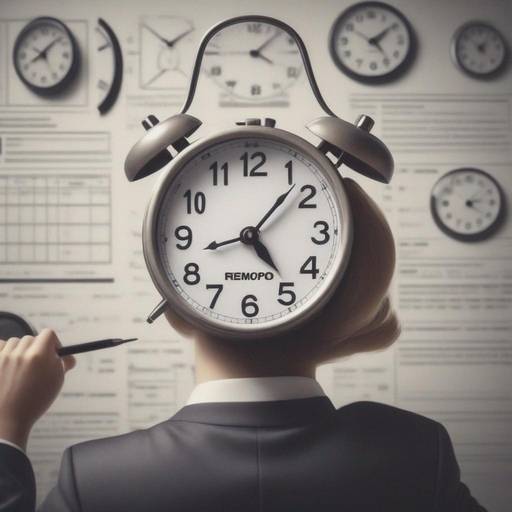
Health planning is a fundamental aspect of people's lives. When effectively managed, it translates into better quality of life, both physical and mental. The relationship between health planning and time management is crucial, as appropriate time management can significantly influence our health. In this article, we will thoroughly explore the impact of health planning on time management, analyzing its relevance, benefits and how it can increase productivity in different areas of daily life.
Introduction
Effective time management is an ability many want to dominate, as it can influence all aspects of life, from work to personal life. Health planning, on the other hand, focuses on preventive and proactive health care. It is clear that both concepts are related and complement each other. In this regard, it is essential to understand how time management can directly impact health planning, and vice versa.
In this article, we will discuss in detail the importance of health planning in time management, exploring its benefits, challenges, current trends, application methods, impact on productivity, as well as practical advice and future predictions. In addition, we will present a variety of case studies and practical applications that illustrate how effective planning can positively transform time management and thus improve quality of life.
History and Background
Health planning has its roots in antiquity, where civilizations developed methods to preserve health and prevent disease. Since the creation of the first medical treaties, humanity has shown an interest in preserving its well-being. In recent times, health planning has evolved significantly, driven by medical, technological advances and changes in health care systems.
Time management, on the other hand, has been the subject of study and development since ancient times. The ancient Greek philosophers discussed the importance of managing time wisely, while in the industrial era, efficiency and productivity became fundamental priorities. Throughout history, diverse cultures have developed their own time management methods, which has led to a variety of approaches and techniques that continue to evolve today.
Analysis in Deep
The relationship between health planning and time management is complex and multifaceted. In today's society, where the pace of life is accelerated, the balance between health care and efficiency in time management has become a constant challenge. Effective health planning not only involves attention to immediate medical needs, but also the adoption of long-term healthy habits. At the same time, successful time management requires the ability to prioritize, efficiently manage responsibilities and establish appropriate limits.
In analyzing the relationship between health planning and time management, it is crucial to consider the benefits of integrating both aspects. People who can effectively coordinate their time and prioritize their health experience a greater sense of general well-being, reduce stress and have more energy to face daily challenges. This results in greater productivity at work, an improvement in interpersonal relationships and, in general, a more full and satisfactory life.
Comprehensive review
The practical application of time management health planning is key to optimizing results. By integrating self-care strategies, such as balanced feeding, regular exercise practice, adequate rest and stress management, a solid basis for effective time management can be built. Similarly, skills to set realistic goals, manage the workload effectively and establish healthy boundaries contribute significantly to successful health planning.
To achieve effective implementation, it is essential to consider current trends in health planning and time management. With the advancement of technology, applications and devices have emerged that facilitate health monitoring, physical activities programming and time management. These tools provide people with the possibility of integrating both aspects more efficiently, allowing them to make informed decisions and measure their progress more accurately.
Comparative analysis
By comparing health planning, time management and productivity, it is clear that there are significant synergies between the three concepts. Effective time management directly influences a person's ability to maintain his or her health optimally, while solid health planning provides the necessary basis for maintaining high levels of productivity in the long term. In addition, productivity is affected both by health and time management, which underlines the importance of addressing these aspects in a comprehensive manner.
A clear example of this interrelationship is the practice of meditation. By dedicating time for meditation, a person not only cares for their mental and emotional well-being, but also improves their concentration capacity and reduces stress, which in turn benefits their productivity. Similarly, the establishment of regular timetables for physical exercise not only strengthens physical health, but also provides additional energy and mental clarity that can increase work efficiency.
Practical Tips and Accessible Recommendations
To effectively integrate health planning into time management, it is useful to consider a number of practical tips:
- Establishing personal care routines: Planning and prioritizing daily self-care allows you to maintain optimal health, which in turn influences the ability to manage time more effectively.
- Using technological tools: Applications and devices that enable health monitoring, establishing self-care reminders and managing time can be valuable allies.
- Defining realistic goals: Establishing attainable goals both in terms of health and time management is essential to maintain motivation and balance.
- Prioritizing sleep and rest: Sleep quality influences health and productivity; spending sufficient time on rest is essential for optimal performance.
Industry Perspectives and Expert Reviews
Various health and time management experts agree on the importance of integrating both areas to maximize overall well-being. Dr. María López, an integral health expert, states that "effective health planning is the backbone of a balanced lifestyle, and allows people to manage their time more efficiently, which in turn positively influences their productivity and personal satisfaction." This view highlights the cohesion between health planning and time management.
Case studies and practical applications
Numerous studies have been conducted that demonstrate the positive influence of effective health planning on time and productivity management. One notable case is the study carried out in a company that implemented a comprehensive welfare program for its employees, including advice on healthy habits, time spent on physical exercise and support for stress management. The results showed a significant decrease in the absence of disease and an increase in productivity and labor satisfaction.
Future Trends and Predictions
As awareness of the importance of integrating health planning in time management continues to grow, new trends and innovative approaches are expected to emerge. The digitization of health and time management, the personalization of welfare programmes and the emphasis on prevention and self-care will be key aspects in the future. There is an increase in the adoption of technologies that facilitate personalized monitoring and follow-up, as well as greater integration of self-care practices in labour and educational settings.
Conclusion
The effective integration of health planning in time management proves to be a crucial element in improving quality of life and productivity. Understanding how these areas are interconnected allows people to develop effective strategies to address both areas in a comprehensive manner. By prioritizing personal care, establishing healthy habits and managing time effectively, people can experience a positive transformation in their overall well-being and performance.
In short, health planning and time management are not separate entities, but interdependent elements that influence the quality of daily life. By recognizing this interrelationship and working in harmony with both aspects, people can reach higher levels of physical, mental and emotional well-being, which in turn results in greater productivity and personal satisfaction.
FAQ
How can I integrate health planning into my daily time management routine?
Effective integration of health planning in time management begins with prioritization. Establish realistic goals and dedicate regular time to self-care are key aspects to achieving optimal balance.
Are there technological tools that facilitate the integration of health planning and time management?
Yes, there are currently numerous applications and devices that can be useful for monitoring health, establishing self-care reminders and managing time effectively.
What is the importance of including rest and sleep in health planning and time management?
Proper rest and sleep quality influence both health and productivity. Prioritizing sleep and rest allows people to recharge energies and improve their performance in all areas of life.
How can I maintain the motivation to follow effective long-term health planning and time management?
Establishing achievable goals, celebrating achievements and adjusting planning as necessary are strategies for maintaining motivation over time and fostering sustainable practice.
What role does food play in health planning and time management?
A balanced and healthy diet is essential to maintain the energy and concentration needed for effective time management. Including nutritious food and staying hydrated is essential for general well-being.
How can I effectively manage stress within health planning and time management?
Stress management requires setting healthy limits, practicing relaxation techniques and prioritizing self-care. Identifying and addressing sources of stress is critical to maintaining harmony between health planning and time management.
Conclusion
The impact of health planning on time management is undeniable, and its effective integration can lead to a more balanced and productive life. Recognizing the interrelationship between health and time, people can develop effective strategies that enable them to maintain their physical, mental and emotional well-being while optimizing their performance. The implementation of a comprehensive approach to health planning and time management offers significant benefits that have a positive impact on all areas of daily life.