Continuous learning, coaching and personal development are fundamental elements in personal and professional growth. In this complete guide, we will explore the importance of coaching in continuous learning, its relationship with personal development and how these elements intertwine to enhance growth and success in different spheres of life.
Introduction:
Continuous learning is a vital process that drives human and professional development, allowing people to acquire new skills, knowledge and approaches throughout life. For its part, coaching facilitates this process by providing guidance, support and tools for people to reach their goals, discover their potential and optimise their performance. Personal development also encompasses the integral evolution of people, influencing their well-being, interpersonal relationships and achieving goals.
Throughout this article, we will explore the fundamental importance of coaching in continuous learning, examining how this collaborative and objective-oriented approach effectively integrates into personal development. In addition, we will analyse case studies, experts on the subject and emerging trends, to provide a comprehensive and up-to-date view on the subject.
Coaching History and Background:
Coaching as a modern practice has its roots in the philosophy of Socrates, who used questions to help his followers reflect and reach understanding about themselves. However, contemporary coaching has evolved from various disciplines, such as psychology, business consulting and personal development.
During the 20th century, coaching took shape as a specialized discipline, with the emergence of different currents such as executive coaching, life coaching and business coaching. Currently, coaching has become a crucial tool for individual and organizational development, with growing demand in various areas such as leadership, education and well-being.
The history of coaching is rich in significant milestones that have contributed to its evolution, from the foundation of the main coaching associations to the consolidation of professional and ethical standards that regulate the practice of coaching today.
Deep Analysis of Continuous Learning and Personal Development:
Continuous learning is not limited to the academic realm, but encompasses an active process of acquiring knowledge, skills and attitudes throughout life. Organizations that foster a culture of continuous learning benefit from more trained, adaptive and innovative teams.
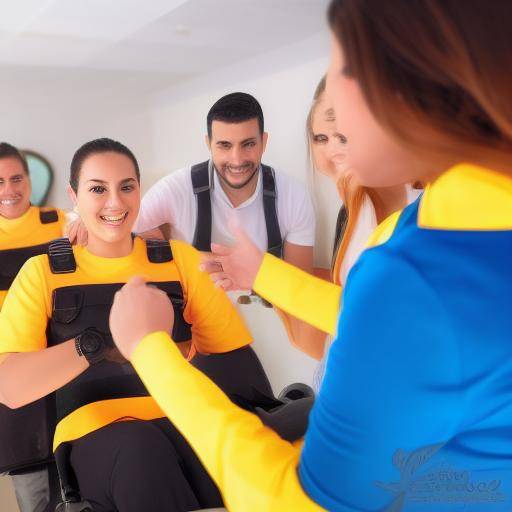
At the same time, personal development focuses on the integral growth of people, addressing emotional, cognitive, social and spiritual aspects. Coaching plays a key role in providing personalized support for skills development, goal identification and overcoming internal and external obstacles.
Comprehensive Review of Coaching Applications:
Coaching has demonstrated its effectiveness in a wide range of applications, from increasing job performance and personal satisfaction, to boost conflict resolution and leadership skills development. The coaching tools, such as active listening, the formulation of powerful questions and the establishment of realistic goals, have become key elements to enhance continuous learning.
Current studies highlight the positive impact of coaching on people's lives, both professionally and personally. The combination of coaching techniques with the focus on continuous learning has proven to be a catalyst for growth and sustainable success.
Comparative analysis:
Continuous learning, coaching and personal development share the basic premise that growth and improvement are continuous and dynamic processes. While continuing learning focuses on acquiring knowledge and skills, coaching provides the tools and momentum to put into practice what has been learned and overcome obstacles that may arise in the way. For its part, personal development encompasses both continuous learning and coaching, as it seeks integral well-being and self-realization.
By comparing these elements, there is synergy between continuous learning, coaching and personal development, highlighting their interdependence and ability to enhance the holistic growth of people.
Future Councils and Development Actions:
In order to effectively integrate coaching into continuous learning and personal development, it is essential to implement concrete practices that promote the realization of goals and personal growth. Some strategies include planning clear goals, seeking constructive feedback and adopting a proactive approach to challenges.
In addition, the establishment of habits of continuous learning, self-knowledge and strengthening emotional skills are fundamental to maximizing the benefits of coaching and personal development in the process of continuous learning.
Perceptions of the Industry and Opinions of Experts:
The opinions and views of experts in coaching, personal development and continuous learning are fundamental to understanding the relevance and impact of these disciplines today. Industry leaders provide a valuable insight into emerging trends, best practices and future opportunities that these disciplines offer for growth both individually and organizationally.
Case Studies and Practical Applications in Real Life:
Exploring cases of success and concrete examples of coaching's application in continuous learning and personal development allows the practical visualization of the impact of these disciplines on people's lives and on the working environment. These experiences provide valuable insights on how coaching has transformed the lives of individuals and organizations, generating significant results.
Future Trends and Predictions:
The disciplines of continuous learning, coaching and personal development are constantly evolving. Identifying emerging trends and anticipating the future path of these disciplines provides a strategic vision to guide decision-making at the personal and business levels. Analyzing how these disciplines are expected to evolve in the future provides a complete picture of the impact and transformative potential they possess.
FAQs
What is the importance of continuous learning?
Continuous learning is fundamental in personal and professional development, as it allows the constant acquisition of new skills, knowledge and perspectives, driving adaptability and competitiveness in a constantly changing global environment.
How does coaching contribute to continuous learning?
The coaching provides a space for reflection, support and personalized guidance that promotes the practical application of continuous learning, facilitating the identification of objectives and the approach of challenges to enhance growth and development.
How does personal development relate to coaching?
Personal development and coaching are closely linked, as coaching provides tools and techniques for personal growth, promoting awareness, self-discovery and overcoming self-imposed limits.
What are the current trends in the field of continuous learning?
Current trends in continuous learning include emphasis on online education, micro-learning, development of soft skills and customization of training to meet individual needs.
In what contexts does coaching apply effectively?
Coaching is effectively applied in professional, educational, personal and sports contexts, among others. Its adaptability and focus on the individual makes it relevant in various scenarios.
How can personal development impact work life?
Personal development has a significant impact on working life by strengthening resilience, stress management, communication and leadership skills, contributing to more effective and successful work performance, as well as creating healthier and productive working environments.
Conclusion:
In conclusion, continuous learning, coaching and personal development constitute fundamental pillars for growth and development in different aspects of life. The effective integration of these disciplines enhances individual empowerment, the realization of goals and the construction of a permanent growth mentality.
By understanding the importance of coaching in continuous learning and its relationship with personal development, people and organizations can take concrete steps to foster continuous, adaptive and sustainable growth in a changing world.
Through this in-depth and up-to-date analysis, we highlight the unquestionable relevance of these disciplines in the current scenario, as well as their projection to the future, opening new opportunities for integral development and personal and professional realization.
With the commitment to continuing to learn and grow constantly, coaching, continuous learning and personal development are profiled as essential pillars for achieving success and well-being in everyday life and in working and educational environments.
With this complete guide on the importance of coaching in continuous learning, a detailed, up-to-date and valuable insight into this transcendental theme is provided.