Flexibility is a physical quality that refers to the range of movement of a joint. Often, when talking about exercise and physical health, the relevance of including exercises of flexibility in the routine is underestimated. However, their benefits go beyond physical health, positively impacting on mental health and general well-being. In this article, we will explore in detail the importance of flexibility in the exercise routine for mental health, its current benefits, challenges and trends.
History and Background
The importance of flexibility in physical and mental health goes back to ancient civilizations, where practices such as yoga and tai chi focused on the combination of movement and breathing to promote both physical and mental health. Over time, these practices have merged with knowledge of anatomy and physiology, which has contributed to the deeper understanding of the benefits of health flexibility.
Including exercises of flexibility in physical routine not only improves the range of movement of joints, but also reduces muscle tension, improves posture and prevents injuries. These physical benefits in turn have a positive impact on mental health by contributing to stress reduction, anxiety and the promotion of relaxation.
Analysis in Deep
A study published in the Journal of Physical Therapy Science revealed that including exercises of flexibility in exercise routine, particularly those focusing on stretching, had a significant impact on reducing stress and anxiety in young adults.
This result is not surprising if we consider flexibility exercises to lead to greater body consciousness and present a deep breathing approach, both fundamental elements in mindfulness and meditation practices that are recognized for their positive impact on mental health.
Comprehensive review
In deepening the importance of flexibility in the exercise routine for mental health, it is vital to consider that it is not only about making movements that increase the articular amplitude, but to adopt a more open and adaptable mentality, directly proportional to mental flexibility.
Various studies have demonstrated the relationship between mental stiffness and stress, as well as the relationship between mental flexibility and emotional resilience. Thus, flexibility in exercise routine is not only translated into reaching a higher range of motion in the body, but also in fostering a more open and adaptable mind.
Comparative analysis
By comparing the interaction between physical flexibility and mental health, it is crucial to analyze how they complement each other. A recent study by the University of Medicine and Sport Science of China concluded that there is a significant relationship between the regular practice of flexibility exercises and the reduction of anxiety, depression and increased psychological well-being.
These results show that flexibility, both physical and mental, is a fundamental pillar in comprehensive health care. The combination of regular practice of flexibility exercises along with mindfulness techniques can bring significant benefits to general health and emotional well-being.
Practical Tips and Recommendations
If you are looking to take advantage of the benefits of flexibility in exercise routine to promote mental health, consider the following:
- It incorporates stretch and flexibility exercises at least twice a week.
- It combines flexibility exercises with relaxation and deep breathing techniques.
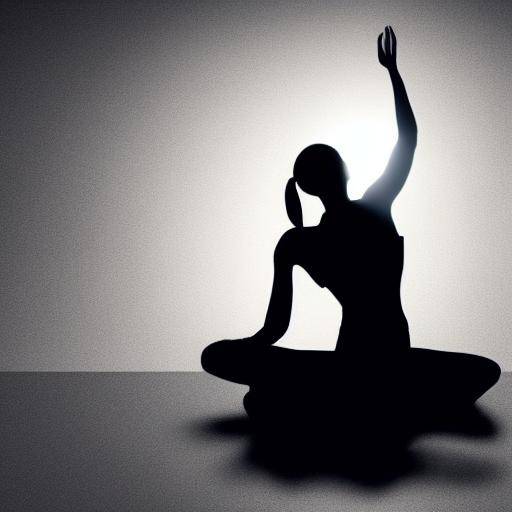
- Explore practices such as yoga, tai chi or pilates that integrate flexibility exercises with focus on body consciousness and relaxation.
Conclusion " FAQ
In short, flexibility is not only crucial to physical health, but plays a significant role in promoting mental health and overall well-being. Alinclude exercises of flexibility in your exercise routine, you will be helping to reduce stress, anxiety and develop a more open and adaptable mind. Remember that caring for your comprehensive health is essential for a full and balanced life.
FAQs
What is the relationship between flexibility and mental health?
The relationship between physical flexibility and mental health lies in the ability of flexibility to reduce stress, anxiety and promote relaxation, thus contributing to emotional well-being.
What flexibility exercises are recommended to improve mental health?
Exercises such as yoga, tai chi, stretching and pilates are highly recommended, as they combine movements that increase joint amplitude with focus on body consciousness and relaxation.
How often should I exercise flexibility to notice improvements in my mental health?
Flexibility exercises are recommended at least twice a week for significant benefits in mental health and general well-being.
Is mental flexibility and physical flexibility related?
Yes, there is a significant relationship between mental flexibility and physical flexibility, as both contribute to a more open, adaptable and resilient mind, which in turn promotes mental health.
How can flexibility exercises help reduce anxiety and depression?
Flexibility exercises, by fostering greater body consciousness, relaxation and deep breathing, help reduce levels of anxiety and depression, thus promoting emotional well-being.
Are there studies that support the relationship between flexibility and mental health?
Yes, a number of scientific studies have shown a significant relationship between the regular practice of flexibility exercises and the reduction of anxiety, depression and increased psychological well-being.
In short, flexibility in exercise routine not only brings benefits to physical health, but plays a key role in promoting mental health and overall well-being. By including exercises of flexibility, you will not only be caring for your body, but also your mind, thus promoting a balanced and full life.
Conclusion:
In addition to physical benefits, flexibility is an essential piece in the mental health puzzle. By including flexibility exercises in your routine, you will be making a significant contribution to your overall well-being. Keeping a flexible mind and body is fundamental for a balanced and full life.