Personal relationships are an essential part of our lives. From our interactions with friends and family to our working relationships, the way we connect with others can have a significant impact on our emotional well-being. In this article, we will explore the importance of gratitude in personal relationships and how it can influence our emotional well-being. We will discover its historical evolution, current benefits, challenges, practical applications, industry prospects and future predictions. Throughout this journey, we will learn how gratitude can strengthen our personal relationships and contribute to our emotional well-being.
History and Background
Gratitude has been valued throughout history in various cultures and traditions. From philosophy to religion, gratitude has been regarded as a fundamental virtue. In ancient Greece, gratitude was related to the virtue of "charis", which implied reciprocity and gratitude. In the religious context, many spiritual traditions emphasize the importance of gratitude as an expression of humility and recognition of the good in our lives.
The revelation of scientific research has supported the importance of gratitude in our lives, demonstrating its positive effects on emotional well-being and personal relationships. Current studies suggest that regular practice of gratitude can help reduce stress, increase personal satisfaction and strengthen social ties.
Deep Analysis: Current Benefits, Challenges and Trends
Gratitude can make a significant impact on our personal relationships by promoting feelings of appreciation and connection. By expressing gratitude to others, we not only recognize their contribution to our lives, but also strengthen the emotional bond we share. In addition, the practice of gratitude can cultivate a positive emotional environment, which in turn can contribute to healthier and more balanced relationships.
Despite its benefits, gratitude can present challenges in the context of personal relationships. In some situations, expressing gratitude can be perceived as a sample of vulnerability or dependence, which can generate resistance by some people. In addition, genuine gratitude requires a deep understanding of the importance of emotional connection and may be difficult to cultivate in environments where individuality or competition prevails.
Current trends in positive psychology and emotional well-being have highlighted the importance of gratitude as a tool for strengthening personal relationships. More and more mental health professionals and interpersonal relationships experts promote the deliberate practice of gratitude as a way of fostering greater emotional connection and well-being.
Comprehensive Review: Applications, Case Studies and Best Practices
Gratitude can be manifested in multiple ways in our personal relationships, from simple gestures such as expressing verbal gratitude, to more significant actions such as demonstrating unconditional support in difficult times. The adoption of a conscious approach to gratitude can transform the dynamics of our relationships, nurture mutual trust, promote empathy and strengthen emotional connection.
Case studies in working environments have shown that genuine expression of gratitude can foster a positive working climate, promoting collaboration and job satisfaction. In the family sphere, gratitude can serve as an emotional bridge that unites family members through mutual appreciation and recognition of each individual's contributions.
Best practices to cultivate gratitude in personal relationships include the habit of expressing gratitude on a regular and specific basis, recognizing concrete actions that have positively impacted our lives. In addition, active listening and empathy can enrich our understanding of others' motives of gratitude, fostering a more authentic and meaningful connection.
Comparative analysis
By comparing gratitude, personal relationships and emotional well-being, we can identify their interconnections and their mutual influence. Gratitude, as a positive emotional attitude, acts as a catalyst that strengthens personal relationships by fostering feelings of appreciation and reciprocity. In turn, sound and healthy personal relationships can significantly contribute to our emotional well-being by providing an essential support system and a sense of belonging.
On the other hand, emotional well-being can influence our ability to feel and express gratitude. Emotionally balanced and conscious people tend to experience greater willingness to recognize and value the contributions of others, which can enrich personal relationships and strengthen emotional ties.
In practice, the combination of conscious gratitude, solid personal relationships and strong emotional well-being can generate a synergistic effect that significantly improves our quality of life. By being grateful for the meaningful relationships we cultivate, we nurture a sense of belonging and connection that in turn strengthens our emotional health and our general well-being.
Practical Tips and Accessible Recommendations
To foster gratitude in our personal relationships and promote emotional well-being, it is essential to adopt conscious practices and behaviors. Some practical recommendations include:
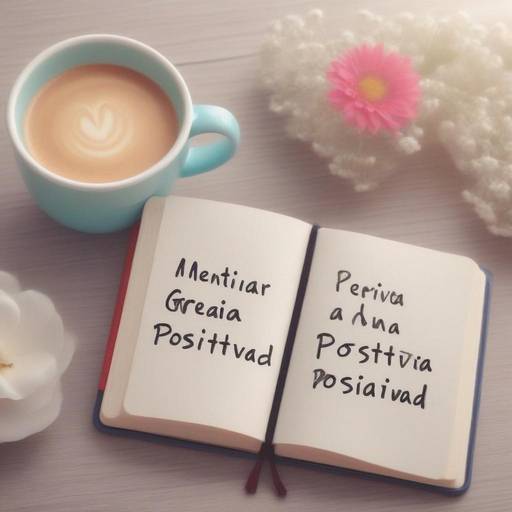
- Keep a diary of gratitude: Recording that for what we are grateful can help us focus on the positive and cultivate a culture of appreciation.
- Express gratitude actively: Finding opportunities to express our gratitude to others, either through words, gestures or concrete actions, can strengthen our emotional ties.
- Promote empathy: Practicing active listening and showing empathy towards the experiences and emotions of others can enrich our personal relationships and promote greater emotional well-being.
- Cultivate meaningful relationships: Focusing on building and maintaining meaningful and authentic personal relationships can act as an emotional damper and promote greater overall well-being.
- Find support when necessary: Recognizing the importance of seeking emotional support and establishing meaningful connections at times of need can strengthen our emotional resilience and well-being.
Industry Perspectives and Expert Reviews
From the perspective of psychology and mental health, experts agree that gratitude plays a crucial role in promoting healthy relationships and promoting emotional well-being. Therapeutic approaches such as cognitive-behavioral therapy integrate techniques based on the practice of gratitude as part of their arsenal to improve the emotional health of individuals.
Experts on interpersonal relationships and personal development highlight the importance of gratitude as a key factor in promoting sound and meaningful relationships. They also emphasize the need to cultivate a culture of gratitude as a powerful tool to promote general well-being.
Case Studies and Practical Applications in Real Life
The concrete impact of gratitude on personal relationships and emotional well-being is reflected in numerous case studies and examples of real life. From family environments to working environments, the practice of gratitude has shown significant results, promoting healthier relationships, a sense of belonging and greater emotional satisfaction.
Case studies at work have highlighted how the expression of gratitude on the part of business leaders can strengthen the loyalty and commitment of employees, promoting a more positive and productive working environment. On the other hand, in family environments, the practice of gratitude can serve as an emotional bridge that strengthens ties between family members, fostering a climate of mutual appreciation and generating greater emotional well-being for all those involved.
Future Trends and Predictions
As awareness of the importance of gratitude, personal relationships and emotional well-being continues to grow, new trends and innovative approaches are expected to emerge in these areas. The integration of gratitude into professional, educational and clinical environments is expected to increase, recognizing its positive impact on work performance, academic learning and emotional health.
In the area of positive psychology and therapy, it is anticipated that the incorporation of techniques based on gratitude will remain a prominent trend, with an increasing focus on its practical application to promote healthy interpersonal relationships and emotional well-being.
Digitalization and social networks are expected to influence the expression and promotion of gratitude, providing platforms for sharing experiences of gratitude and strengthening emotional connection through virtual media.
Conclusions
In short, gratitude plays a key role in building and maintaining meaningful personal relationships, as well as in promoting emotional well-being. By cultivating a mentality of gratitude and expressing appreciation for the personal connections that nourish our lives, we can strengthen our emotional ties and promote a greater sense of well-being.
Through conscious practice of gratitude, we can positively influence our personal relationships, promote greater emotional well-being and contribute to a more positive and balanced emotional environment in our environment, whether in the family, social or labour spheres. Gratitude, when embraced as a form of life, can be a powerful force for good in our lives and in the lives of others.
Frequently asked questions
How can I practice gratitude in my daily life?
The practice of gratitude can take various forms, from keeping a daily of thanks to expressing intentionally gratitude to the people around us. We can also cultivate gratitude through conscious observation of positive things in our lives and reflection on the significant contributions of others.
What is the impact of gratitude on personal relationships?
The practice of gratitude can strengthen personal relationships by fostering feelings of mutual appreciation, generating a greater sense of emotional connection and promoting a climate of trust and reciprocity. The expression of gratitude can enrich our interactions with others and nurture healthier and more meaningful relationships.
Why is gratitude important for our emotional well-being?
Gratitude is closely linked to emotional well-being, as it promotes a positive mentality and contributes to the generation of healthy emotions such as joy, satisfaction and serenity. By practicing gratitude, we can cultivate a greater emotional balance and promote greater well-being in our lives.
How can I encourage gratitude in my personal relationships?
To encourage gratitude in our personal relationships, we can cultivate an environment where the expression of appreciation and appreciation is valued and encouraged. Showing empathy and actively listening to others can also promote a climate of mutual appreciation that strengthens our relationships.
Can gratitude influence conflict resolution in personal relationships?
The practice of gratitude can play a positive role in conflict resolution by fostering a focus on the positive contributions of others, promoting mutual understanding and strengthening the willingness to seek collaborative solutions. The expression of gratitude can reduce tensions and promote an atmosphere of conciliation.
Is gratitude a universally valued virtue in different cultures and social contexts?
Yes, gratitude has been valued in various cultures and social contexts throughout history, manifesting itself through expressions and rituals that reflect recognition and appreciation for the kindness received. From religious practices to social customs, gratitude has been a common link that unites people in acts of mutual recognition and appreciation for the contributions of others.
Conclusion
Gratitude is much more than a passing feeling; it is a powerful force that can enrich our lives and strengthen our personal relationships. By consciously practicing gratitude, we can promote emotional connection, cultivate healthy relationships and foster greater emotional well-being in our lives. The expression of gratitude not only benefits those who receive it, but also enriches the lives of those who express it, creating a positive cycle of emotional connection and mutual appreciation. In a world where personal relationships are fundamental to our emotional well-being, gratitude emerges as a powerful bond that unites people and promotes greater emotional balance.
With a deeper understanding of the importance of gratitude in our lives and personal relationships, we can focus on cultivating a renewed sense of appreciation and connection, promoting greater emotional well-being not only for ourselves, but also for those around us.