The current world pushes us to keep a pace of accelerated life, where work, responsibilities and personal goals occupy most of our time. In the midst of this voragine, finding time for physical exercise becomes a constant challenge. However, as important as exercise itself is proper rest and recovery, fundamental aspects that we often overlook. In this article, we will explore in depth the importance of rest and recovery in an exercise routine, as well as its impact on physical and mental well-being. Learn how these factors can significantly improve your physical performance and ensure a healthier life.
History and Background
The concept of rest and recovery in the field of physical exercise has its roots in the old training practices of athletes and warriors. From the Olympic Games of ancient Greece to the regeneration techniques used by Eastern cultures, the value of allowing the body to recover has been recognized throughout history. Over time, the science of physical training has evolved, revealing the physiological mechanisms behind rest and recovery, which has led to a deeper understanding of its importance.
Analysis in Deep
The importance of rest and recovery lies in its ability to restore body resources, including nervous system, muscles and energy reserves. These processes not only promote the prevention of injuries, but are also fundamental to muscle growth, resistance and overall performance. In addition, sleep quality and stress management are essential components of this balance, as they directly impact the body's ability to recover.
Comprehensive review
In practice, the correct management of rest and recovery varies according to the type of exercise and the level of intensity. Strategies such as active rest, which involves smooth exercises to promote blood circulation, and the inclusion of full rest days in the routine are fundamental to avoid overtraining. Nutrition also plays a crucial role in recovery, as nutrient-rich foods contribute to tissue repair and cellular rejuvenation.
Comparative analysis
It is important to differentiate between rest, which refers to time of physical inactivity, and recovery, which includes specific actions to accelerate the restoration of the body. Both aspects, however, are interconnected and indispensable to maintain an optimal balance in muscle development and resistance. Together, they contribute significantly to the physical and mental well-being of people who practice exercise.
Practical Tips and Accessible Recommendations
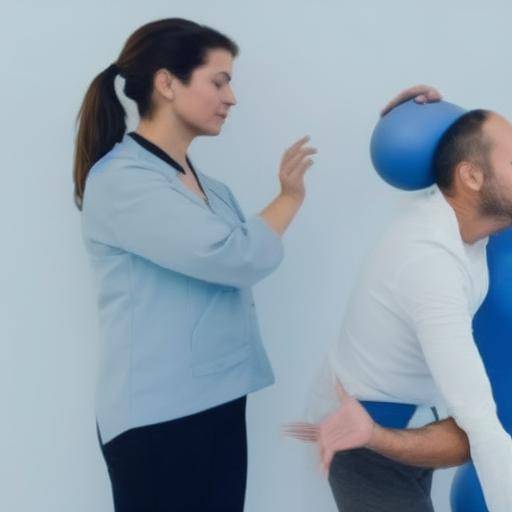
When planning an exercise routine, it is crucial to include adequate rest periods, as well as recovery techniques such as stretching, massage or use of compression devices. Ensuring enough sleep and maintaining healthy eating habits are also fundamental.
Industry Perspectives and Expert Reviews
Experts in exercise physiology emphasize that rest and recovery are non-negotiable elements in any effective training program. Lack of attention to these aspects can lead to injury, chronic fatigue and a decrease in physical performance. On the other hand, those who consciously integrate rest and recovery into their routines experience greater progress and overall well-being.
Case Studies and Real Life Applications
Determining the best recovery strategy depends to a large extent on the type of exercise, the level of physical condition and personal objectives. High performance athletes, such as long-distance corridors, elite weight lifters and athletes, have shown that the implementation of structured recovery programs can make the difference in their performance and the prevention of injuries.
Future Trends and Predictions
As the science of exercise continues to advance, new technologies and methods are expected to emerge to optimize rest and recovery. Personalization of recovery strategies, based on individual genetics and physiological measurements, is a trend that promises to revolutionize the way we address our physical health.
Conclusion
In short, rest and recovery are essential elements in any effective exercise program. By understanding the importance of allowing the body to recover properly, we can achieve higher levels of physical performance, minimize the risk of injury and optimize our overall health.
Frequently asked questions
Is it necessary to rest after exercise?
Absolutely. The right rest is crucial to allow muscles to repair and strengthen. Lack of rest can lead to overtraining and increase the risk of injury.
How much rest time is recommended between training sessions?
Rest time varies according to the intensity of the exercise and individual capacity. As a general rule, it is recommended at least 48 hours of rest for the same muscle groups before returning to work.
Are there differences in recovery methods for different types of exercise?
Yes, recovery can vary depending on the type of exercise. For example, resistance exercises such as running or swimming may require increased attention to hydration and nutrition, while lifting weights may need focus on muscle recovery.
How does rest influence the mental and emotional state?
The right rest not only benefits the body, but is also fundamental to maintaining mental and emotional health. Chronic fatigue can affect mood, concentration and motivation.
What role does nutrition play in the recovery process?
Nutrition plays a vital role in recovery, providing the body with the necessary nutrients to repair muscle tissues and restore energy reserves. Consuming foods rich in proteins, carbohydrates and antioxidants is essential.
What are some signs that we are not allowing enough time for recovery?
Persistent fatigue, increased heart rate at rest, deteriorated physical performance and increased propensity to injuries may indicate that insufficient time is being allowed for recovery.
In conclusion, rest and recovery in a workout routine are essential to optimize physical performance, prevent injuries and promote overall well-being. By integrating specific rest and recovery strategies, we can maximize the benefits of exercise and lead a healthier and more balanced life.