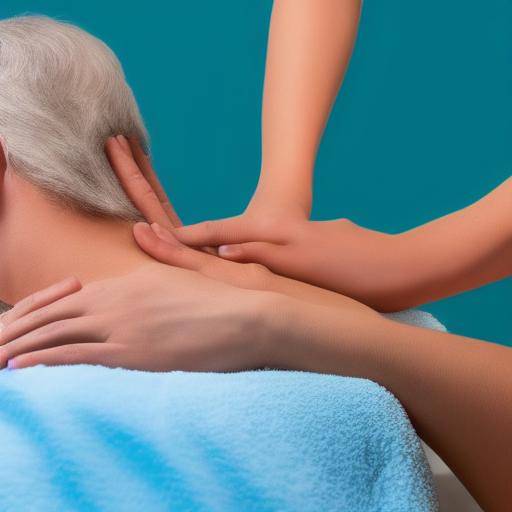
Self-care, in the context of personal leadership and emotional well-being, is a topic of great relevance today. As the labour and social world evolves, the importance of cultivating healthy habits and fostering personal growth becomes increasingly evident. In this article, we will explore in depth the relationship between self-care and the development of leadership skills, as well as their impact on personal well-being. From its historical origin to future trends, we will offer comprehensive analysis, practical advice, expert opinions and case studies to understand how self-care can enhance personal leadership and well-being. Join us on this journey to discover the keys to achieving effective leadership through self-care.
Introduction
Self-care, translated into English as self-care, has become a fundamental concept in the search for balance between body, mind and spirit. In the context of leadership, it implies the ability to meet and meet our primary needs, which in turn directly influences our ability to lead others.
Origin of Self-Quality
The concept of self-care has profound historical roots, being explored and practiced in various forms throughout the centuries. From ancient Eastern philosophies to personal care practices in Western cultures, self-care has played a crucial role in the pursuit of internal harmony and well-being. These traditions have laid the foundation for understanding the importance of self-care today.
Importance in the Development of Leadership Skills
Self-care is not only vital to personal well-being, but also directly influences the development of effective leadership skills. A leader who lacks self-care can face difficulties in managing his emotions, making informed decisions and maintaining a balance between his personal and professional life. Self-care strengthens resilience, self-consciousness and empathy, essential qualities in any leader.
How does it influence Personal Welfare?
Self-care, in meeting physical, mental and emotional needs, contributes significantly to personal well-being. It provides tools to manage stress, promotes self-acceptance and promotes a positive approach to life. The benefits of self-care are reflected in the quality of life, interpersonal relationships and the ability to face challenges constructively.
Importance of Self-care in the Development of Leadership Skills
The development of leadership skills requires a holistic approach that encompasses both emotional and practical aspects. In this context, self-care is presented as a fundamental pillar of personal leadership. Then we will explore in detail the influence of self-care in the development of leadership skills and their impact on personal well-being.
Self-care and Effective Leadership
A leader who practices self-care demonstrates greater ability to manage stress, make decisions clearly and develop empathic relationships with his team. Self-consciousness and emotional self-management, essential elements of self-care, translate into greater ability to effectively lead, inspiring and motivating others to achieve common goals.
Resilience and Self-care
Resilience, the ability to recover and adapt to adversity, is fundamental in leadership. Self-care strengthens this ability by providing tools to face challenging situations constructively. A leader who prioritises self-care is able to maintain serenity and mental clarity, inspiring trust and security on his team.
Balance between Personal and Professional Life
Effective leadership requires a balance between personal and professional life. Self-care promotes time management, the establishment of healthy limits and the prioritization of individual needs, which in turn facilitates the ability of the leader to provide a positive example of balance and well-being to his team.
Authenticity and empathy
Self-care promotes self-connection and authenticity, crucial qualities in leadership. A leader who takes care of himself can better understand the needs and perspectives of his team, which translates into a greater capacity to generate empathy, understanding and mutual support.
Self-Quality Strategies for Leaders
The incorporation of routines and self-care practices in the daily life of a leader can make the difference in their effectiveness and well-being. From physical exercise to meditation, time management and digital disconnection, there are numerous self-care strategies that can benefit the development of leadership skills.
Relationship between Self-care, Personal Leadership and Welfare
The relationship between self-care, personal leadership and well-being is intrinsic and lays the foundation for a balanced and effective life. By recognizing and addressing individual needs, the path for authentic and empathic leadership, as well as for comprehensive well-being, is paved.
Similarities and Variances
Reviewing the similarities and differences between self-care, personal leadership and personal well-being allows us to understand how these concepts are intertwined and complemented. While self-care focuses on individual care, personal leadership focuses on influencing others, and personal well-being encompasses both physical and mental and emotional health.
Sinergies and Mutual Benefits
The practice of self-care enhances the development of leadership skills that, in turn, promote a positive environment for the personal well-being of oneself and others. This holistic approach aimed at caring for oneself and others creates synergies that strengthen effectiveness and satisfaction both individually and collectively.
Impact on Decision-making
Self-care directly influences the ability to make informed and clear decisions. A leader who prioritizes his well-being has greater mental clarity and a more balanced approach in dealing with decision-making situations, which impacts on the quality and effectiveness of his decisions.
Self-care practices to enhance the Personal Leadership
Self-care finds its maximum expression by enhancing personal leadership. Through practices focused on physical, emotional and mental well-being, a leader can strengthen his skills and impact on his environment. Then we will explore some specific self-care practices that can enhance personal leadership.
Stress management
Stress is a constant in the working environment, and its proper management is essential for effective leadership. Strategies such as meditation, physical exercise and time management are powerful tools to relieve and prevent stress, which in turn impacts on decision-making and effective communication.
Connection with Nature
Contact with nature has a significant impact on emotional well-being. A leader who seeks moments of tranquility and connection with the natural environment finds renewal and mental clarity, which translates into a greater capacity to lead in an inspiring way.
Personal and professional development
Self-care includes continued personal and professional development. The search for learning opportunities, the cultivation of interpersonal skills and constant self-assessment contribute to dynamic and effective leadership.
Authenticity and Autoconnection
Practicing authenticity and self-connection implies the sincere recognition of one's strengths, weaknesses and values, which in turn influences the ability to lead in a coherent and empathic way. A leader who knows himself can communicate more genuinely, inspiring trust and loyalty to his team.
Care for Interpersonal Relations
Self-care also includes the cultivation of healthy interpersonal relationships. A leader who prioritizes empathy, active listening and mutual support strengthens the cohesion and performance of his team.
Balance between Personal and Professional Life
In an increasingly demanding world of work, the balance between personal and professional life becomes crucial. A leader who sets healthy limits and sets moments to rest and recharge energies sets a positive example for his team and fosters a healthier working environment.
Future Trends and Predictions
Self-care, personal leadership and well-being are constantly evolving areas, influenced by changes in labour dynamics, technology and social demands. By observing current trends and anticipating the future, we can glimpse the continuing impact and growing importance of self-care in the development of leadership skills and personal well-being.
Innovations in Technology and Wellness
The integration of technology in the promotion of self-care and personal well-being represents a growing trend. From meditation and mindfulness applications to health monitoring devices, technology plays an increasingly central role in facilitating self-care practices.
Leadership and Labour Flexibility
The growing importance of the balance between working and personal life promotes the adoption of more flexible and team-oriented leadership practices. This approach to inclusive and empathic leadership influences organizational policies and how leadership skills are valued.
Mental Health Awareness
The growing awareness of the importance of mental health drives the integration of self-care practices in the workplace. Organizations that prioritize the emotional well-being of their employees foster a more productive and sustainable environment, recognizing the direct influence of self-care on job performance.
Conclusions
Self-care is a fundamental pillar in the development of effective leadership skills and in the promotion of personal well-being. In meeting individual needs, a leader strengthens his ability to influence others, promote a positive working environment and make informed decisions. The close relationship between self-care, personal leadership and personal well-being establishes a comprehensive framework for real, empathetic and effective leadership, in line with the demands of the modern world.
Frequently asked questions
Why is self-care important for a leader?
Self-care is fundamental to a leader due to its impact on resilience, decision-making, authenticity and ability to manage stress, essential elements in effective leadership. Prioritizing self-care directly influences the ability to lead with clarity and empathy.
How can self-care contribute to personal and professional well-being?
Self-care promotes personal and professional well-being by providing tools for stress management, establishing healthy limits, promoting authenticity and managing the balance between personal and professional life.
What self-care strategies can benefit the development of leadership skills?
Strategies such as meditation, physical exercise, connection with nature, personal and professional development, authenticity, the care of interpersonal relationships and the balance between personal and professional life are fundamental to the development of leadership skills through self-care.
How does self-care influence the decision-making of a leader?
Self-care influences the decision-making of a leader by providing mental clarity, resilience to adversity and a balanced perspective, which directly impacts the quality and effectiveness of its decisions.
What are future trends in self-care, personal leadership and well-being?
Future trends include the integration of technology in the promotion of self-care, the promotion of more flexible and well-oriented leadership, and increased awareness of the importance of mental health at work.
How can a leader drive self-care within your team or organization?
A leader can boost self-care within his team by fostering a culture that values the balance between working and personal life, promoting self-care practices, providing resources and support, and being a practical example of good self-care practices.
What impact does self-care have on the ability of a leader to build collaboration and productivity on his team?
Self-care positively influences the ability of a leader to build collaboration and productivity by strengthening resilience, empathy, emotional balance and ability to establish healthy interpersonal relationships within the team.
How can self-care inflict on organizational culture?
Prioritizing self-care can influence organizational culture by promoting a more balanced, empathic and productive working environment, where emotional well-being is valued and self-care practices are encouraged as an integral part of professional development.
Conclusion
Self-care is an essential element in the journey towards effective leadership and lasting personal well-being. By integrating self-care strategies, a leader strengthens his resilience, his ability to positively influence his environment and his ability to make informed decisions. The interconnection between self-care, personal leadership and personal well-being provides a solid framework for cultivating authentic, empathic and sustainable leadership in the complex environment today.