Self-care is a crucial factor in the development of persuasion skills and is directly related to personal well-being. In the current era, where persuasion plays a vital role in many areas of life, understanding the importance of self-care becomes fundamental. This article explores in detail the interconnection between self-care, persuasion skills and personal well-being, providing valuable insights, advice and expert reflections.
Introduction
The art of persuading has existed since time immemorial, being an essential skill in areas such as business, politics, leadership and interpersonal relationships. However, the development of persuasion skills entails inherent responsibility: self-care. The ability to effectively influence others requires not only technical skills, but also an optimal mental and emotional state. Throughout this article, we will explore how self-care impacts directly on the development of persuasion skills, as well as on personal well-being.
History and Background
The concept of self-care has deep roots in diverse cultures throughout history. From ancient philosophical teachings to holistic healing traditions, self-care has been recognized as an essential component for a balanced life. In more recent times, the growing recognition of the importance of mental and emotional well-being has highlighted the relevance of self-care in contemporary societies.
In-depth Analysis
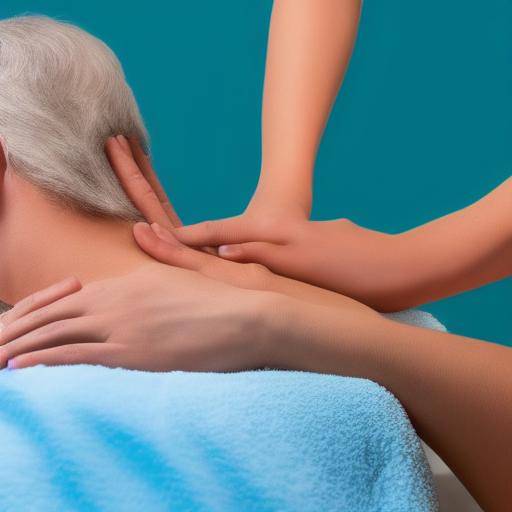
Self-care is not limited to the physical aspect, but encompasses conscious attention to oneself in all aspects: physical, emotional, mental and spiritual. Addressing self-care in an integral manner entails numerous benefits, such as stress reduction, improvement of self-esteem and strengthening emotional resilience. These aspects are fundamental in the development of persuasion skills, as a person with a solid welfare state will have a more positive influence on their environment.
Comprehensive Examination
Self-care practices can vary widely according to personal preferences, but their impact on persuasion skills is undeniable. By incorporating healthy habits, such as regular exercise, meditation and time management, it is possible to improve the compelling and empathic communication capacity, essential features of an effective persuader.
Comparative Analysis
The correlation between self-care, persuasion skills and personal well-being is evident when comparing individuals who actively practice self-care and those who neglect this aspect. Not only is there an improvement in the ability to influence others, but also in the ability to handle challenging situations and maintain a clear and positive approach.
Practical Tips and Actionable Advice
For those who want to improve their persuasion skills through self-care, there are multiple practical strategies that can be implemented. Some of these strategies include the adoption of healthy eating habits, the regular practice of relaxation exercises and the search for activities that nourish emotional well-being.
Industry Insights and Expert Opinions
According to experts in psychology and communication, self-care is an essential component in the effective persuasion process. The ability to maintain calm, mental clarity and empathy are fundamental attributes in any persuasive interaction, and these attributes are deeply influenced by an individual's self-care practices.
Case Studies and Real-Life Applications
Several cases of study have demonstrated the direct correlation between self-care, persuasion skills and personal well-being. Individuals who have integrated self-care practices in their lives have experienced a significant change in their ability to positively influence their environment, as well as their overall level of personal satisfaction and realization.
Future Trends and Predictions
As awareness of the importance of self-care continues to grow, it is expected to be more meaningfully integrated into personal and professional development programmes. Public leaders and speakers that prioritize self-care will not only be able to communicate with greater impact, but will also establish models to follow for a balanced and satisfactory life.
Conclusion
Self-care represents a fundamental pillar in the development of persuasion skills, as it directly influences personal well-being, mental clarity and empathy. By prioritizing self-care, individuals are strengthening their capacities to positively influence their environment and achieve a deeper level of personal realization.
Frequently asked questions (FAQs)
1. How does self-care influence effective persuasion?
Self-care impacts effective persuasion by influencing the ability to maintain calm, mental clarity and empathy, essential attributes in persuasive communication.
2. What self-care practices are more beneficial to the development of persuasion skills?
Practices such as meditation, regular physical exercise and time management effectively can contribute significantly to the development of persuasion skills.
3. Is there scientific evidence to support the relationship between self-care and persuasion skills?
Yes, many studies have demonstrated the positive influence of self-care in persuasive communication capacity and the effective management of challenging situations.
4. What is the impact of self-care on personal well-being?
Self-care improves personal well-being by reducing stress, improving self-esteem and strengthening emotional resilience, fundamental aspects for a balanced and satisfactory life.
5. How can organizations promote self-care among their members to enhance persuasion skills?
Organizations can promote self-care through welfare programmes, fostering healthy practices and providing resources for personal and professional development.
6. What are the long-term benefits of integrating self-care into the development of persuasion skills?
In the long term, integrating self-care into the development of persuasion skills not only improves effectiveness in communication, but also promotes a state of lasting emotional and mental well-being.
Concluding, self-care plays a key role in the development of persuasion skills and in the promotion of personal well-being. As we continue to explore this fascinating interconnection, it is crucial to remember that self-care not only benefits at the individual level, but also has a significant impact on how we positively influence our environment.