Introduction
In the agitated modern life, it is essential to recognize the importance of self-care and its intrinsic relationship with the practice of gratitude. Self-care, understood as the commitment to prioritizing and preserving personal well-being, is intertwined significantly with gratitude, a profoundly positive emotion that can improve the quality of life. In this article, we will explore in detail the intersection between self-care, gratitude and personal well-being, highlighting its relevance, benefits and practical implementation. We will learn how these complementary practices can positively impact our daily lives.
The History and Context of Self-care and Gratitude
Self-care has deep historical roots that intertwine with diverse cultures and traditions. From ancient Greek philosophy to Eastern spiritual practices, the concept of caring for oneself has been valued over time. On the other hand, gratitude has also been a constant presence in the history of humanity, finding its place in philosophical, religious and psychological teachings.
The dawns of modern positive psychology have given greater understanding of gratitude as a fundamental component of emotional and social well-being. Contemporary studies have confirmed the positive effects of gratitude in reducing stress, improving interpersonal relationships and promoting mental health.
Deep Analysis of Self-care, Gratitude and Personal Welfare
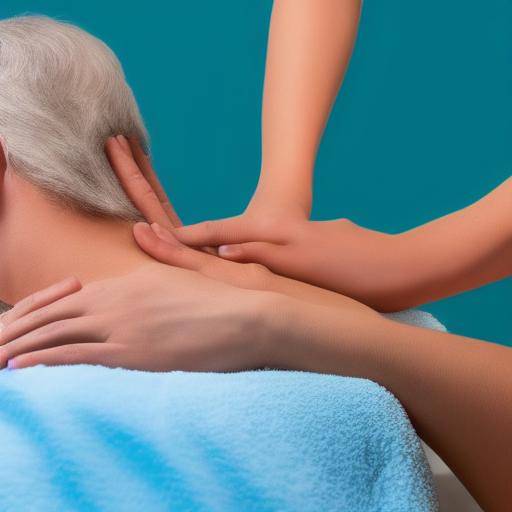
Self-care is presented as an integral approach covering different areas of life, including physical, emotional and spiritual health. In addition, gratitude emerges as an attitude that can enhance self-care by fostering appreciation for what is being done, generating a positive impact on mental and emotional health.
This deep analysis leads us to understand how the conscious practice of self-care, in combination with gratitude, can strengthen our emotional resilience, strengthen self-esteem and promote positive attitudes towards life.
Comprehensive Review of Practices and Perspectives
Different perspectives enrich the understanding of self-care, gratitude and personal well-being. From the perspective of experts in psychology to traditional practices of body and mind care, there are multiple approaches that converge in the common goal of improving quality of life.
Throughout this detailed review, we explore the practices and perspectives that enrich the understanding of these areas, demonstrating the relevance of integrating strategies of self-care and gratitude into everyday life.
Comparative Analysis and Practical Applications
Compare and contrast self-care and gratitude practices allow us to identify points of convergence and divergence in their effects and applications. For example, while self-care can focus on concrete actions such as healthy eating and physical activity, gratitude is manifested in positive attitudes and emotions towards others and life in general.
By understanding these differences, we can create more effective strategies to integrate self-care and gratitude into our lives. It is important to recognize that the practical application of these practices may vary according to individual circumstances, but their effectiveness in promoting personal well-being is undeniable.
Practical Tips and Accessible Recommendations
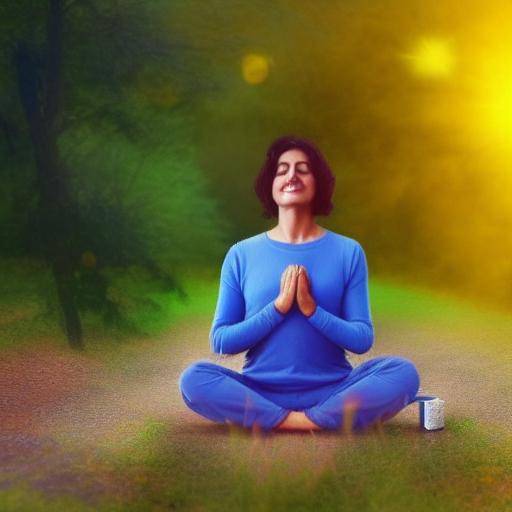
The concrete implementation of self-care and gratitude requires tangible actions. From the practice of meditation of gratitude to the establishment of healthy limits in our relationships, there are many ways to incorporate these practices into our daily lives.
Industry Perspectives and Expert Reviews
The perspectives of experts in psychology, well-being and mental health enrich our understanding of the intersection between self-care, gratitude and personal well-being. Specialized knowledge provides a deep insight into how these practices can significantly transform people's lives. In addition, their reflections on current and future trends in the field of self-care and gratitude offer a valuable perspective on the way these practices could go in the future.
Case Studies and Practical Applications in Real Life
Real case studies show us how individuals, communities and institutions have successfully integrated self-care and gratitude into their daily dynamics, generating significant impacts on their well-being and quality of life. These concrete examples illustrate the versatility and applicability of these practices in diverse contexts, from work to staff.
Future Trends and Predictions
The future panorama of self-care, gratitude and personal well-being is comprehensive and promising. As awareness of the importance of mental and emotional health continues to grow, self-care and gratitude are likely to become even more relevant in society. Furthermore, the advancement of technology and the availability of innovative resources can shape the way these practices are integrated into our lives.
Conclusion
In conclusion, self-care and gratitude emerge as essential components of personal well-being. Their intersection generates a positive impact on people's quality of life, strengthening resilience, fostering positive emotions and promoting emotional balance. By incorporating concrete strategies of self-care and cultivating a sense of gratitude, individual and collective well-being can be significantly enhanced.
Frequently asked questions
How can I incorporate self-care into my daily routine?
Integrating self-care into the daily routine can be done by small gestures, such as dedicating time for rest, meditation or physical activity. It is also important to establish healthy limits and prioritize personal needs.
Does gratitude really have a significant impact on mental health?
Yes, many studies have shown that the regular practice of gratitude is related to greater satisfaction with life, less depression and a more optimistic mentality.
In what areas of my life should I practice gratitude?
Gratitude can be applied in all areas of life, from personal relationships to the working environment. Recognizing and appreciating the positive in every facet of life can promote an attitude of continued gratitude.
Can self-care and gratitude benefit interpersonal relationships?
Yes, self-care and gratitude can strengthen interpersonal relationships by fostering a positive mentality, empathy and ability to recognize and value others.
Is there a relationship between self-care and emotional resilience?
Yes, self-care plays a key role in the development of emotional resilience by providing tools to manage stress and difficulties effectively.
How can I practice gratitude more consciously?
The practice of conscious gratitude implies maintaining a daily of gratitude, identifying and verbally expressing daily blessings, and cultivating an attitude of appreciation to people and experiences in life.
Concluding, the interrelationship between self-care, gratitude and personal well-being offers a vast field of opportunities to improve the quality of life and promote an emotional balance. By consciously understanding and applying these practices, we can nurture our mental, emotional and spiritual health, which in turn impacts positively on our environment.