Introduction
Self-confidence and empathy are two basic skills for personal development and interpersonal relationships. The ability to trust oneself and to understand and connect with the feelings of others are closely linked to emotional well-being. In this article, we will explore the importance of self-confidence in the development of empathy, its impact on emotional well-being and how to effectively cultivate these skills.
History and Background
Self-confidence and empathy have been topics of interest throughout history, both in philosophical and psychological contexts. The concept of self-confidence dates back to ancient Greek philosophies, where the importance of self-confidence was explored to achieve excellence and self-realization. On the other hand, empathy has been studied in psychology since the twentieth century, when it began to investigate in the ability to understand and share the feelings of others.
Over the years, both skills have evolved into their understanding and application. Today, self-confidence is considered a fundamental pillar of emotional well-being, while empathy is recognized as an essential element in human relations and the construction of empathic and compassionate societies.
Deep analysis
Self-confidence not only positively influences personal development, but also plays a crucial role in the ability of a person to show empathy towards others. People who trust in themselves tend to be more open to understanding the perspectives and emotions of others, allowing them to establish more authentic and meaningful connections. This bidirectional relationship between self-confidence and empathy becomes a virtuous cycle that promotes greater emotional well-being both individually and collectively.
It is important to note that the development of self-confidence and empathy also faces challenges, especially in an increasingly interconnected but also more individualistic world. The media and social networks can influence the self-confidence of people, and the lack of empathy in everyday interactions can make it difficult to develop this skill. However, through consciousness and emotional education, it is possible to overcome these obstacles and strengthen both self-confidence and empathy.
Comprehensive review
The practical application of self-confidence and empathy covers various areas, from the working environment to personal relationships. In the workplace, self-confidence can improve leadership and decision-making, while empathy facilitates collaboration and conflict resolution. In personal relationships, these skills strengthen emotional ties and foster mutual understanding.
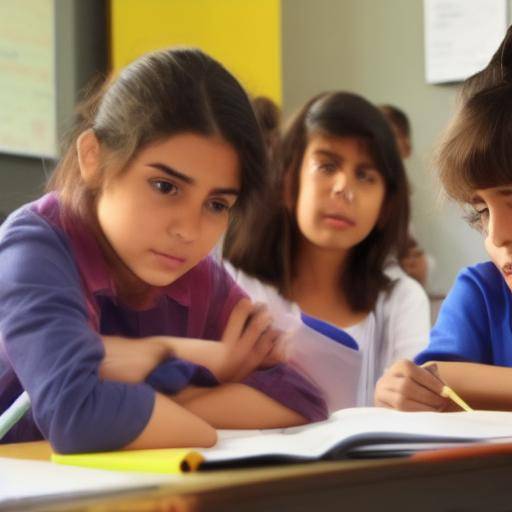
In education, building self-confidence and empathy for young people is essential for their comprehensive development and their ability to relate in a healthy and meaningful way. Pedagogical strategies that promote self-efficiency and empathy in students can have a long-term positive impact on their emotional well-being and on building a more empathic society.
Comparative analysis
Both self-confidence and empathy share the characteristic of promoting a greater connection with oneself and others. However, while self-confidence focuses on self-confidence and decision-making, empathy focuses on understanding and respect for the emotions and perspectives of others. Both skills, although different, complement and enhance each other, creating a balance between self-assertion and interpersonal connection.
Practical Tips and Recommendations
To cultivate self-confidence and empathy, it is crucial to practice self-acceptance and understanding of one's own emotions. Some strategies that can be useful include the practice of gratitude, the development of emotional intelligence, the search for social support and participation in activities that foster self-expression and the understanding of the experiences of others. At the same time, it is essential to question and challenge limiting beliefs that may affect self-confidence and work on the development of empathy through active listening and the search for different points of view.
Industry Perspectives and Expert Reviews
Experts from various fields, including psychology, education and leadership, agree on the importance of strengthening self-confidence and empathy in today's society. Promoting these skills not only promotes individual emotional well-being, but also contributes to the creation of more collaborative, empathic and compassionate environments in all areas.
Case studies and practical applications
The impact of self-confidence and empathy can be seen in a variety of contexts and situations. From companies that promote work environments based on trust and empathy, to community initiatives that foster emotional connection and mutual understanding, case studies show how these skills can positively transform interpersonal and social dynamics.
Future Trends and Predictions
As awareness of the impact of self-confidence and empathy on emotional well-being continues to grow, new trends and approaches are expected to emerge to strengthen these skills in different areas. The integration of technology, artificial intelligence and positive psychology could open up new opportunities for the development of self-confidence and empathy on an individual and collective scale.
Conclusion
In short, self-confidence and empathy play key roles in developing emotional well-being and building meaningful relationships. By strengthening these skills, both individually and socially, it is possible to foster more positive, collaborative and compassionate environments. Cultivating self-confidence and empathy requires time, effort and self-reflection, but the benefits in terms of emotional well-being and quality of life are incalculable.
Frequently asked questions (FAQs)
1. How can I strengthen my self-confidence?
Strengthening self-confidence involves practicing self-acceptance, challenging limiting beliefs, establishing attainable goals and seeking the support of people who foster a positive view of oneself.
2. What is the difference between self-confidence and arrogance?
Self-confidence is based on self-security and self-confidence, while arrogance is characterized by an exaggerated sense of superiority and lack of consideration towards others.
3. Why is it important to develop empathy?
Developing empathy promotes a greater understanding of the emotions and perspectives of others, which strengthens interpersonal relationships and contributes to building more compassionate and collaborative societies.
4. How can I practice empathy in my daily life?
Practicing empathy involves actively listening, showing genuine interest in the experiences of others, and seeking to understand their emotions and perspectives without judging.
5. Are self-confidence and empathy related?
Yes, self-confidence can facilitate the development of empathy by promoting greater openness and security to understand and connect with the feelings of others.
6. What are the advantages of promoting self-confidence and empathy in the working environment?
Promoting self-confidence and empathy in the working environment can improve collaboration, creativity, motivation and problem solving, as well as promote a more positive and satisfactory working environment.
Conclusion
Self-confidence and empathy are fundamental pillars for emotional well-being and interpersonal relationships. In understanding the importance of cultivating these skills and their positive influence in different spheres of life, it is possible to move towards more collaborative, compassionate and enriching environments. By strengthening self-confidence and empathy, the relationship with oneself and with others is not only transformed, but also contributes to the construction of a more empathic and equitable society.
Following the recommendations, advice and reflections presented in this article, each individual has the opportunity to foster his self-confidence, strengthen his empathy and contribute to the creation of a more harmonious and comprehensive environment in his community and in the world at large.
These skills, by developing consciously and proactively, have the power to transform not only the personal life of each individual, but also the dynamics and balance of human relations at the global level.