Introduction
Conflict is a constant in life, whether in working, family or social settings. Sometimes finding effective solutions can be challenging. This is where the brainstorming technique, or brainstorming, plays a crucial role. In this article, we will explore in depth the concept of brainstorming, its relation to conflict management and creativity, as well as its impact on the effective resolution of dilemmas. You will find out how to use this methodology to address and resolve conflicts in an innovative and collaborative manner.
History and Background
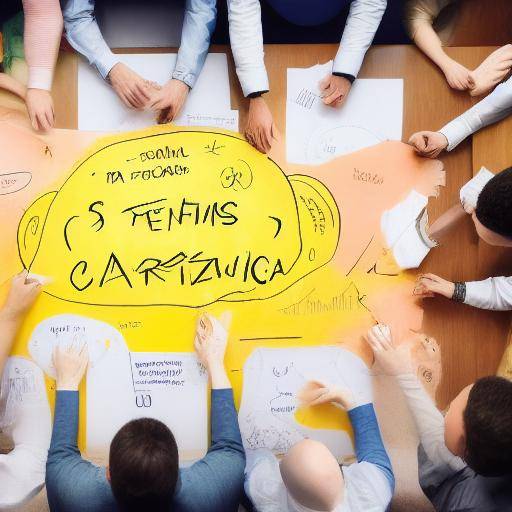
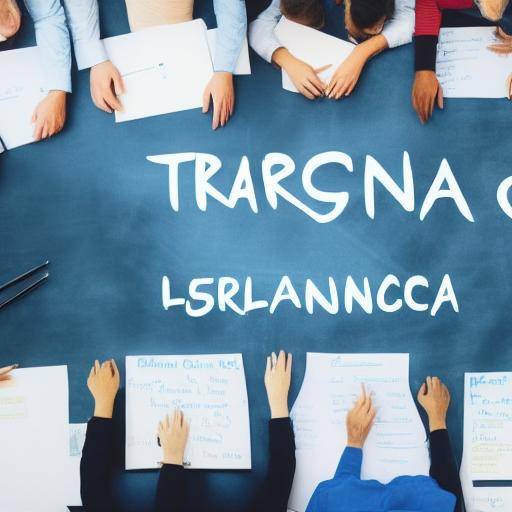
The brainstorming technique, which literally translates as "lead of ideas," was developed by Alex Faickney Osborn in the 1950s as an approach to stimulating creativity in working groups. Osborn proposed that by bringing together a diverse group of individuals with different backgrounds and perspectives, more innovative ideas and solutions are generated than by addressing the problem individually.
Over the years, brainstorming has evolved and adapted to different contexts and needs, becoming a key tool in conflict management and the search for effective solutions.
Analysis in Deep
The brainstorming in conflict management offers a number of significant benefits. In fostering the active participation of all those involved in conflict resolution, an enabling environment is created for the generation of innovative ideas and the promotion of collaboration. However, it also presents challenges, such as managing group dynamics and ensuring that all voices are heard.
Currently, brainstorming has been the subject of various research and studies that support its effectiveness in conflict resolution. These analyses show that organizations using this technique tend to be more innovative and agile in solving internal or external problems.
Comprehensive review
The brainstorming has a wide range of applications, from conflict resolution to innovation in marketing products and strategies. Through case studies and best practices, it is possible to understand how brainstorming has been successfully used in various scenarios, providing a deep insight into its real impact.
Comparative analysis
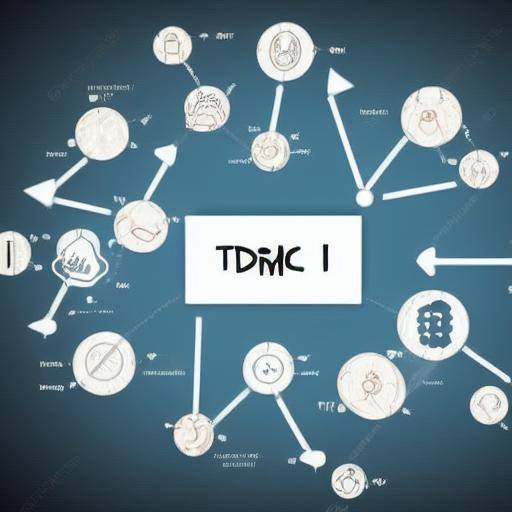
When compared to traditional conflict management, the brainstorming highlights its focus on multiplicity of perspectives and solutions. In turn, creativity plays a key role in generating disruptive and novel ideas, which can be crucial in solving complex disputes.
Practical Tips and Accessible Advice
To effectively use brainstorming in conflict management, it is essential to establish an enabling environment that promotes participation and creativity. We will provide practical advice and step-by-step guidelines to ensure that the brainstorming process is effective and beneficial for conflict resolution.
Ideas and Views of Experts
We will enter into the perceptions of experts in the field of brainstorming, conflict management and creativity to understand how these areas are intertwined and complemented. We will analyse the latest trends and research that influence the way organizations address conflict resolution.
Case Studies and Real Life Applications
Through detailed study cases, we will provide concrete examples of how brainstorming has been effective in resolving conflicts in diverse environments. We will disaggregate the results and lessons learned to better understand their practical applicability.
Future Trends and Predictions
Finally, we will explore emerging trends related to brainstorming, conflict management and creativity. Based on current data and expert opinions, we will provide perspectives on possible future developments and challenges that could impact these areas.
Conclusion
In conclusion, the brainstorming is built as a powerful tool in conflict management and the search for innovative solutions. Its ability to foster collaborative participation, stimulate creativity and generate disruptive ideas makes it a key element in the effective resolution of dilemmas. By understanding and applying the best practices and knowledge shared in this article, you can enhance the potential of brainstorming to address and resolve conflicts constructively and creatively.
Frequently asked questions
**1. What kind of conflicts can brainstorming apply?**The brainstorming can be applied to a wide range of conflicts, whether in working, family or community settings. His focus on the generation of creative ideas makes it adaptable to different conflicting situations.
**2. What are the main challenges in implementing brainstorming in conflict management?**Some common challenges include managing group dynamics, ensuring diversity of ideas and balancing the participation of all involved.
**3. How can creativity impact conflict resolution through brainstorming?**Creativity is fundamental in the generation of original and out-of-common solutions, which can open up new avenues for conflict resolution that seemed irresolvable.
**4. What difference does brainstorming differ from other conflict resolution techniques?**Unlike other more traditional techniques, brainstorming focuses on multiplicity of perspectives and solutions, opening space for innovation and collaboration.
**5. What is the role of a moderator in a brainstorming process for conflict management?**The moderator plays a crucial role in leading the brainstorming process, ensuring that the rules are respected, that all voices are heard and that the approach is maintained in conflict resolution.
**6. How can brainstorming be effectively implemented in multicultural teams?**The brainstorming in multicultural teams requires a deep understanding of cultural dynamics and an inclusive approach that promotes the participation of all members, regardless of their cultural background.
With this comprehensive guide on the use of brainstorming in conflict management, we hope that you can make the most of this technique to effectively address and resolve the challenges that may arise in different aspects of life. The rain of ideas can be the catalyst you need to overcome obstacles and find innovative solutions!