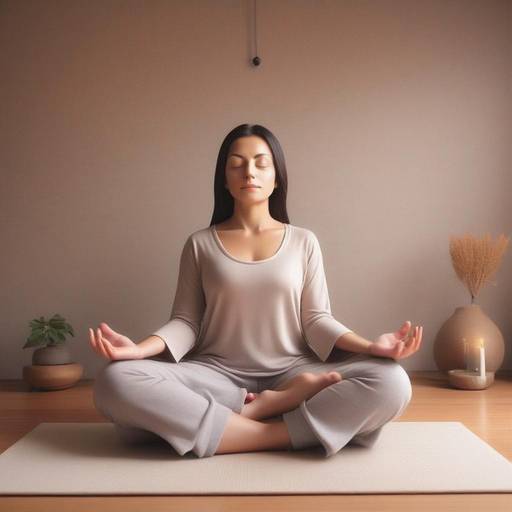
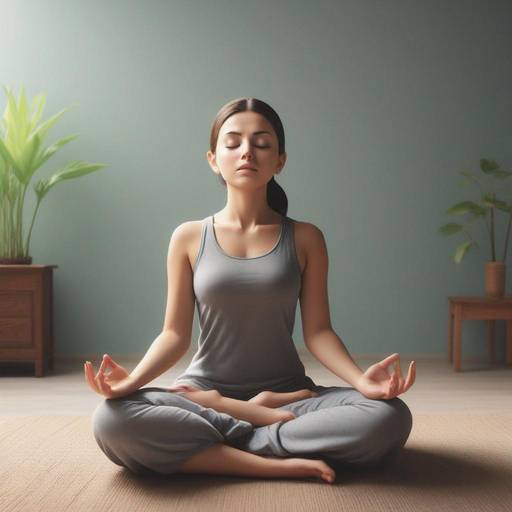
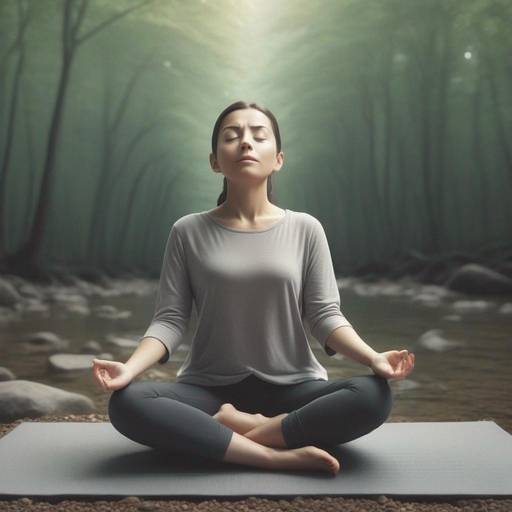
In modern society, day-to-day can be shaken and often we are overwhelmed by stress and responsibilities. However, it is essential to take care of our emotional well-being and maintain an effective night routine to maximize relaxation and prepare for a repairing dream. In this article, we will explore how to integrate the mindfulness technique into our evening routine to cultivate emotional well-being.
Introduction
Mindfulness, or full attention, is an ancestral practice with roots in Buddhism, which has gained popularity in the Western world due to its numerous benefits for mental and emotional health. In the context of an effective night routine, mindfulness offers powerful tools to reduce stress, improve sleep quality and foster deep relaxation. Throughout this article, we will discover how we can take advantage of this technique to optimize our emotional well-being during nighttimes.
History and Background
Mindfulness has its origins in Buddhist teachings, where it has been practiced for thousands of years as a way of achieving enlightenment and inner peace. In the 1970s, mindfulness practice was popularized in the West thanks to figures such as Jon Kabat-Zinn, who introduced it in medical contexts, especially for the treatment of stress, chronic pain and mental health problems.
Over the years, mindfulness has evolved to adapt to contemporary needs, extending to fields such as psychology, education and the business world. Health professionals, therapists and emotional well-being experts have actively promoted the use of mindfulness as an effective tool to improve quality of life.
Deep analysis
By incorporating mindfulness into the night routine, people experience significant benefits for their emotional well-being. Scientific studies have shown that regular mindfulness practice contributes to stress reduction, emotional regulation and mood improvement. In addition, it promotes body and mental consciousness, resulting in deep relaxation and a reparative sleep.
Despite its advantages, the implementation of mindfulness in the night routine presents certain challenges, such as the need to devote time and concentration to practice. However, with proper guidance and commitment, overcoming these obstacles is possible and highly beneficial.
Comprehensive review
To effectively integrate mindfulness into the night routine, it is crucial to understand its practical application. Through guided meditation, conscious breathing, visualization and other techniques, it is feasible to cultivate an environment conducive to emotional well-being. In addition, the creation of a calm and relaxing space, the disconnection of electronic devices and the establishment of a regular routine contribute significantly to optimizing the results.
Considering different perspectives and approaches in mindfulness practice in the night routine allows us to identify the best customized strategies for each individual. Some may benefit from specific meditation methods, while others find that the combination of mindfulness with activities such as yoga or relaxing bath enhances its effects.
Comparative analysis
In order to fully understand the benefits of mindfulness in the night routine, it is imperative to compare and contrast with the standard night routine. While a conventional routine may include activities such as watching television or checking e-mail, mindfulness complements these practices with the conscious intent of relaxing the mind and body.
In addition, emotional well-being is strengthened by the regular practice of mindfulness, which generates a positive impact on sleep quality and the ability to cope with everyday stress.
Practical Tips and Accessible Tips
Integrating mindfulness techniques into the night routine may seem overwhelming at first, but with practice and patience, it becomes more natural and rewarding. Here are some practical tips to start:
- Sets a quiet space: Find a place in your home where you can practice mindfulness without distractions. It can be a cosy corner or a room dedicated to relaxation.
- Programme relaxing activities: Before sleeping, it performs activities that encourage relaxation, such as reading, listening to soft music or taking a warm bath. These actions will prepare your mind and body for the practice of mindfulness.
- Start with conscious breathing: Give a few minutes to pay attention to your breathing. Watch how the air comes in and out of your body, focusing on the present moment.
- Practice visualization: Use visualization to create relaxing mental images. You can imagine a quiet place, like a beach or a forest, and get involved in the sensory details of that scene.
- Implement guided meditation: Find guided meditation resources that focus on relaxation and sleep. On instructions from a guide, you can immerse yourself in a state of calm and serenity.
Perceptions of Industry and Expert Reviews
Experts on emotional well-being and mindfulness agree that integrating these practices into the night routine is essential to improving the quality of night break and promoting emotional balance. The academic community continues to research and promote the use of mindfulness as a valuable approach to managing stress and anxiety, as well as to optimize general well-being.
Featured voices in the mindfulness community and mental health have shared experiences and advice on their practical application, which has enriched collective knowledge and provided valuable guidance to those who wish to incorporate these practices into their night routine.
Case Studies and Real Life Applications
The effectiveness of mindfulness in the night routine has been demonstrated through numerous case studies and applications in real life. Individuals who have adopted this practice have reported significant improvements in their emotional well-being, as well as in the quality and duration of their sleep. The testimonies of those who have integrated mindfulness in their night routine provide real insights into the tangible benefits that can contribute to the quality of life.
Future Trends and Predictions
As awareness of the importance of emotional well-being continues to grow, the integration of mindfulness into the night routine is expected to gain even more relevance in the future. With the advancement of technology, new tools and applications may emerge that facilitate the practice of mindfulness, which will expand its accessibility and impact on society.
In addition, efforts are envisaged to promote the incorporation of mindfulness in environments such as work and education, recognizing its ability to improve performance, concentration and emotional balance.
Conclusion
The practice of mindfulness in the night routine offers a powerful tool to cultivate emotional well-being and promote a repairing sleep. By focusing on the present moment, we can free ourselves from the stress and agitation of the day, allowing us to find the tranquility necessary to rest and recharge our energies.
FAQs
How can I incorporate mindfulness into my night routine if I have little time?
It is possible to start with mindfulness micro-practices, such as brief moments of conscious breathing or meditation before bedtime. By dedicating even a few minutes to this practice, you can experience significant benefits for your emotional well-being.
Is mindfulness suitable for all people, regardless of their age or lifestyle?
Mindfulness is an adaptable practice that can be beneficial for people of all ages and contexts. Adapting mindfulness techniques to your specific needs will allow you to enjoy your benefits regardless of your age or lifestyle.
Can mindfulness help me reconcile sleep if I suffer from insomnia?
Mindfulness can be especially useful in addressing insomnia, as it promotes relaxation and reduces mental activation, which in turn facilitates sleep reconciliation. By practicing mindfulness before bedtime, you can calm your mind and prepare your body for rest.
Should I practice mindfulness alone or is it beneficial to do it in a group?
Both individual and group practice can be beneficial. Lonely practice allows you to adapt it to your personal needs, while group practice can offer a sense of support, connection and community. You can alternate between both modalities according to what is more comfortable and enriching.
Can mindfulness help in managing everyday stress?
Yes, mindfulness is recognized for its ability to reduce stress. By practicing full attention, you learn to manage your thoughts and emotions consciously, which can reduce the perception of stress and increase your ability to face everyday challenges.
Are there applications or online resources that can help me practice mindfulness in my night routine?
Yes, there are numerous online applications and resources that offer guided meditations and mindfulness exercises designed specifically for relaxation and sleep. Explore different options to find which best suits your needs and preferences.
This article has explored how mindfulness can enrich an effective night routine, providing valuable tools to optimize emotional well-being. By incorporating mindfulness practices in your nocturnal routine, you can enjoy greater tranquility, a more repairing dream and a general sense of balance and well-being.