Introduction
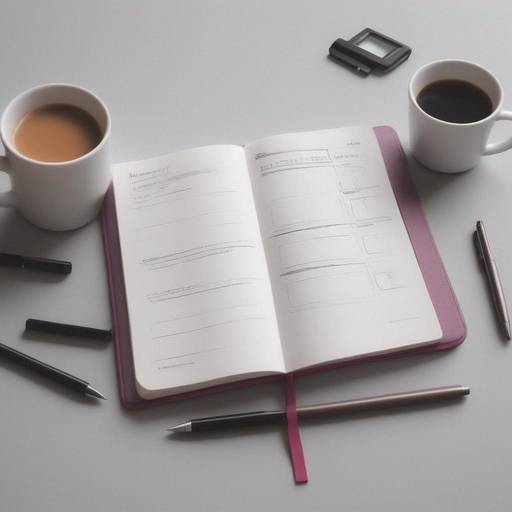
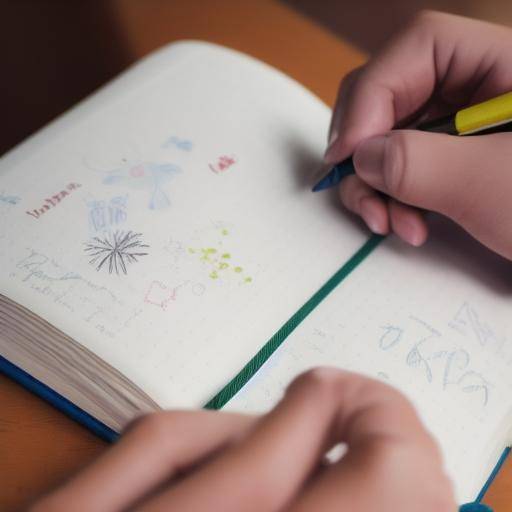
Journaling, a technique that involves writing regularly in a personal journal, has become a powerful tool for planning health and well-being goals. This method not only allows you to organize thoughts and emotions, but can also be an effective tool to establish and achieve goals related to physical, mental and emotional health. In this article, we will explore in detail how journaling can be used as an effective strategy to plan health and well-being goals, as well as the practical benefits and advice to implement it effectively in everyday life.
History and Background
The journaling has its roots in ancient personal writing traditions and intimate journals. Throughout history, prominent figures have kept detailed journals, including artists, literary and political leaders. The act of carrying a journal has been used as a form of self-reflection, self-knowledge and as a therapeutic tool.
Over time, journaling has evolved to adapt to contemporary needs, becoming a versatile technique widely used in various areas, including planning health and well-being goals.
Analysis in Deep
Benefits of Journaling
The journaling offers a variety of health and welfare benefits. These include strengthening self-consciousness, managing stress, improving mental health and promoting mental clarity to establish and achieve specific goals in areas such as nutrition, exercise and emotional care.
Current Challenges and Trends
Although journaling has many benefits, some individuals can face challenges in implementing this technique. Lack of time, excessive self-criticism or lack of structure are common obstacles. However, current trends in positive psychology and well-being have led to renewed interest in journaling as a tool of self-discovery and personal progress.
Comprehensive review
Practices of the Journaling for Health and Welfare
Journaling can be used in several ways to plan health and well-being goals. From tracking food habits to recording emotions and thoughts related to self-compassion, journaling offers a platform for genuine self-exploration and strategic planning of health and well-being goals.
Perspectives of Future Experts and Trends
Experts in psychology, nutrition and well-being highlight the importance of journaling as an effective tool to define and achieve goals related to health and well-being. Future trends indicate an increase in the integration of journaling with technology, providing new opportunities for customization and tracking of customized goals.
Comparative analysis
The journaling, when applied to the planning of health and well-being goals, stands out for its ability to promote self-consciousness and commitment to the established goals. Compared to other planning methods, journaling offers a unique perspective while allowing a deep exploration of health-related emotions and habits.
Practical Tips and Accessible Advice
Implementation of the Journaling for Health and Welfare Goals
By addressing health and well-being goals through journaling, it is important to establish a clear structure for writing, develop guiding questions to explore relevant areas and celebrate achievements along the way. It is also essential to consider the impact of the environment, routines and self-reflection on the successful implementation of this technique.
Industry Perspectives and Expert Reviews
Implications and Prognostics for the Future
Health and well-being experts predict that journaling will continue to play a significant role in defining health-related goals. With the advancement of technology, digital applications and platforms are expected to offer more personalized and real-time options for users seeking to improve their well-being through journaling and health goal planning.
Case Studies and Real Life Applications
Case studies that demonstrate the successful application of journaling in the planning of health and well-being goals are abundant. From the transformation of eating habits to stress management and adherence to an exercise program, journaling has proven to be a versatile and effective tool to promote integral well-being.
Future Trends and Predictions
Emerging Innovations
As awareness of the importance of integral well-being continues to grow, innovations are expected to emerge in the journaling area to adapt to the changing needs of users. This may include the development of more sophisticated digital tools, integration with tracking devices and the inclusion of collaborative functions that encourage mutual support in achieving health and well-being goals.
Conclusions and FAQs
Conclusions
In short, journaling is a valuable tool for planning health and welfare goals. By helping individuals explore their thoughts, emotions and behaviors, journaling becomes a powerful ally in the process of defining, following and achieving physical, mental and emotional health goals.
Frequently asked questions
How can I start using journaling to set health and well-being goals?
The first step is to spend regular or daily time writing in a personal journal. Establishing a clear purpose for journaling, such as improving food or managing stress, can provide a guide for inputs.
What are some useful guide questions for journaling in the context of health and well-being?
Some guide questions include: What dietary habits do I want to modify? What are my prevailing emotions today and how do my health-related decisions influence? What actions can I take to improve my emotional well-being?
How often should I do journaling to see results in planning health and well-being goals?
Frequency may vary according to personal preferences, but consistency is fundamental. Some people prefer journaling daily, while others find it useful to do so several times a week.
Are there recommended digital applications or platforms for health and well-being journaling?
Yes, there are several applications and platforms specifically designed for journaling and planning health and welfare goals. Some of the most popular include options for registering habits, moods, exercise goals and feeding.
Is journaling suitable for anyone seeking to improve their health and well-being?
Journaling can be useful for a wide range of people, from those who want to manage stress to those who seek to follow a healthy eating plan or improve their emotional well-being. However, it is important for each individual to determine whether journaling is tailored to their personal needs and preferences.
What are some additional resources recommended to learn more about journaling for the planning of health and welfare goals?
It may be beneficial to look for books, online resources, support groups or welfare programs that include aspects related to journaling and planning health goals. Finding professional guidance can also be useful for those who want a more structured approach to this approach.
In conclusion, journaling is a valuable strategy for planning health and welfare goals. By providing space for self-exploration, reflection and follow-up, journaling can be a powerful tool to transform intent into action and achieve greater well-being in everyday life.