Introduction
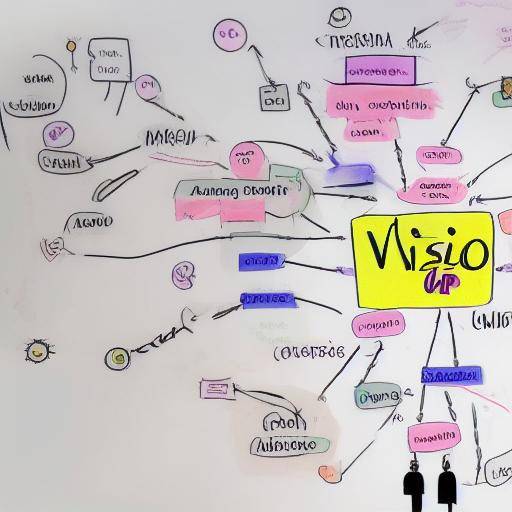
The mind mapping, also known as a mental map, is a visual technique that has gained popularity in various areas, from education to business planning. By using mind mapping, people can effectively organize and visualize their ideas, which is useful in evaluating personal progress and planning goals. This article will explore in detail how mind mapping can be a valuable tool to evaluate personal progress, highlighting its importance, application and benefits, as well as practical advice for implementation.
History and Background of Mind Mapping
The concept of mind mapping is attributed to the British psychologist Tony Buzan, who developed and popularized this technique in the 1970s. Buzan sought a more effective way of taking notes and organizing ideas, and so was born the mind mapping, a graphic representation that reflects the way the human brain thinks and remembers the information.
The mind mapping has evolved since, from being a personal productivity tool to being used in areas such as education, problem solving and business decision-making. Its effectiveness in organizing ideas visually has made it a widely adopted technique worldwide.
Detailed Analysis of Mind Mapping
The mind mapping offers many benefits, including the ability to stimulate creativity, improve information retention, facilitate understanding of complex concepts and foster collaboration in working environments. Despite their advantages, some people can face challenges at first, especially if they are used to more traditional methods of organization and planning.
Research and studies show that mind mapping can have a significant impact on productivity and personal effectiveness. Moreover, its versatility allows its application in a wide range of situations, from project planning to solving everyday problems.
Comprehensive Review of the Progress and Planning Assessment
The mind mapping has been integrated into the evaluation of personal progress in several ways, as it provides a clear visual representation of objectives, achievements, areas of improvement and steps to follow. By visually structuring the goals and milestones achieved, mind mapping facilitates the review and evaluation of personal progress over time.
In terms of planning, mind mapping can be a particularly useful tool for defining short- and long-term goals, identifying tasks and setting priorities. By visualizing all these areas of life on a mental map, people can get a clearer understanding of their goals and the direction they want to take.
Comparative analysis
When comparing the mind mapping with the assessment of progress and traditional linear planning, it is evident that the visual approach of the mind mapping can provide a more holistic perspective and stimulate creativity, which is often lacking in linear methodologies. While evaluation of progress and linear planning can be effective in structured and predictable environments, mind mapping highlights in situations where flexibility and creative thinking are essential.
Practical Tips and Accessible Tips
To make the most of mind mapping in the evaluation of personal progress, it is essential to focus on clarity and simplicity. By establishing clear goals, disaggregating them in concrete steps and regularly reviewing the mental map, a clear view of progress and areas that require more attention can be obtained.
Insider Information and Expert Reviews
According to experts in cognitive psychology and personal productivity, mind mapping can promote a deeper understanding of tasks and objectives. In addition, they highlight the ability of mind mapping to unlock new ideas and creative solutions, making it a valuable tool to evaluate and improve personal progress.
Case Studies and Real Life Applications
In a case study on how the mind mapping was implemented in a personal development program, there was a significant increase in the clarity of personal goals and the motivation to achieve them. In addition, mind mapping proved to be effective in identifying habits and behavior patterns that influence personal progress.
Future Trends and Predictions
As society becomes more focused on data visualization and information simplification, mind mapping is expected to play a crucial role in evaluating personal progress and planning. Future technological applications and the integration of mind mapping into digital tools will accelerate their adoption and impact on managing personal progress.
Conclusion
The mind mapping has been consolidated as a valuable tool for assessing personal progress and planning. His ability to visually represent ideas and goals makes him a powerful ally in seeking personal growth and achieving goals. By dominating the mind mapping and applying it to the evaluation of personal progress, people can maximize their effectiveness and achieve a higher level of success in their lives.
Frequently asked questions
How can I start using mind mapping to evaluate my personal progress?
Start by identifying your goals and creating a visual structure that represents your current situation and future goals. Use colors, images and keywords to improve the clarity and organization of your mental map.
Are there recommended software tools to create mind maps?
Yes, there are numerous tools available, both free and paid. Some of the most popular are XMind, MindMeister, and FreeMind. These tools offer advanced features such as the ability to share and collaborate in real time.
What are the common challenges in implementing mind mapping in evaluating personal progress?
One of the common challenges is the resistance to abandoning more traditional planning methods. In addition, some people may feel overwhelmed at first by trying to structure their personal progress visually.
How can I effectively evaluate my progress with a mind map?
Check your mind map regularly to identify areas of progress and possible obstacles. Adjust your mental map as necessary to reflect changes in your goals and achievements, and use this information to make informed decisions about how to move forward.
How can mind mapping help in long-term planning?
The mind mapping is effective in visualizing long-term goals and disaggregating them in achievable steps. By identifying the steps necessary to achieve your long-term goals, mind mapping facilitates the tracking of your progress over time.
What role does mind mapping play in motivation and personal commitment?
Mind mapping can act as a constant visual reminder of your goals, which can help you maintain motivation and commitment as you work to achieve them.
Throughout this article, we have explored how mind mapping can be an effective tool to evaluate personal progress and planning. By understanding their benefits, applications and practical advice, individuals can make the most of this technique to achieve significant success in their lives. With its ability to build creativity, improve organization and stimulate strategic thinking, mind mapping is positioned as a powerful tool for managing personal progress.