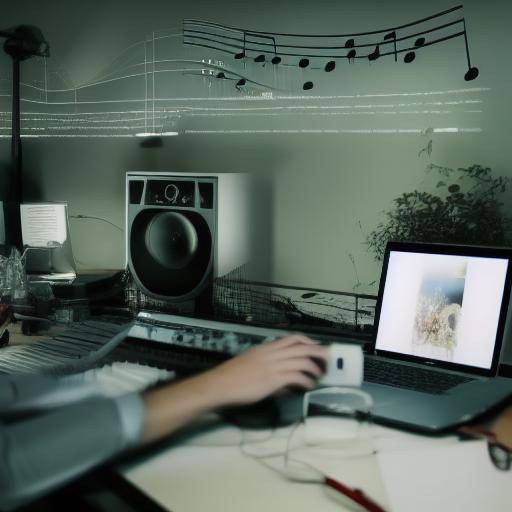
The working environment is a crucial factor for the success of any company. A collaborative environment fosters creativity, productivity and job satisfaction. Music can often play a key role in creating this environment. In this article, we will explore how music can positively influence the working environment and foster collaboration among employees.
Introduction
The working environment is much more than the physical space in which labor tasks are performed. This is the emotional, social and physical environment in which employees spend most of their day. A positive working environment can boost employee morals, promote creativity and increase productivity. Music, with its ability to influence emotions and mood, can be a powerful tool to improve the working environment and foster collaboration among colleagues. In this article, we will explore how music in the workplace can contribute to a collaborative and productive environment.
History and Background
Since time immemorial, music has been an integral part of human condition. It has been used in various cultures and contexts to express emotions, promote social cohesion and increase productivity. In the workplace, music has evolved from being a mere form of entertainment to becoming a strategic tool to improve the environment and foster collaboration.
The incorporation of music in the working environment has experienced different stages throughout history. From live music in factories during the Industrial Revolution to the arrival of music playback devices in modern offices, music has been gaining ground as a way to positively influence the working environment. Recent studies have supported the idea that music can have a significant impact on employee productivity and mood.
Analysis in Deep
Benefits of Music in the Labor Environment
Music in the workplace can bring a number of tangible and intangible benefits. From improving mood and reducing stress to promoting concentration and creativity, music can be a valuable asset to create a collaborative and positive environment. Studies have shown that music can increase efficiency in repetitive tasks, promote cohesion among employees and improve job satisfaction.
Challenges and Considerations
Despite the potential benefits, the incorporation of music into the working environment also poses challenges. The selection of music, volume and personal preferences are aspects that should be carefully considered. In addition, some working environments may require absolute silence for tasks that demand high concentration. It is crucial to find a balance that meets the individual and collective needs of employees.
Current Trends in the Use of Music at Work
In the current world of work, music has become a popular tool to improve the experience of employees. From collaborative playlists on streaming platforms to the incorporation of music spaces in offices, companies are actively exploring ways to integrate music into the working environment effectively.
Comprehensive review
Practices and Best Practices
Choosing the right music for the working environment can make the difference in employee perception. Soft instrumental music or collaborative playlist created by the employees themselves can promote concentration and general well-being. In addition, music in common spaces, such as rest rooms or meeting areas, can foster social interaction and collaboration between teams.
Perspectives of Future Experts and Prognostics
Experts in employment psychology and human resources explain that music in the workplace can be a powerful tool to improve the working environment. As companies seek innovative ways of attracting and retaining talent, the use of music as a tool for improving the working environment has become increasingly relevant. Current research points to greater recognition of the benefits of music in the workplace and greater adoption of musical strategies to promote collaboration and productivity.
Comparative analysis
In the context of work, the environment, music and collaboration are intrinsically interrelated. The creation of a collaborative and positive work environment through music requires a deep understanding of interpersonal dynamics, individual preferences and organizational culture. Understanding the similarities and differences between these elements is crucial to implementing successful strategies that enhance the collaboration and well-being of employees.
Practical Tips and Recommendations
Here are some practical recommendations for using music as a tool to create a collaborative work environment:
- Establish designated spaces: Provide specific areas where employees can choose to listen to music according to their personal preferences, balancing individual needs with the collectives.
- Encourage participation: Allow employees to contribute to the selection of music through collaborative playlists or surveys to identify musical preferences.
- Maintain a balance: Adjust the volume and the musical genre according to the work activities and preferences of the different teams, maintaining a balance between productivity and well-being.
Industry Perspectives and Expert Reviews
The opinions of experts in human resources, employment psychology and business leaders provide a deep insight into the role of music in creating a collaborative working environment. In addition, current and future trends in integrating music in the workplace provide a valuable insight into emerging practices and unexplored opportunities.
Case Studies and Practical Applications
Through case studies and concrete examples, successful implementations of musical strategies in different working environments can be effectively illustrated. The diversity of experiences reveals innovative approaches and tangible results that support the effectiveness of music in promoting a collaborative work environment.
Future Trends and Predictions
As the evolution of the working environment continues, emerging trends in the use of music to foster collaboration and cohesion at work are gaining momentum. Predicting how these trends will influence labour culture and operational efficiency provides a valuable perspective for companies seeking to adapt to a constantly changing labour market.
Conclusion
In conclusion, music can be a powerful tool to create a collaborative working environment. Understanding the relationship between music, the working environment and collaboration is essential for implementing effective strategies. By integrating music in a conscious and balanced way, companies can foster a more harmonious, productive and satisfying working environment for their employees.
If you are interested in reading more about how to improve the working environment through music, do not hesitate to explore other resources related to occupational psychology, business management and the latest trends in organizational culture.
Frequently asked questions
Question 1: Can music in the working environment distract employees?
The distraction caused by music at work can vary according to individual preferences and tasks performed. By allowing employees to participate in musical selection and establish designated areas, the negative impact of distraction can be minimized.
Question 2: What is the best way to choose the right music for different work activities?
The selection of music should be adapted to the specific needs of the different tasks and equipment. Soft instrumental music can be suitable for tasks that require concentration, while stronger music can be appropriate for activities that require creativity and collaboration.
Question 3: How can companies involve employees in the selection of music in the workplace?
The participation of employees can be encouraged through surveys, discussion groups or the creation of collaborative playlists. Allowing employees to contribute to musical selection promotes a sense of belonging and satisfaction.
Question 4: Can music at work improve cohesion among teams?
Yes, music can provide a point of connection between employees, promoting a sense of community and cohesion. Listening to shared music can generate a more positive atmosphere and facilitate communication among team members.
Question 5: What role does music play in reducing stress in the working environment?
Appropriate music can act as an effective tool to reduce stress and promote the emotional well-being of employees. The choice of relaxing music can contribute to a calmer and calmer environment, helping to relieve labor stress.
Question 6: How can companies minimize potential conflicts related to the selection of music at work?
Establish clear guidelines for the use of music in the working environment and encourage open communication among employees can help prevent conflicts related to musical preferences. In addition, maintaining a balance between music and silence can meet the needs of different employees.
Conclusion
The strategic implementation of music in the working environment can trigger significant benefits in terms of collaboration, well-being and productivity. In understanding the relationship between music, the working environment and collaboration, companies can use this resource to build more positive and cohesive working environments, which in turn can contribute to the long-term success and sustainability of the organization.