Introduction
In the current digital age, excessive use of technology can have a significant impact on our mental health. The constant exposure to screens, notifications and the pressure to be always connected can generate stress, anxiety and affect our quality of life. In this article, we will explore how journaling, a centuries-old technique to write your thoughts and emotions, can be an effective tool to manage the use of technology and improve our mental health. Join us on this journey to discover how journaling can be your ally in today's digital world.
History and Background
Journaling, or carrying a personal journal, has its roots in antiquity, using it as a means of registering personal information and reflections. From scout journals to writings of iconic literary figures, journaling has been a fundamental tool for ordering thoughts, processing emotions and preserving memories throughout history. Over time, journaling has evolved into a therapeutic and self-conscious practice in various cultures around the world.
Detailed Analysis
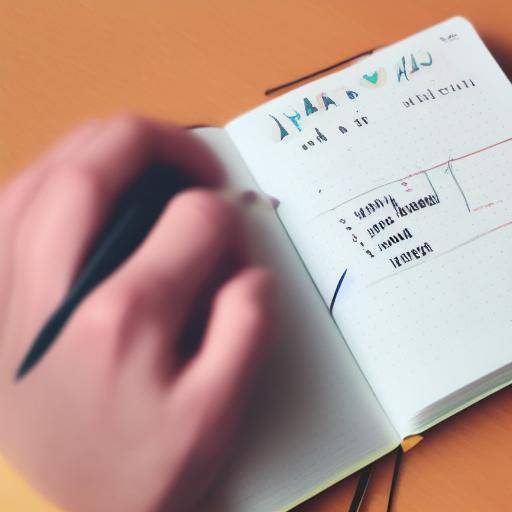
Journaling not only offers a form of personal expression, but has also been shown to contribute to the reduction of stress, anxiety and the improvement of mental health in general. The act of writing on a regular basis can help put thoughts in order, identify behavior patterns and promote self-care. By using journaling intentionally, people can gain clarity about their emotions, recognize stress triggers and set goals to improve their emotional well-being.
Comprehensive review
By combining journaling practice with the conscious management of the use of technology, significant benefits can be achieved in our mental well-being. Research has shown that journaling can help reduce screen time, foster greater self-control and promote greater awareness of how technology affects our emotional state. The act of writing can become a creative and personal shelter, providing a balance to the constant digital exhibition.
Comparative analysis
While journaling and technology may seem like opposite concepts, they can actually be complemented effectively. While technology connects us with the outside world, journaling connects us with our inner world. By using these tools in synergy, we can find a healthy balance between the digital world and our mental health. Conscious journaling allows us to be more selective with our online time, establish clear limits and make informed decisions about how to interact with technology.
Practical Tips and Accessible Tips
If you are interested in incorporating journaling in your life to manage your use of technology, here are some practical tips to start:
- Establish a regular journaling schedule, away from technological distractions.
- Use journaling applications or platforms to keep a digital record of your reflections.
- Experience with different journaling approaches, such as art journaling or journaling focused on digital welfare goals.
Conclusions and FAQs
In short, journaling can be a valuable tool to manage the use of technology and preserve our mental health in the digital age. Being aware of how technology impacts our daily life and complementing its use with practices such as journaling, we can cultivate a more balanced relationship with the digital world.
Frequently asked questions
1. How can I start journaling if I have no previous experience?
Start with short daily writing sessions and don't worry about perfection. Journaling is a personal practice, and the most important thing is to be honest with yourself.
2. Can journaling really help me reduce my dependence on technology?
Yes, the act of writing consciously can help you make more informed decisions about your use of technology and to be more selective in your digital interaction.
3. Is there any recommended application for digital journaling?
Some popular digital journaling applications include Day One, Journey, and Penzu. These platforms offer a variety of functions, such as the ability to attach photos, schedule writing reminders and keep track of your progress.
4. Is journaling useful for all ages?
Yes, journaling can adapt to people of all ages. From teenagers to older adults, the act of writing personal reflections can be beneficial for the management of technology and mental health.
5. Are there specific times of the day when journaling can be more effective in managing the use of technology?
Many people find useful journaling before or after prolonged periods of time in front of a screen, such as rising in the morning or at the end of the day. This allows them to reflect on their digital experience and establish intentions for the conscious management of technology.
6. Can I combine journaling with other forms of digital self-care, such as meditation or programmed digital disconnection?
Yes, journaling can be complemented by additional digital self-care practices, such as meditation, programmed digital disconnection or screen time limitation. These combined strategies can form a holistic approach to digital and mental well-being.
Conclusions
In conclusion, journaling is a powerful tool to manage the use of technology in our lives. By creating a space for reflection and self-consciousness, journaling allows us to maintain a healthy balance between the digital world and our mental well-being. By implementing journaling consciously, we can develop skills to more effectively manage the impact of technology on our daily lives.
Remember that the path to a healthy use of technology and balanced mental well-being is unique to each person. Experience with different journaling approaches, find what works best for you and commit to a healthy balance between technology and your emotional well-being.
As we continue to navigate in a constantly evolving digital world, journaling can remain an invaluable tool to preserve our mental and emotional health in harmony with technology.