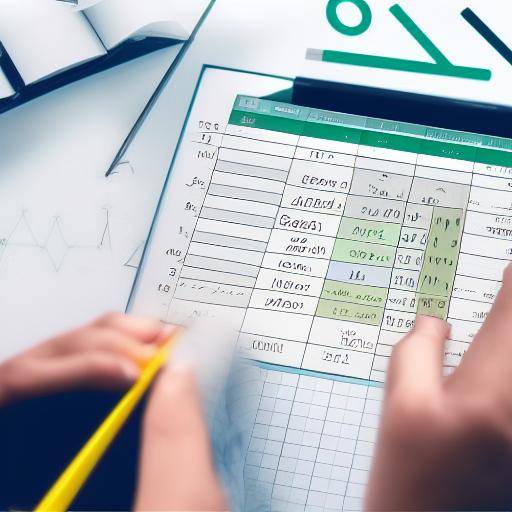
Tracking progress is a powerful tool that can help you achieve your health and well-being goals effectively. Whether you're looking to lose weight, improve your physical condition or adopt healthier habits, tracking progress can provide you with the clarity and motivation to achieve your goals. In this article, we will explore in detail how you can use this technique to improve your health and well-being, from its origin and evolution to practical advice and future predictions.
Introduction
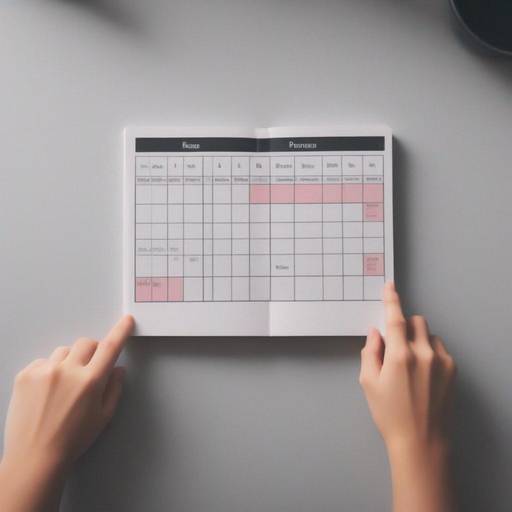
Monitoring progress is a strategy that involves systematically monitoring and recording various aspects of your health and well-being, such as food, exercise, sleep and other relevant habits. This technique allows you to visualize your progress and detect patterns or areas of improvement, which in turn helps you to adjust your focus and make informed decisions to achieve your goals.
In this article, we will provide you with a comprehensive analysis of progress tracking, health goals and planning, including your history, benefits, challenges, practical applications, future prospects and much more. Along the way, we will also explore practical advice, case studies and expert opinions to offer you a complete understanding of how to use this technique to improve your health and well-being.
History and Background
Tracking progress has its roots in the old practice of carrying a personal journal or registering activities. Throughout history, people have used various forms of follow-up to monitor their health and well-being, from registering food intake in ancient Greece to measuring steps and calorie counting in the modern era. In terms of health goals, the focus on careful planning of specific welfare goals has become increasingly common over the years.
Monitoring progress has experienced significant developments with the advancement of technology. With the introduction of mobile applications, portable devices and online platforms, people now have access to a wide range of progress tracking tools that enable them to record and analyze their health and well-being in a more detailed and efficient way than ever.
Analysis in Deep
Tracking progress offers a number of benefits for those seeking to improve their health and well-being. By providing a clear view of your daily actions, tracking progress helps you identify patterns and trends that may be affecting your well-being. In addition, it allows you to set specific and measurable goals, which in turn increases the likelihood of success by offering a clear road map and a sense of achievement as you progress towards your goals.
However, monitoring progress also presents challenges. For some people, the need to register and analyze data can be overwhelming, which can lead to demotivation or abandonment of practice. In addition, accuracy and consistency in data tracking can be problematic, especially if it is subjective variables such as mood or sleep quality.
At present, the follow-up to progress has become a relevant trend in health and well-being. An increasing number of research and studies support the effectiveness of this technique in achieving health-related goals, which has contributed to its popularity and the growing availability of related tools and resources.
Full review
When it comes to using progress monitoring to achieve health and well-being goals, it is important to consider different applications and approaches. For example, if your goal is to lose weight, you could use calorie tracking applications and meals to record your eating habits and consciously consume less calories than you burn. Similarly, if you are looking to improve your physical condition, you could use portable devices or physical activity tracking applications to record your daily activity, set foot or distance targets, and track your progress over time.
In addition, monitoring progress can also be applied to aspects such as sleep, water consumption, mood and other health and well-being factors. By registering this data systematically, you can identify areas of improvement, implement changes in your habits and evaluate the impact of your actions on your overall well-being.
As we move forward in the digital era, options and tools for tracking progress continue to expand. From applications specialized in tracking healthy habits to connected devices that monitor multiple aspects of your well-being, technology offers a wide range of possibilities for those who want to use progress tracking as a tool to achieve their health and well-being goals.
Comparative analysis
Monitoring progress, health goals and planning are closely interrelated in the context of achieving health and well-being objectives. While tracking progress provides the necessary structure and vision to evaluate progress towards your goals, the clear definition of health goals allows you to set specific and attainable goals that can be measured and monitored over time. Planning, for its part, gives you the opportunity to design concrete strategies and actions to achieve your goals, which is benefited by the follow-up of progress that allows you to evaluate the effectiveness of your efforts.
In summary, follow-up to progress, health goals and planning complement each other, forming a comprehensive framework for achieving health and well-being goals.
Practical Tips and Accessible Tips
If you are interested in using tracking progress to achieve your health and well-being goals, here are some practical tips that might be useful:
- Set clear and measurable goals: Define specific and attainable goals related to your health and well-being. Whether you seek to lose weight, improve your physical condition or adopt healthier habits, it is crucial that your goals be clear and measurable.
- Use tracking tools: Investigate and use applications, portable devices or online platforms that allow you to record and analyze data relevant to your health and well-being. Identify the tools that best fit your needs and preferences.
- Be consistent with tracking: Set a routine to record your data consistently. Consistency in tracking will allow you to capture patterns and trends more effectively, which in turn will help you make informed decisions about your habits.
- Evaluate and adjust: Periodically review your tracking data to evaluate your progress and detect improvement areas. Use this information to adjust your focus and make changes in your habits if necessary.
- Find support and motivation: Share your goals and your progress with friends, family or online communities. Other people's support and motivation can be critical to keeping your commitment to your health and well-being goals.
Conclusions and FAQs
In short, tracking progress is a valuable tool that can significantly improve your efforts to achieve health and well-being goals. By providing you with a detailed view of your progress, tracking progress allows you to make informed decisions and adjust your focus effectively to achieve your goals.
Frequently asked questions
**1. Why is it important to monitor progress in the context of health and well-being?**Tracking progress is important because it allows you to visualize your progress, identify patterns and trends, and make informed decisions about your health and well-being habits.
**2. What kind of data can be used to improve health and well-being?**A variety of data can be followed, including food intake, physical activity, sleep, mood, water consumption and other relevant habits for health and well-being.
**3. What are some popular tools for monitoring progress in health and well-being?**Some popular tools include calorie tracking applications, portable devices for physical activity monitoring, sleep tracking applications and online platforms to record healthy habits.
**4. How can I use tracking progress to set health and well-being targets?**You can use the tracking of progress to set specific and measurable goals related to your health and well-being, recording relevant data, evaluating your progress and adjusting your habits based on your analysis.
**5. What is the role of planning in the context of progress monitoring and health goals?**Planning plays a crucial role in designing specific strategies and actions to achieve your health goals, which is benefited by tracking progress that allows you to assess the effectiveness of your efforts.
**6. How can I keep the motivation to keep using long-term progress tracking?**Maintaining long-term motivation may involve seeking support and sharing your progress with others, setting rewards for reaching specific milestones, and reminding yourself of the benefits you will get when you reach your health and well-being goals.
In conclusion, tracking progress is an essential tool for those seeking to improve their health and well-being. With the ability to provide a detailed view of health-related habits and patterns, the follow-up of progress has become critical for those seeking to achieve specific goals. By understanding their history, benefits and challenges, as well as their practical applications and methods to maximize their effectiveness, you can effectively track progress to improve your health and well-being.
With a deeper understanding of this technique, you are better equipped to establish and achieve health and well-being goals effectively and sustainably. So what do you expect to take advantage of this valuable strategy on your journey to a healthier and more satisfying life?
I hope this resource is useful to you, and if you need more information or have any other questions, don't hesitate to let me know. Good luck on your journey to a healthier and more satisfying life!