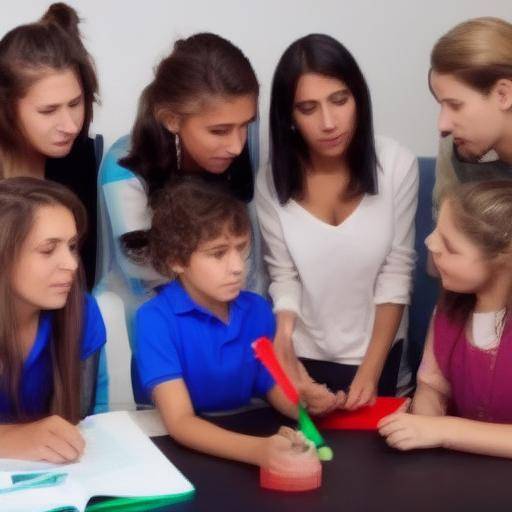
Role-playing, a technique that involves taking fictitious roles to represent real situations, is a powerful tool for improving cultural intelligence and personal development. In this article, we will explore in depth how role-playing can be used effectively to promote cultural intelligence and how it can positively impact personal growth. From its origin and history to practical application and future trends, we will discover how this technique can be a valuable tool in the search for cultural intelligence and personal development. In addition, we will provide practical advice, present case studies and provide predictions on future trends in this field. If you are interested in improving your cultural intelligence and personal development, this article will provide you with the information you need.
Introduction
The concept of role-playing has been used throughout history in various cultures and contexts to simulate situations, practice social skills and develop empathy. Today, its application extends to fields such as education, entrepreneurship, psychology and personal development, where its effectiveness has been demonstrated to promote cultural intelligence.
History and Background
The role-playing has its roots in the ancient theatrical traditions, where the actors assumed roles to represent historical events or mythological accounts. Over time, this practice spread to different cultures and was integrated into various spheres of society, becoming a versatile tool for the acquisition of interpersonal skills and the promotion of cultural intelligence.
In the twentieth century, role-playing experienced a significant increase in popularity, especially in the context of education and entrepreneurship. Its value was recognized to simulate work situations, improve problem solving and promote empathy, essential skills for cultural intelligence.
Analysis in Deep
The use of role-playing to improve cultural intelligence entails a number of benefits, including the development of empathy, the understanding of different cultural perspectives and the ability to adapt to diverse environments. However, it also presents challenges, such as the need to create realistic scenarios and ensure a safe environment for participation.
The role-playing offers a practical and dynamic way of experiencing and understanding different cultures, making it a valuable tool for the development of cultural intelligence. By simulating real situations and practicing appropriate responses, participants can expand their ability to adapt to diverse cultural environments and improve their intercultural competence.
Comprehensive review
The effective implementation of role-playing to promote cultural intelligence requires a strategic approach and a deep understanding of intercultural dynamics. By analysing case studies and best practices, it is possible to identify the most effective methods for integrating role-playing into cultural development programmes.
The perspective of experts in the field of cultural intelligence offers a valuable insight into the potential of role-playing as an intercultural development tool. Their informed opinions on current and future trends in the use of role-playing provide key information for those interested in improving their cultural intelligence.
Comparative analysis
Role-playing, cultural intelligence and personal development are intertwined significantly. Role-playing can be used as a tool for building cultural intelligence, which in turn contributes to personal growth by promoting mental openness, flexibility and ability to interact with people from different cultures effectively.
Practical Tips and Accessible Tips
By implementing role-playing to improve cultural intelligence, it is crucial to establish an environment of support and encourage active participation. Providing constructive feedback and opportunities to reflect on experiences lived through role-playing can maximize their impact on intercultural development.
Future Tips:
- It encourages the active participation of all members of the group.
- Design realistic scenarios that reflect common intercultural situations.
- It provides constructive feedback and opportunities for reflection.
Perceptions of Industry and Expert Reviews
The perceptions of experts in cultural intelligence offer a valuable insight into the role of role-playing in intercultural development. Their informed opinions on current and future trends in the use of role-playing provide key information for those interested in improving their cultural intelligence.
Case Studies and Applications in Real Life
Case studies that demonstrate the practical application of role-playing in intercultural contexts offer a clear view of their benefits and challenges. In analyzing real cases, it is possible to better understand the impact of role-playing on the development of cultural intelligence and personal growth.
Future Trends and Predictions
The role-playing will continue to play a key role in the development of cultural intelligence, especially as globalization and cultural diversity remain key aspects of modern society. Future predictions indicate greater integration of role-playing into intercultural development programmes and increased valuation of their benefits.
Conclusions
Role-playing is a powerful technique that can improve cultural intelligence and contribute to personal development. Its ability to simulate intercultural situations, foster empathy and promote adaptability makes it a valuable tool for those who seek to improve their understanding of cultural differences and their ability to effectively interact in diverse environments.
Frequently asked questions
**How can role-playing improve cultural intelligence?**The role-playing provides a safe and practical platform to experience and understand different cultural perspectives, fostering intercultural empathy and adaptability.
**What are the challenges associated with the use of role-playing for intercultural development?**Creating realistic scenarios and ensuring a safe environment for participation are key challenges when using role-playing to improve cultural intelligence.
**Where is the most frequently applied role-playing to promote cultural intelligence?**The role-playing is applied in areas such as education, entrepreneurship and intercultural development programmes.
**What specific benefits does role-playing bring to personal development?**The role-playing promotes mental openness, flexibility and ability to interact with people from different cultures effectively, contributing to personal growth.
**What are future trends in the use of role-playing to improve cultural intelligence?**Increased integration of role-playing is expected in intercultural development programmes and a growing appreciation of their future benefits.
**How can I implement the role-playing to improve cultural intelligence in my environment?**Designing realistic scenarios, encouraging active participation and providing constructive feedback, it is possible to effectively implement the role-playing to improve cultural intelligence.
In short, role-playing is a valuable tool for improving cultural intelligence and personal development, providing a unique platform to experience, understand and adapt to different cultures. By integrating role-playing into intercultural development programmes, it is possible to foster empathy, understanding and adaptability, essential skills in an increasingly diverse and globalized world.
With this understanding, those who seek to improve their cultural intelligence and personal development can leverage the potential of role-playing as an effective means of achieving these goals.