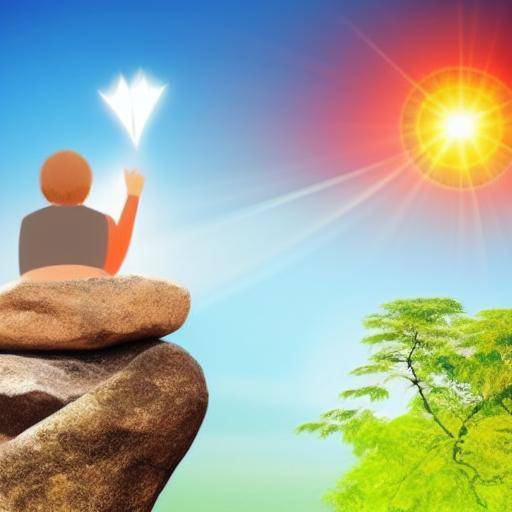
Visualization is a powerful tool that allows us to develop gratitude and emotional well-being. Through visualization techniques, we can cultivate a sense of appreciation for what we have in our lives, which positively impacts our mental and emotional health. In this article, we will explore in detail how visualization can be used to foster gratitude, providing an integral vision, current trends and practical advice to apply this tool in everyday life.
Introduction
Visualization as a practice to achieve emotional well-being and foster gratitude has begun to gain popularity in recent years. This technique is based on the premise that the mind and body are intimately connected, and that visualizing positive situations can have a significant impact on our mood and life perspective.
In this article, we will explore the origin and evolution of visualization, the benefits it brings in terms of gratitude and emotional well-being, as well as practical advice to integrate it into everyday life. We will also examine current trends in the field of visualization, along with expert opinions and future predictions on their impact on emotional health.
History and Background
Visualization as a practice goes back to ancient times, where civilizations like Greek and Egyptian already recognized the power of the mind over the body. However, its contemporary application was popularized in the 1970s, when it began to be used in fields such as high-performance sport and psychology.
Since then, visualization has evolved as a tool to achieve goals, overcome obstacles and foster gratitude. Various psychological and spiritual currents recognize their effectiveness in personal development and stress management. Cases have been documented where visualization has been fundamental in disease recovery, the management of negative emotions and the promotion of gratitude.
Analysis in Deep
Visualization has positioned itself as an effective practice to promote emotional well-being and gratitude. Numerous studies support their benefits, including improved resilience, reduced stress and anxiety, as well as strengthening self-confidence. In visualizing positive scenarios and expressing gratitude for the blessings present in life, a positive attitude that directly impacts personal well-being is encouraged.
In addition, visualization can be adapted to different contexts, from personal to professional. In sports practice, for example, elite athletes use visualization to improve their performance and strengthen their gratitude for the training process. In the workplace, visualization has been used to enhance creativity, problem solving and job satisfaction.
Neuroscience also supports the effectiveness of visualization to foster gratitude, showing that by imagining positive situations, our brain releases neurotransmitters associated with emotional well-being. This suggests that visualization not only impacts our mood, but can also have physiological effects.
Comprehensive review
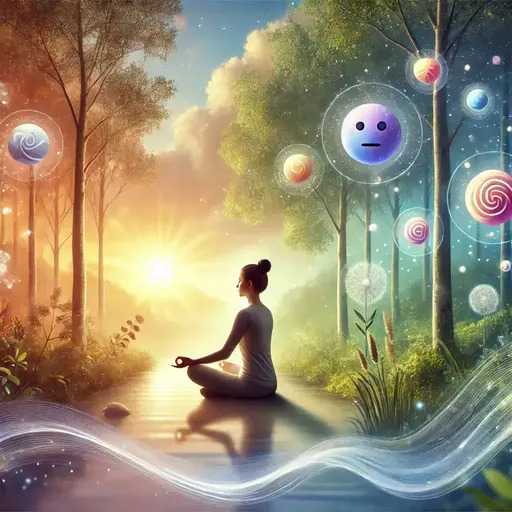
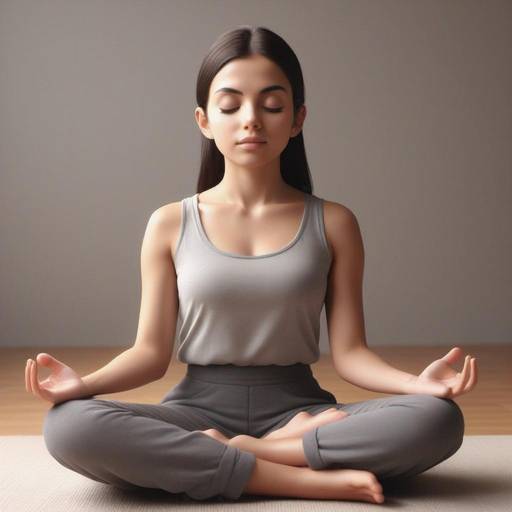
Visualization can be practiced in various ways, from guided meditation to the writing of journals of gratitude. These approaches offer different tools to develop the ability to appreciate the positive in our lives, thereby strengthening our gratitude.
Experts in positive psychology and personal development have emphasized the importance of integrating visualization into the daily routine as a way of cultivating a greater sense of gratitude. By focusing on what we value and appreciate, we create a multiplier effect that promotes a more positive and satisfying state of mind.
Comparative analysis
The relationship between visualization, gratitude and emotional well-being is evident, since visualization favors the connection between the individual and his emotions, allowing deeper appreciation of positive experiences, which in turn strengthens gratitude and emotional well-being. Visualization invites us to focus on what we value and appreciate, allowing us to cultivate a sense of appreciation for what we often take for granted in our daily lives.
Practical Tips and Recommendations
To integrate visualization in the quest to strengthen gratitude and emotional well-being, it is useful to consider some practical recommendations. Among them:
- Guided Meditation: Dedicates a few minutes a day to practice visualization through guided meditation, focused on scenes and emotions that give you gratitude.
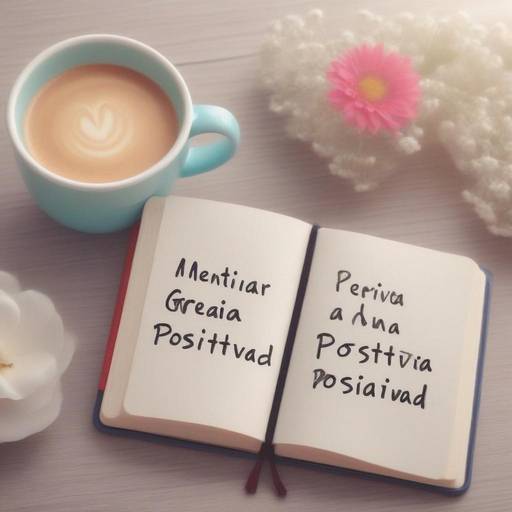
- Gratitude Journal: Take a diary where you write down three things for which you feel grateful every day, using visualization to deepen the details of these experiences.
- Creative visualization: Use visualization to imagine and shape your goals and objectives, thereby strengthening the connection between your aspirations and your gratitude for the journey.
- Acknowledgement rituals: Create daily or weekly rituals that allow you to express your gratitude, like lighting a candle while you visualize the blessings present in your life.
By integrating these visualization practices into your daily routines, you can experience a greater sense of emotional well-being and a more positive disposition to life, while strengthening your gratitude for what surrounds you.
Perceptions of Industry and Expert Reviews
The impact of visualization on the promotion of gratitude and emotional well-being has attracted the attention of experts in psychology, personal development and well-being. Many agree that the practice of visualization can be a powerful tool to change mental and emotional patterns, promoting more positive moods and greater appreciation of life.
Some experts highlight that the combination of visualization with gratitude exercises can further enhance its impact, generating a synergistic effect that strengthens the emotional connection with the positive in everyday life. This combination can be especially beneficial at times of adversity, allowing a balanced and constructive perspective to face the challenges.
Case Studies and Practical Applications
There are many examples of real cases where visualization has had a significant impact on strengthening gratitude and emotional well-being. From people who have surpassed traumatic experiences to business leaders who have applied visualization as a tool to strengthen the connection with their teams, testimonies demonstrate the versatility and effectiveness of this practice.
In addition, visualization has been applied in educational, therapeutic and personal development environments, showing promising results in terms of promoting a greater sense of gratitude and emotional well-being in participants. These cases of practical application reinforce the relevance and effectiveness of visualization as a tool to enhance gratitude in various contexts.
Future Trends and Predictions
As awareness of the importance of emotional health and mental well-being grows, visualization and its application in the promotion of gratitude are expected to become more relevant in society. The integration of visualization in areas such as health, education and work promises to provide effective tools to strengthen emotional resilience and sense of purpose in people.
Technology is expected to play an important role in the evolution of visualization, with the creation of interactive applications and tools that facilitate its practice and monitoring. It is also expected that visualization will be more holistically integrated into personal development and well-being programmes, thereby promoting their long-term impact on society.
Conclusions
Visualization emerges as a powerful tool to promote gratitude and emotional well-being, offering an effective way to strengthen the connection between the individual and his positive experiences. By integrating visualization into our daily lives, we can cultivate a deeper sense of appreciation for what surrounds us, which in turn positively influences our emotional health and general well-being.
FAQs
How can I practice visualization to encourage gratitude?
Visualization to promote gratitude can be practiced through guided meditation, writing a journal of gratitude, creative visualization of goals and through rituals of gratitude.
What are the benefits of integrating visualization into the daily routine?
The integration of visualization into the daily routine can promote a greater sense of gratitude, reduce stress and anxiety, strengthen self-confidence and promote a more positive attitude towards life.
Is visualization only a spiritual practice or also has scientific foundations?
While visualization has roots in spiritual practices, neuroscience supports its effectiveness by demonstrating that it impacts the functioning of the brain and the release of neurotransmitters associated with emotional well-being.
What is the difference between visualization and meditation?
While meditation may include visualization, not all types of meditation focus on visualization. Visualization is specifically the practice of creating positive and detailed mental images.
Can visualization help in moments of adversity or stress?
Yes, visualization can serve as a tool to maintain a balanced and positive perspective against challenges, strengthening emotional resilience and the ability to face difficult situations.
Is there scientific evidence to support the effectiveness of visualization in the promotion of gratitude?
Yes, many studies support the benefits of visualization in the promotion of gratitude and emotional well-being, showing positive effects both emotionally and physiologically.
Visualization is positioned as a valuable tool on the road to a more full and rewarding life, strengthening the connection with our positive experiences and promoting a state of constant gratitude. By consciously integrating and regulating visualization into our daily routines, we can cultivate an attitude of gratitude that enriches our quality of life and emotional well-being.
With conclusions like these, it is clear that visualization has the potential to transform our perception of life, strengthening our ability to appreciate and celebrate the good things around us.