Visualization is a powerful tool that, combined with gratitude, can significantly enhance personal development. In this article, we will explore in depth the visualization, its connection with gratitude and how together they can positively impact our lives. From its historical origins to future trends, we will examine case studies, practical advice and expert opinions. Join us on this journey to discover how you can incorporate visualization and gratitude into your daily life to achieve greater well-being and personal growth.
Introduction
The practice of visualization has become increasingly relevant in the field of personal development, psychology and emotional well-being. By combining it with gratitude, a powerful tool is created to channel positive thoughts and strengthen the mind-body connection. In this article, we will explore how visualization can enhance gratitude and, in turn, how gratitude can enrich the practice of visualization. You will learn not only about their benefits and applications, but also about practical advice to integrate these techniques into your everyday life.
History and Background
The practice of visualization has its roots in ancient spiritual and philosophical traditions in various cultures around the world. From meditation practices in Hinduism and Buddhism to mental approach techniques in Greek philosophy, visualization has been a fundamental part of human development. Throughout history, visionaries and leaders have used visualization to manifest their goals and dreams, giving them a status of relevance in the field of personal development and success.
Analysis in Deep
Visualization, like gratitude, has been the subject of numerous scientific studies that support its positive impact on physical and emotional health. The ability to visualize to influence mood, stress reduction and performance improvement has been widely documented. On the other hand, gratitude has been linked to higher levels of satisfaction with life, stronger relationships and better mental health. By combining both practices, a synergistic effect has been observed that enhances their individual benefits.
Comprehensive review
Visualization and gratitude find application in various aspects of life, from health and personal well-being to professional success and the realization of goals. Multiple experts in the field of personal development have advocated the integration of these practices as an effective way of overcoming obstacles, building resilience and strengthening self-esteem. The focus on viewing not only of material goals, but also of internal welfare states, is at intersection with gratitude and its ability to enhance the appreciation of what already exists.
Comparative analysis
While visualization and gratitude have different approaches, both share the power to influence the perception and interpretation of reality. While visualization focuses on the mental creation of a desired scenario, gratitude focuses on recognizing and appreciating how positive it is already present in our lives. By combining these practices, a balance is achieved between the projection of future goals and the recognition and valuation of the existing ones in the present.
Practical Tips and Accessible Tips
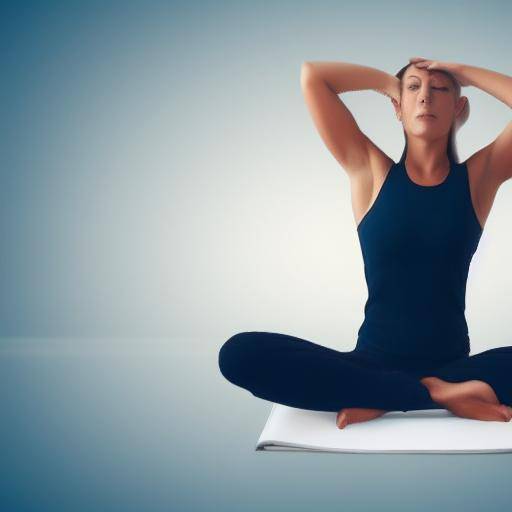
To incorporate visualization and gratitude in your day to day, it is essential to establish a routine that includes moments of reflection and practices focused on the manifestation of objectives and gratitude. The creation of a quiet space for visualization, the possession of a journal of gratitude and the practice of mindfulness exercises are some of the effective strategies you can implement. By focusing on your goals with positive visualization and appreciating what you already have through gratitude, you will be creating a virtuous powerful circle that will strengthen your well-being and personal development.
Industry Perspectives and Expert Reviews
Recognized experts in positive psychology, personal development and coaching have supported the combination of visualization and gratitude as an effective tool for personal growth. Their testimonies and experiences support the importance of maintaining a positive and grateful approach to the challenges and goals to be achieved. In addition, leaders in fields such as entrepreneurship, sport and leadership have shared how visualization and gratitude have been fundamental in their achievements and resilience.
Case Studies and Real Life Applications
The integration of visualization and gratitude in various areas of life, such as health, interpersonal relationships and career, has shown significant effects on well-being and success. Examples of individuals who have overcome limitations, reached bold goals and maintained a positive attitude through these practices provide inspiration and exemplify their transformative potential.
Future Trends and Predictions
As collective awareness of the importance of emotional well-being and personal development continues to grow, the integration of visualization and gratitude is expected to become a more widespread practice. The combination of guided visualization techniques, meditation and gratitude exercises is a key tool in promoting resilience, self-esteem and a positive mentality in the face of the challenges of today's world.
Conclusion
Visualization and gratitude are powerful practices that, being combined, can transform the way we perceive and live our lives. By cultivating a mentality focused on positive goals and thanks for what we already have, we can open ourselves to a world of possibilities and personal growth. Incorporating visualization and gratitude in our daily routine allows us to enhance our resilience, self-esteem and emotional well-being, strengthening our ability to face challenges and achieve our goals with a positive and focused attitude.
FAQs
1. How can I begin to practice visualization and gratitude in my daily life?
To start, you can spend a few minutes each day to visualize your goals and aspirations in detail, preferring a quiet and undistractioned place. At the same time, you can carry a diary of gratitude where you write the things for which you feel grateful, from the simplest to the most significant.
2. Are there applications or resources that help me practice visualization and gratitude?
Yes, on the market there are numerous applications and resources available that offer guided meditations, visualization exercises and gratitude journals. These tools can be useful for those seeking additional support in their daily practices.
3. How can I overcome the initial resistance to visualization and gratitude if I find it difficult to practice?
It is normal to find resistance at first, especially if these practices are new to you. Taking time to learn about benefits and listening to the experiences of others who have found value in these practices can help overcome initial resistance and encourage motivation.
4. How long should I devote to visualization and gratitude to experience tangible benefits?
There is no strict rule of time, but dedicating at least 10-15 minutes a day to visualization and gratitude can provide significant short- and long-term benefits. Consistency and commitment to practice are key to experiencing positive results.
5. Are there specific visualization techniques that are especially effective?
Some visualization techniques that have proven to be effective include first-person visualization, where you imagine experiencing your goals from your own perspective, and sensory visualization, which incorporates all the senses to create a vivid mental image.
6. Are there limitations on who can benefit from visualization and gratitude?
In general, visualization and gratitude are practices that can benefit anyone, regardless of their age, gender or personal status. However, it is important to consider that some people may need to adapt the techniques to their specific situation, and in cases of mental health disorders, it is advisable to seek professional guidance.
Conclusion
Visualization and gratitude are powerful tools that, when combined with intent and commitment, have the potential to significantly transform our perception, thoughts and well-being. By practicing visualization with a focus on achieving positive goals and cultivating gratitude for what is already present in our lives, we can strengthen our resilience, self-esteem and emotional well-being. By incorporating these practices into our daily routine, we can open ourselves to a world of possibilities and personal growth, strengthening our ability to face challenges and achieve our goals with a positive and focused attitude.