Introduction
In life, conflicts are inevitable. Whether at work, family or social level, the ability to resolve disputes in a peaceful and effective manner is essential to maintaining healthy relationships. Mediation is a valuable tool to manage and resolve conflicts constructively, fostering communication, mutual understanding and cooperation.
In this article, we will explore in depth what mediation is, how it is used in conflict resolution and what are the interpersonal skills necessary to be an effective mediator. We will discover the history and evolution of mediation, analyze its benefits and challenges, provide practical advice, explore industry experts and we will glimpse future trends in this field.
History and Background of Mediation
Mediation has its roots in ancient Greek and Roman cultures, where it was used to resolve legal and community disputes. However, it was in the 1960s when mediation began to gain popularity as an alternative method of resolving conflicts, especially in the family and community spheres. Today, mediation has evolved to cover a wide range of disputes, including trade, labour and civil disputes.
One of the significant milestones in the history of mediation was the adoption of the United Nations Convention on International Conciliation Agreements Outcomes of a Mediation in 1980, which laid the basis for the resolution of international disputes through mediation.
Analysis in Deep Mediation
Mediation offers many benefits, including flexibility, confidentiality, process control by the parties involved and the possibility of preserving interpersonal relationships. However, it also presents challenges, such as the need for a highly trained mediator, the asymmetry of power between the parties and the possibility that the process does not reach a satisfactory agreement.
Comprehensive Review of Mediation
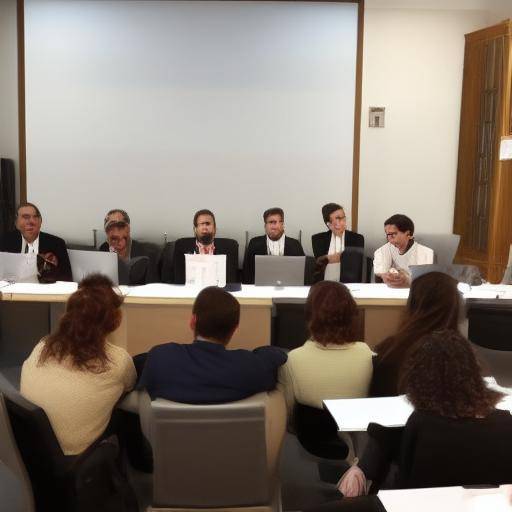
In practice, mediation is applied in a variety of contexts, from family disputes to business conflicts, and requires a specific set of interpersonal skills to be effective. Empathy, active listening, impartiality and capacity to generate creative resolution options are fundamental to a successful mediator.
Comparative Analysis between Mediation, Conflict Resolution and Interpersonal Skills
Mediation, conflict resolution and interpersonal skills are closely related but are distinguished by their approaches and objectives. While mediation is a structured process to facilitate dialogue and achieve mutually beneficial agreements, conflict resolution encompasses a broader set of methods and techniques used to handle disputes. Interpersonal skills, on the other hand, constitute the basis on which mediation and conflict resolution are built, as they are essential for establishing trust and promoting effective communication.
Practical Tips and Accessible Tips
To develop mediation skills, it is important to practice active listening, improve empathy and learn nonviolent communication techniques. In addition, receiving specialized mediation training can provide a solid basis for those who wish to engage in this profession.
Perceptions of Industry and Expert Reviews
Mediation and conflict resolution experts comment on the importance of mediation in the current climate, highlighting its role in reducing the burden of the courts and restoring damaged relationships. They also express their optimism about the future potential of mediation in resolving global disputes.
Case Studies and Practical Applications
Real cases show how mediation has been effective in complex situations, such as labor disputes, family conflicts and trade disputes. These examples illustrate the versatility of mediation and its ability to adapt to different environments.
Future trends and forecasts
As society evolves, mediation will continue to play a crucial role in conflict resolution. There is an increase in mediation in sectors such as health, education and justice, as well as greater recognition of the importance of mediation skills in personal and professional development.
Conclusion
In short, mediation is a powerful tool to resolve conflicts peacefully and constructively. By understanding its history, benefits and applications, as well as by developing key interpersonal skills, you can make a big breakthrough in effective dispute resolution. Mediation not only offers an alternative approach to litigation, but also promotes stronger and more collaborative relationships between the parties involved.
Frequently asked questions
1. What does a mediator do in the mediation process?
A mediator acts as a neutral facilitator that helps conflict parties communicate effectively, explore mutually satisfactory options and reach agreements that resolve their disputes.
2. What are the key qualities of a successful mediator?
The impartiality, empathy, active listening capacity, creativity in the generation of solutions and the ability to manage conflicts are fundamental qualities for an effective mediator.
3. What is the difference between mediation and conflict therapy?
Mediation focuses on facilitating communication between parties to conflict and exploring mutually acceptable solutions, while conflict therapy addresses the underlying emotions and behaviour patterns that contribute to the dispute.
4. Is mediation appropriate to resolve conflicts in business environments?
Yes, mediation is increasingly used in the business arena to resolve disputes between employees, business partners and customers, as it offers an effective and efficient alternative to litigation.
5. Does mediation always lead to an agreement?
While the goal of mediation is to reach a mutually satisfactory agreement, not all mediation sessions culminate in a final agreement. However, the mediation process often lays the groundwork for a subsequent resolution of the conflict.
6. How can I improve my mediation skills?
The constant practice of active listening, the development of empathy and the search for mediation training opportunities are key steps to improve mediation skills.
Concluding, developing mediation skills to resolve conflicts is fundamental in various spheres of life. Understanding the history, benefits and challenges of mediation, as well as perfecting key interpersonal skills, promotes effective conflict management and building healthy relationships. This article provides a detailed and enriching view on how mediation can be a transformative tool in dispute management and resolution.