Introduction
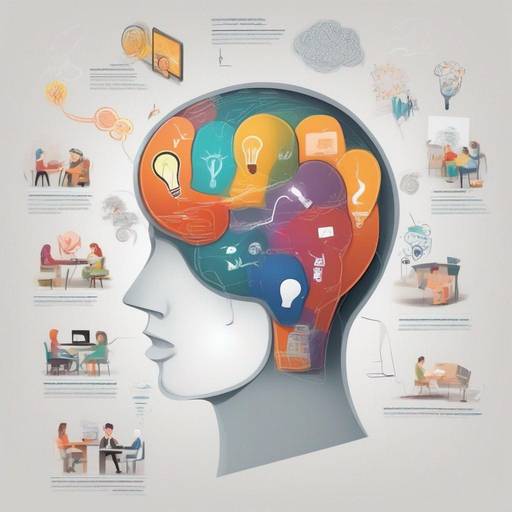
In everyday and professional life, the ability to solve problems effectively is fundamental to achieving personal progress. From resolving interpersonal conflicts to addressing labor challenges, the ability to analyze situations and find creative solutions is essential. In this article, we will explore in detail the importance of developing problem-solving skills in the context of evaluating personal progress. We will discover how these skills impact personal development and offer practical advice to improve them.
History and Background
Troubleshooting is a skill that has been fundamental throughout human history. From the crisis resolution in ancient Greece to modern scientific advances, the capacity to address challenges has been a constant in the progress of society. During the Industrial Revolution, problem solving became a crucial focus, as technological advances required solutions to complex challenges.
At present, globalization and technological evolution have redefined the nature of the problems we face, requiring adaptable and creative skills for their solution. The evaluation of personal progress has become a key element in measuring the impact of these skills in labor, academic and personal contexts.
Deep analysis
Problem solving and evaluation of personal progress offer a number of significant benefits. Developing troubleshooting skills stimulates critical thinking, fosters creativity and increases the ability to make informed decisions. In turn, the evaluation of personal progress allows us to identify areas of improvement, establish clear goals and measure the impact of the solutions implemented.
Despite these benefits, facing problems can be challenging. Pressure, lack of resources and complexity of challenges are just some of the difficulties that may arise. In addition, the evaluation of personal progress often requires an honest and self-critical vision, which can be uncomfortable for some people.
Comprehensive review
To effectively apply problem solving skills and evaluate personal progress, it is crucial to follow best practices. Clear identification of the problem, the collection of relevant information and the generation of creative solutions are essential stages in the process. Similarly, establishing significant metrics, regularly reviewing progress and adjusting strategies as necessary are key aspects of evaluating personal progress.
However, different contexts may require specific approaches. For example, the working environment can demand a more results-oriented problem resolution, while in the academic field the assessment of progress can include the monitoring of learning objectives or the development of skills.
Comparative analysis
Problem solving, evaluation of personal progress and personal development are intrinsically related. While troubleshooting focuses on finding solutions to specific challenges, evaluating personal progress allows measuring the impact of these solutions on individual growth. On the other hand, personal development encompasses a broader approach, including emotional, professional and personal growth.
The similarities between these concepts lie in the need for reflection, adaptability and continuous learning. In understanding the intersection of these elements, it is possible to develop integrated strategies that promote personal progress in a holistic manner.
Practical Tips and Accessible Tips
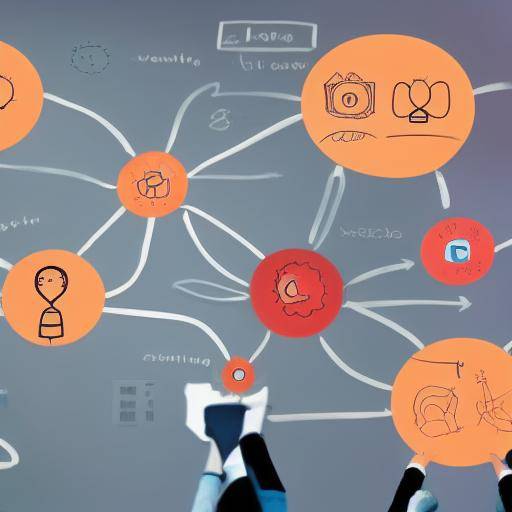
Developing problem solving skills and evaluating personal progress requires a combination of theoretical and practical approaches. Some effective strategies include the use of problem solving techniques such as cause-effect analysis, brainstorming or modeling. Also, setting SMART targets (specific, measurable, achievable, relevant and time) provides a clear framework for evaluating personal progress.
- Identifies Challenges: Identify the challenges you face at a personal, professional or academic level. It clearly sets out the problem or area of improvement you want to address.
- Analyze Causes: Deepen the underlying causes of the problem. Understanding the roots of the challenge will allow you to develop more effective and lasting solutions.
- Generating Creative Solutions: Use innovative and creative approaches to develop practical solutions. Consider different perspectives and do not discard unconventional ideas.
- Establish Progress Metrics: Define clear and measurable indicators to help you assess the impact of your actions. Setting attainable goals will allow you to measure progress effectively.
- Adjust Strategies: Periodically review your approach and adjust strategies as needed. Flexibility is key to adapting to unexpected changes or discoveries during the process.
Industry Perspectives and Expert Reviews
Experts ' perspectives on problem-solving and personal development provide a valuable insight into current and future trends. According to experts in the field, the ability to effectively address challenges has become one of the most valued attributes in working and academic environments. In addition, the evaluation of personal progress has become fundamental to the development of managerial and leadership skills.
Case Studies and Practical Applications
Specific examples of problem solving skills and evaluation of personal progress provide a clearer understanding of these concepts in action. From the implementation of conflict resolution strategies in working environments to the monitoring of professional development over time, case studies offer practical ideas and relevant lessons.
Future Trends and Predictions
Emerging trends in problem solving and evaluation of personal progress point to a greater focus on emotional intelligence, data-based decision-making and critical thinking skills development. In addition, technological advances are driving the adoption of specialized tools and software to improve efficiency in problem solving and evaluating personal progress.
Conclusions
In short, the development of problem-solving skills and the evaluation of personal progress are essential aspects of enhancing growth and development both at the personal and professional levels. By understanding the intersection of these concepts and implementing effective strategies, progress towards challenging goals is possible. In addition, the adoption of innovative approaches and the constant search for continuous improvement are critical to addressing the challenges of the current and future world.
Frequently asked questions
1. How can I improve my troubleshooting skills?
To improve your troubleshooting skills, you can practice clear identification of problems, generation of innovative solutions and constant evaluation of results. Regular practice and learning specific techniques such as side thinking and design approach will help you perfect these skills.
2. What is the importance of evaluating personal progress in professional development?
The evaluation of personal progress is crucial in professional development, as it allows to identify areas of improvement, establish clear goals and measure the impact of actions. This evaluation provides a solid basis for informed decision-making and continuous professional growth.
3. What role does personal development play in problem solving?
Personal development influences problem solving by boosting emotional growth, acquiring interpersonal skills and developing emotional intelligence. These aspects are key to addressing complex challenges involving human and emotional aspects.
4. How can I effectively measure my personal progress?
You can effectively measure your personal progress by setting specific goals, monitoring your performance over time and making adjustments as needed. The use of tools such as checklists, achievements records and feedback from trusted people can also be useful in this process.
5. What are some common challenges in evaluating personal progress?
Some common challenges in evaluating personal progress include lack of clear metrics, resistance to change, excessive self-criticism and the difficulty in maintaining long-term motivation. Recognizing these challenges will enable you to proactively address them.
6. What is the impact of troubleshooting on decision-making?
Problem solving significantly influences decision-making by fostering critical thinking, the ability to evaluate different options and the ability to find effective solutions. These skills are fundamental to informed and strategic decision-making.
Conclusion
In conclusion, the development of problem-solving skills and the evaluation of personal progress are critical aspects of individual and professional growth. In understanding the importance of effectively addressing challenges and systematically measuring the impact of actions, significant progress is possible. By adopting innovative approaches, continuing reflection and seeking learning opportunities, you can enhance your ability to face challenges and achieve success in different aspects of life.
With this complete guide on troubleshooting skills development and personal progress assessment, you will be prepared to face challenges with confidence and measure your growth effectively.
In short, the development of problem-solving skills and the evaluation of personal progress are essential aspects to enhance growth both at the personal and professional levels. By adopting innovative approaches, continuing reflection and seeking learning opportunities, you can enhance your ability to face challenges and achieve success in different aspects of life.