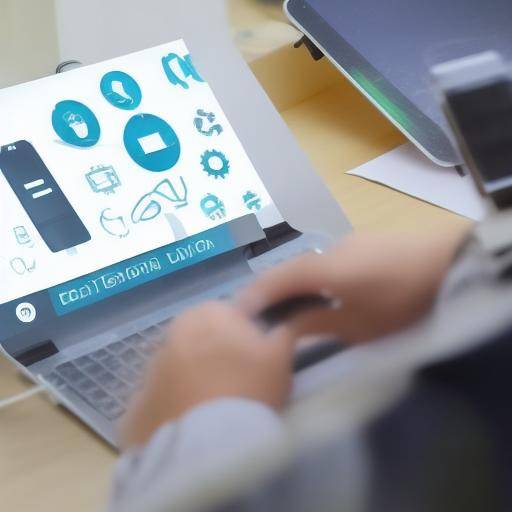
Technological evolution has transformed the way companies design and implement their flexible plans. From data digitization to the development of innovative tools, technology has played a crucial role in the flexibility of business. In this article, we will explore the link between technology, flexible planning and digital tools, analyzing their impact and offering a detailed view of how organizations can leverage these trends to achieve a more adaptable and efficient approach.
Introduction
In the current era, business planning has undergone significant change. The need for constant adaptation to changing environments and the demand for entrepreneurship have led to the emergence of flexible planning. This approach offers companies the ability to adjust strategies, resources and targets according to market conditions, thus maintaining a competitive advantage. Technology has been a key enabler in this evolution, facilitating efficient resource management, real-time data collection and process optimization.
In the next sections, we will explore in detail how technology has impacted the creation of flexible plans, examining their evolution, practical applications, challenges and future trends.
History and Background
The relationship between technology and flexible planning has its roots in the emergence of the digital era. With significant progress in data collection, storage and processing, organizations began to explore new ways of adapting their strategies to stay agile in a dynamic business environment.
Homes of Business Digitalization
The first signs of this transformation date back to the mid-20th century, with the adoption of computer systems to automate basic business processes. As computers became more accessible and powerful, companies began to explore how they could use technology to improve efficiency and flexibility in their operations.
In the 1980s, the emergence of the first enterprise resource planning solutions (ERP) marked an important milestone in integrating technology into business management. These systems enabled companies to consolidate and manage key data, providing a sound basis for informed decision-making and strategic planning.
Digital transformation and agile planning
As the twenty-first century advanced, digital transformation became a key driver of flexible planning. The emergence of disruptive technologies, such as real-time data analysis, artificial intelligence and automatic learning, opened up new possibilities for organizations in terms of agile adaptation and data-based decision-making.
The agile methodology, originally conceived in the field of software development, began to extend to other areas of business, promoting flexibility, collaboration and incremental value delivery. The adoption of agile project management methodologies became a common practice, allowing companies to adjust their real-time approaches to meet changing market demands.
Data-based strategies
Data proliferation in the digital age has also had a significant impact on flexible planning. Companies have resorted to advanced analytics technologies to unravel valuable insights from massive data sets, allowing a deep understanding of market trends, consumer behaviour and competitive conditions.
The application of predictive algorithms and scenario analysis has strengthened the ability of organizations to anticipate changes and quickly adapt their strategies accordingly. The integration of business intelligence systems and control panels has allowed clear and accessible data visualization, training business leaders to make agile and evidence-based decisions.
Analysis in Deep
The impact of technology on flexible planning is intrinsically linked to the empowerment of organizations to face challenges and capitalize on opportunities in a dynamic business environment. Let us examine further the current benefits, challenges and trends associated with this vital interaction.
Benefits of technology in flexible planning
The integration of technology into flexible planning has generated a number of tangible benefits for organizations. First, the ability to collect and analyze data in real time has allowed companies to quickly detect changes in market trends, consumer behaviour and competitive conditions, which gives them a strategic advantage in decision-making.
In addition, process automation through digital tools has improved operational efficiency, reducing the time and resources needed to adjust strategies and execute changes. The implementation of integrated planning systems has facilitated alignment between different business functions, fostering more effective coordination in the implementation of flexible plans.
Key challenges and considerations
Despite the obvious benefits, the integration of technology into flexible planning is not without challenges. The dependence on digital systems for strategic decision-making raises concerns about data reliability and security. Protection against cyberattacks, data integrity and privacy are critical considerations that need to be addressed with careful attention.
The adoption of technology also requires significant cultural and organizational change. The resistance to change, the lack of digital skills and the need to train employees to use new tools are common obstacles that organizations face by incorporating technology into flexible planning.
Current and future trends
The current scenario of technology in flexible planning is marked by the continuous evolution of tools and approaches that seek to improve the agility and adaptability of companies. The integration of artificial intelligence and automatic learning in decision-making, the expansion of the Internet of Things (IoT) to collect real-time data, and the adoption of cloud-based solutions for strategy planning and implementation, are trends that are shaping the future of technology-assisted flexible planning.
Comprehensive review
The practical implementation of technology in flexible planning encompasses a variety of functional areas and industrial sectors. From supply chain management to digital marketing strategy, organizations are applying innovative technological approaches to optimize their operations.
Case studies and best practices
Various case studies show how leading companies have capitalized technology to improve flexible planning. Examples such as the use of predictive algorithms to anticipate market demand in the retail sector, the implementation of real-time inventory management systems in the manufacturing industry, and the adoption of cloud-based collaborative platforms for project management in service organizations illustrate how technology has driven business agility through various application scenarios.
Perspectives of future experts and prospects
Business management experts have emphasized the importance of adopting a holistic approach to integrating technology into flexible planning. The alignment of strategic goals with the selection and application of appropriate digital tools is essential to maximize the value generated by technology investments. In addition, anticipation of emerging trends, such as massive customization driven by artificial intelligence and dynamic adaptation of the workforce through digitalization, is a key element in the future landscape of technology-based flexible planning.
Comparative analysis
The intersection of technology, flexible planning and digital tools provides fertile ground for exploring similarities, differences and synergies among these critical components of business management.
The role of technology in flexible planning
Technology plays a key role in creating flexible plans by providing tools and systems that enable organizations to collect, analyse and act on real-time data. The integration of advanced technologies, such as automatic learning and artificial intelligence, has significantly expanded the ability of companies to anticipate changes, identify patterns and optimize their strategies agilely.
Flexible planning and digital tools
Digital tools, from collaborative platforms to project management systems, are crucial enablers of flexible planning by providing organizations with the ability to dynamically adjust their processes and resources in response to changing demands. These tools allow efficient communication, optimal task management and real-time monitoring, paving the way for successful implementation of flexible strategies.
Practical Tips and Accessible Recommendations
Effective integration of technology into flexible planning requires a strategic and practical approach. Practical advice and actionable recommendations are presented below to help organizations make the most of this synergy.
- Evaluate technological needs: Executing a comprehensive assessment of current and future technology needs that will support flexible planning is critical to selecting the most appropriate digital tools.
- Training and skills development: Investing in the training and development of digital skills for employees is essential to ensure that they can effectively adopt and use technology tools associated with flexible planning.
- Implementing a digital governance framework: Establishing a clear digital governance framework that addresses security, data integrity and access policies is critical for mitigating risks and ensuring the reliability of technology used in flexible planning.
Industry Perspectives and Expert Reviews
The voices of experts and industry leaders offer valuable insights on the intersection between technology and flexible planning, as well as the future implications of this union.
Interviews and Trend Analysis
Interviews with business leaders and technology experts provide valuable insights on how organizations can capitalize on technology to strengthen flexible planning. Trend analysis highlights future directions that the integration of technology and flexible planning could take, providing a holistic view of the opportunities and challenges ahead.
Case Studies and Real Life Applications
The practical application of technology in flexible planning is illustrated through case studies that detail how various organizations have achieved competitive advantages through strategic adoption of digital tools in their planning and implementation processes.
Examples of Various Sectors and Contexts
Case studies cover a variety of sectors, from retail to manufacturing and financial services, demonstrating the versatility and widespread impact of technology on flexible planning. Details on the challenges faced, the solutions implemented and the results achieved provide a practical and insightful view of the synergy between technology and flexible planning.
Future Trends and Predictions
The futuristic landscape of technology-driven flexible planning provides a vision of the coming transformations and opportunities that are visible on the business horizon.
Disruption and Adaptation Factors
The continued evolution of emerging technologies, the demand for business adaptability and changing market dynamics will influence how organizations design and implement flexible plans in the future. The identification of disruption and adaptation factors provides an educated understanding of the drivers that will shape the paradigm of flexible planning in the coming years.
Conclusions
Intersection between technology, flexible planning and digital tools has paved the way for meaningful transformation in contemporary business practices. In anticipating and adapting to changes in the competitive environment through strategic technology integration, organizations can achieve a sustainable competitive advantage and respond quickly to market demands.
Frequently asked questions
1. What is the role of technology in flexible planning?
Technology plays a crucial role in providing organizations with tools and systems that enable them to collect and analyse data in real time, facilitating agile decision-making and strategic adaptation.
2. What are the main benefits of using digital tools in flexible planning?
The use of digital tools in flexible planning offers benefits such as improved operational efficiency, capacity to anticipate changes in the business environment and facilitation of effective coordination among different business functions.
3. What challenges are presented when integrating technology into flexible planning?
Some challenges include data security and integrity, resistance to organizational change and the need to train employees to use new technology tools.
4. What are future trends in technology integration and flexible planning?
Future trends include the application of artificial intelligence and automatic learning in decision-making, the expansion of the Internet of Things to Collect Real-time Data, and the adoption of cloud-based solutions for strategy planning and implementation.
5. What is the importance of digital skills training and development in the context of flexible planning?
Training and development of digital competencies are key to ensuring that employees can effectively adopt and use technology tools associated with flexible planning, thus maximizing the value generated by technology investments.
6. What is the impact of technology integration on flexible planning in different industrial sectors?
The integration of technology in flexible planning has had a significant impact on a variety of sectors, from supply chain management to digital marketing strategy, improving business agility and adaptive capacity to business environment changes.
Concluding, successful integration of technology into flexible planning offers organizations the agility and ability to adapt to changing challenges, placing them optimally to thrive in a dynamic and complex business environment.