Reciprocity is an essential component in the relationship between mentor and mind, also known as mentoring. This relationship is intrinsically linked to personal and professional relationships, as it implies a mutual exchange of knowledge, support and guidance. In this article, we will thoroughly explore the importance of reciprocity in the mentor-mining relationship, examining its history, benefits, challenges, practical applications, future trends and much more.
Introduction
The mentor-mining relationship is one of the most powerful forms of personal and professional learning and development. The reciprocity in this relationship is fundamental to mutual growth, as the mentor shares his experience and knowledge, while the mind provides his energy, fresh perspective and willingness to learn. Throughout this article, we will discover how reciprocity strengthens this relationship and contributes to the success of both the mentor and the mind.
History and Background
The history of mentoring dates back to ancient times, where the teachings were transmitted from generation to generation. In ancient Greece, for example, the importance of mentoring in personal education and development was recognized. Over time, mentoring has evolved and adapted to different contexts and cultures, becoming a fundamental pillar in the business, academic and personal world.
The concept of reciprocity in mentoring has become increasingly relevant, as it has been shown that a symbiotic relationship between mentor and mind is fundamental to personal and professional growth and development. Establishing a reciprocity relationship implies a mutual commitment to learning and support, which in turn strengthens the link between the two parties.
Deep analysis
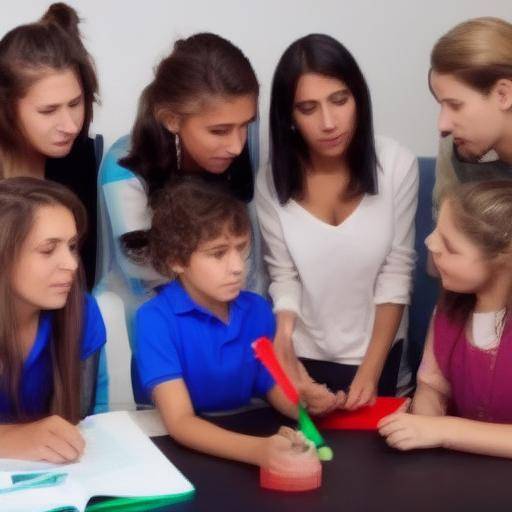
Today, reciprocity in the mentor-minded relationship offers a number of benefits for both the mentor and the mind. On the one hand, the mentor has the opportunity to learn from the unique perspective of his mind, which can lead to new ideas and approaches. On the other hand, the mind benefits from the experience and knowledge of the mentor, which accelerates its growth and development.
Despite the obvious benefits, reciprocity in mentoring also poses challenges. For example, there can be a disparity in knowledge sharing, where the mentor feels he is giving more than he receives or vice versa. It is essential to recognize and address these challenges in order to maintain a balanced relationship and mutual benefits.
Comprehensive review
The application of reciprocity in the mentor-mining relationship extends to various fields, including the business world, education and the personal sphere. It is essential to consider best practices to promote reciprocity, such as establishing clear expectations, fostering open communication and creating an environment of mutual trust. In addition, it is important to constantly assess the effectiveness of the relationship to maintain a constructive balance.
By analyzing the different methods and approaches to foster reciprocity, we can identify emerging trends that are reshaping the dynamics of the mentor-mining relationship. For example, technology has facilitated the connection between people from different parts of the world, expanding opportunities to establish reciprocity-based mentoring relationships.
Comparative analysis
Reciprocity in the mentor-minded relationship shares similarities with other types of personal and professional relationships, such as friendship, collaboration and leadership. However, it also presents significant differences in its specific nature and the roles that the mentor and mind play. It is crucial to understand these differences to establish realistic expectations and maximize the benefits of the relationship.
Practical Tips and Accessible Recommendations
To foster reciprocity in mentor-mining relationships, it is essential to establish clear expectations from the outset and maintain open and honest communication. Both parties must be willing to share knowledge, experiences and perspectives constructively, creating an environment in which both parties feel valued and empowered. Some practical councils include setting clear goals and objectives, scheduling regular meetings, and seeking opportunities to learn from each other.
Perspectives of Industry and Opinion of Experts
Experts in the field of mentoring underscore the importance of reciprocity as a fundamental pillar for the success of the mentor-mining relationship. Their opinions and experiences enrich our understanding of how reciprocity strengthens the fabric of mentoring and contributes positively to personal and professional growth.
Case Studies and Real Life Applications
Let us examine several successful cases that illustrate the effective application of reciprocity in the mentor-mining relationship. These case studies will provide more detailed information on how reciprocity can be implemented in a variety of contexts, see how these experiences have contributed to both mentor and mind development and growth.
Future Trends and Predictions
Future trends in mentoring indicate greater integration of reciprocity as a central element in mentor-mining relationships. With the advancement of technology and the growing diversity in working environments, reciprocity is becoming a crucial factor for effective collaboration and professional development.
Conclusion
Reciprocity in the mentor-minded relationship plays a fundamental role in the development and growth of both the mentor and the mind. Through mutual exchange of knowledge, support and prospects, reciprocity strengthens the relationship, allowing both parties to benefit significantly. In understanding the importance of reciprocity, we can foster stronger and more effective mentoring relationships, leading to greater personal and professional success.
Frequently asked questions (FAQs)
Why is reciprocity important in the mentor-minded relationship?
The reciprocity in the mentor-mining relationship is essential because it allows a mutual exchange of knowledge and experiences, which enriches the relationship and contributes to the growth of both the mentor and the mind. In fostering reciprocity, an environment of mutual learning and support is created that is momentous for personal and professional development.
How can reciprocity be encouraged in mentoring?
To foster reciprocity in mentoring, it is essential to establish clear expectations from the beginning and maintain open and honest communication. Both parties must be willing to share knowledge, experiences and perspectives constructively, creating an environment in which both parties feel valued and empowered.
What challenges can reciprocity present in the mentor-minded relationship?
Some challenges that may arise by fostering reciprocity in the mentor-mining relationship include the disparity in knowledge sharing, where a party may feel that it is giving more than it receives. It is essential to address these challenges in an open and constructive manner to maintain a balanced and beneficial relationship for both parties.
What is the role of the mentor in promoting reciprocity in the mentor-mining relationship?
The mentor plays a key role in promoting reciprocity in the mentor-mining relationship by establishing an environment of trust, fostering open communication and assessing the perspectives and inputs of the mind. By showing willingness to learn and grow from the relationship, the mentor sets a positive example that encourages reciprocity in mentoring.
How can the mind contribute to reciprocity in the mentor-mining relationship?
The mind can contribute to reciprocity in the mentor-mining relationship by being willing to share their perspectives, experiences and knowledge in an open and constructive manner. By showing an active commitment to the mentoring process and being responsive to the mentor's contributions, the mind significantly contributes to maintaining a balance in the relationship and enriching the dynamics of reciprocity in mentoring.
How can technology influence reciprocity in mentoring?
Technology plays an increasingly important role in facilitating reciprocity in mentoring by allowing greater access to resources, communication tools and collaborative platforms. This widens opportunities to establish reciprocity-based mentoring relationships and fosters a more fluid exchange of knowledge and experiences.
Conclusion
Reciprocity in the mentor-minded relationship is a vital component for both mentor and mind success and growth. By fostering mutual exchange of knowledge, experiences and support, a robust and effective mentoring environment is created that contributes significantly to personal and professional development. Understanding the importance of reciprocity gives us the tools necessary to strengthen these relationships, which in turn leads to a positive impact on individual growth and the community as a whole.
With this article, we have thoroughly explored the relevance of reciprocity in the mentor-mining relationship, examining its background, benefits, challenges, practical applications, future trends and much more. In understanding and applying reciprocity principles, we can foster stronger and more effective mentoring relationships, leading to greater success both in the personal and professional spheres.