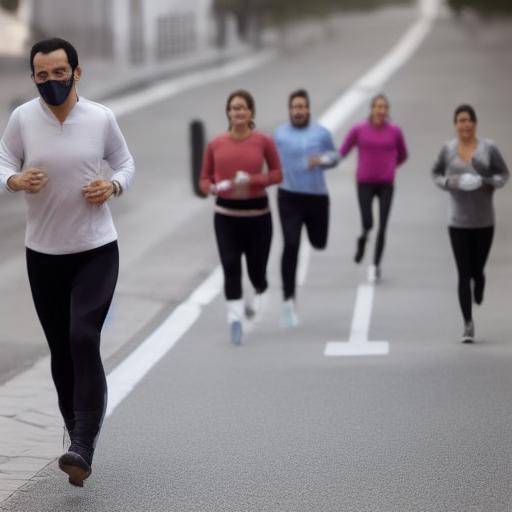
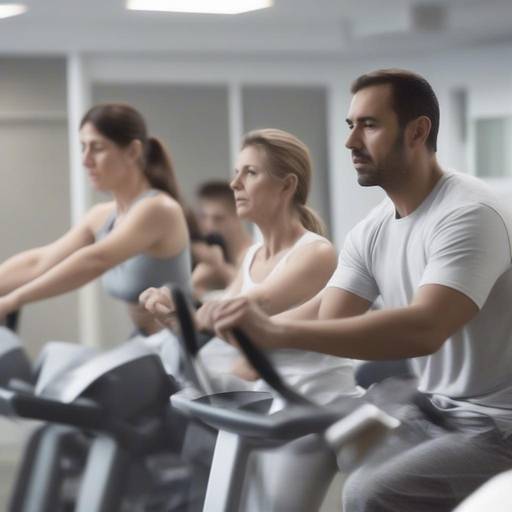
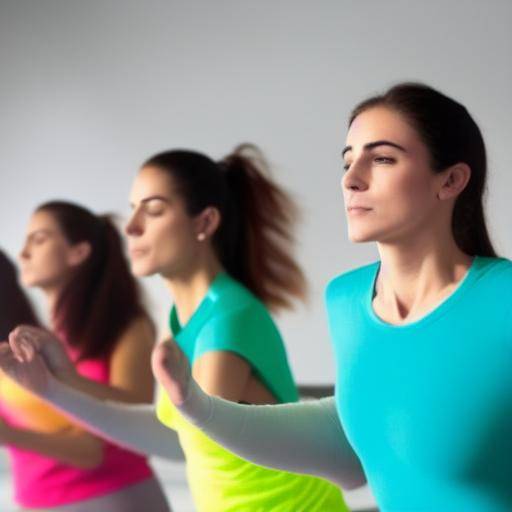
Care for our mental health is crucial, and the practice of physical exercise is a powerful tool that contributes to your well-being. However, to maximize its benefits, it is essential to incorporate continuous self-assessment into our routine. In this article, we will thoroughly explore the importance of continuous self-assessment in the practice of exercise for mental health, the positive impact it can have, and how we can effectively integrate it into our daily lives.
Introduction
Self-care and continuous self-assessment are vital elements to maintain an optimal balance of mental health. By combining these practices with physical activity, we can further enhance our results in terms of mental wellbeing. Throughout this article, we will explore in detail how continuous self-assessment can improve our relationship with exercise and ultimately benefit our mental health.
History and Background
Continuous self-evaluation is not just a modern concept; its roots go back to ancient cultures that recognized the importance of introspection and self-knowledge. From Eastern philosophy to Western traditions of well-being, self-assessment has been fundamental to personal growth and mental health care. Over the centuries, this practice has evolved and adapted to the changing needs of society.
In the context of physical exercise, continued self-assessment has become increasingly relevant as mental health awareness has grown. Understanding our own motivation, level of energy and emotional state before, during and after exercise gives us a deeper understanding of how this activity impacts our mental health.
Analysis in Deep
Regular exercise practice has shown numerous benefits for mental health, ranging from the release of endorphins to the reduction of stress and anxiety. However, continuous self-assessment gives us the opportunity to customize our exercise routines according to our mental needs.
Exploring our own challenges and achievements in the context of exercise can help us identify patterns, emotional triggers and areas of improvement. In doing so, we can adjust our exercise routines to maximize your mental health benefits by adapting them to our individual needs.
Comprehensive review
Through continuous self-assessment, we can determine which types of exercise generate greater emotional satisfaction, which help us to release stress, and which contribute to our overall feeling of well-being. This personalized understanding allows us to build exercise routines that not only strengthen our body, but also our mind.
In considering the relationship between continuing self-assessment, exercise and mental health, it is crucial to recognize that there is no one-stop solution for all. Each individual has their own needs and challenges in terms of mental health, which means that continuous self-assessment empowers us to adapt exercise to our specific needs.
Comparative analysis
Continuous self-assessment provides us with the ability to compare different exercise approaches and evaluate how our mental health affects. We can discover what types of exercise give us greater mental clarity, facilitate stress management or help us improve our mood. This comparison allows us to make informed decisions about what physical activities are most beneficial to our mental health.
At the same time, continuous self-assessment allows us to recognize how various factors, such as the environment, intensity of exercise and duration, affect our mental health. This helps us to adjust our exercise practice to optimize your positive impacts.
Practical Tips and Accessible Tips
To incorporate continuous self-assessment in our exercise routine, it is useful to carry a training journal that includes our emotions, energy levels and perceptions after each exercise session. This journal gives us a personal record that we can consult to identify patterns and trends.
In addition to continuing self-assessment, it is beneficial to establish clear exercise-related mental health goals. These goals may be focused on stress management, energy growth or mood improvement, and in regularly evaluating our progress, we can adjust our exercise routines to work towards these goals more effectively.
Industry Information and Expert Reviews
Mental health and exercise experts underline the importance of continuing self-assessment to maximize the benefits of physical activity. The ability to tune with our emotions during exercise allows us to integrate mental health into our physical practice in a holistic way.
Mental health professionals also highlight how continuing self-assessment can help identify signs of over-training, emotional exhaustion, or imbalances in the relationship between exercise and mental health. This awareness gives us the opportunity to adjust our training practices to ensure that they are sustainable and beneficial in the long term.
Case Studies and Real Life Applications
Exploring case studies that illustrate the successful integration of continuing self-assessment in exercise practice can provide tangible examples of how this can positively impact mental health. Cases in which individuals have modified their exercise routines based on their self-evaluations and have experienced significant improvement in their emotional well-being are powerful testimonies of the benefits of this practice.
Also, knowing how professional athletes or public figures manage their mental health through continuous self-evaluation in the context of exercise can provide inspiration and motivation for those who seek to do the same in their own lives.
Future Trends and Predictions
As awareness of mental health and self-care continues to grow, we can expect the integration of continuous self-assessment into exercise practice to become an even more integral part of physical and mental well-being programmes. Technological applications and custom tracking tools can further facilitate the incorporation of continuous self-assessment into our daily lives.
In the future, we are likely to see greater collaboration between mental health professionals and exercise coaches, working together to customize training programs that address both the physical and emotional needs of individuals.
Conclusion
In short, continuous self-evaluation plays a key role in optimizing the benefits of exercise for mental health. Being aware of how exercise affects us emotionally and mentally, we can adjust our routines to maximize your positive impact. By integrating continuous self-assessment into our exercise practice, we can foster greater emotional well-being and establish a solid basis for long-term mental health.
FAQs
Why is continuous self-assessment important in the practice of exercise for mental health?
Continuous self-assessment allows us to understand how exercise impacts our mental health individually. Being aware of our emotions, energy levels and emotional needs, we can adapt our exercise routines to maximize your mental health benefits.
How can I start incorporating continuous self-assessment into my exercise practice?
An effective way to start is to carry a training journal where you can register your emotions, energy levels and perceptions after each exercise session. By reviewing this record, you can identify patterns and adjust your exercise practice accordingly.
Can continuous self-assessment in exercise practice help prevent over-training and emotional exhaustion?
Yes, continuous self-evaluation allows us to detect signs of overtraining and emotional exhaustion before they become more serious problems. Identifying these signs gives us the opportunity to adjust our exercise routines to preserve our mental health.
What tools or resources can help me incorporate continuous self-assessment into my exercise practice?
There are applications and tracking tools that can facilitate continuous self-assessment, such as training daily applications or physical activity tracking devices that include emotional and mental aspects in their analysis.
What are some concrete examples of exercise routine adjustments that may arise from continuous self-assessment?
An example would be to reduce the intensity of a training if we are emotionally exhausted, or to choose exercises that help us release stress if we are in a state of anxiety. Adapting the duration or type of exercise based on our emotional needs is another common way of adjustment.
What are the long-term benefits of integrating continuous self-assessment into exercise practice?
By making self-assessment a habit in our exercise practice, we can develop a deeper understanding of how exercise impacts our mental health over time. This allows us to build sustainable exercise routines that foster our long-term well-being.
External Links
- APA.org - Exercise and mental health
- Mayo Clinic - Exercise and Stress
- National Institute of Mental Health - Self-care Tips
Conclusion In conclusion, continuous self-assessment is a powerful tool to maximize the benefits of exercise for mental health. Being aware of how exercise affects us emotionally and mentally, we can adapt our routines to promote greater emotional well-being. By integrating continuous self-assessment into our exercise practice, we establish a solid basis for long-term mental health. This holistic approach translates into a more balanced and satisfactory life.