Self-consciousness and self-discipline are two fundamental qualities that can significantly influence personal and professional success. Developing greater self-consciousness can lead to greater self-control and self-discipline, which in turn can help achieve important goals and objectives. In this article, we will thoroughly explore the concept of self-consciousness, discuss how self-discipline can be improved and examine its role in achieving personal success.
Introduction
Developing self-consciousness is a continuous process that involves being in tune with our thoughts, emotions, behaviors and values. Self-discipline, on the other hand, requires conscious control of our impulses and the ability to keep the focus on long-term goals, despite distractions and difficulties. Both qualities are essential to achieving personal success in various areas of life, including professional, academic and personal.
In this article, we will explore in depth what is self-consciousness, how to develop it, and how it can contribute to improving self-discipline. In addition, we will examine the interrelationship between self-consciousness and self-discipline in the context of personal success. Throughout the article, we will provide practical advice, case studies, expert opinion and future predictions to provide an integral understanding of these key concepts and their impact on achieving personal success.
History and Background
The notion of self-consciousness has deep roots in ancient philosophy, with references in the teachings of Socrates and Eastern philosophy. In Western tradition, philosophers such as Descartes and Kant have explored the idea of self-consciousness and its importance in understanding reality. Since then, psychological and neuroscientific research has shed light on the underlying mechanisms of self-consciousness and its role in emotional regulation and self-control.
Analysis in Deep
Self-consciousness has been shown to be closely related to the ability to regulate our emotions and behaviors. Recent studies in psychology and neuroscience have revealed the importance of self-consciousness in decision-making, problem solving and stress management. In addition, self-consciousness can help identify harmful or self-limiting behavior patterns, which in turn can contribute to a higher level of self-discipline.
Self-discipline, for its part, is a crucial component of personal success. The ability to postpone immediate gratification for long-term goals is critical to achieving success in any area of life. Self-discipline requires a deep understanding of oneself and the ability to resist the temptations and distractions that may arise on the way to achieving meaningful goals.
Comprehensive review
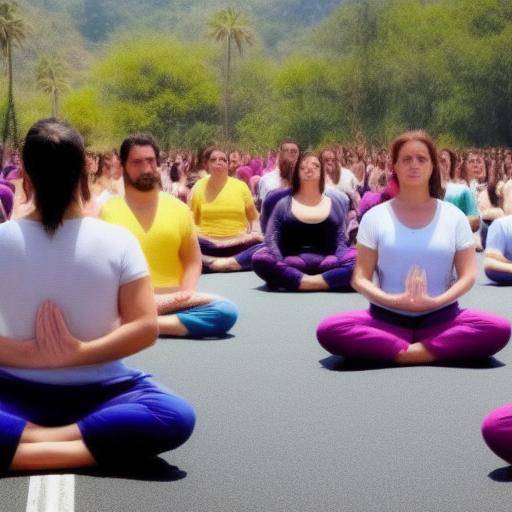
The development of self-consciousness can significantly improve self-discipline. By increasing our understanding of our own thoughts, emotions and behaviors, we can identify areas of improvement and develop strategies to strengthen our self-discipline. Meditation, self-analysis and constructive feedback are effective tools to promote self-consciousness and improve self-discipline.
Comparative analysis
While self-consciousness and self-discipline are distinct concepts, they are intrinsically connected on the road to personal success. Self-consciousness provides the basis on which self-discipline is built, offering the clarity and focus necessary to stand firm in the face of challenges and distractions. Both qualities are essential for achieving meaningful goals and maximizing personal potential.
Practical Tips and Accessible Tips
- Practicing daily meditation: Meditation can help develop self-consciousness by promoting full attention and conscious observation of our thoughts and emotions.
- Establish clear and specific goals: Defining concrete and achievable goals can provide a framework that promotes self-discipline and guides our behavior towards its achievement.
- Create a journal of self-consciousness: Keeping a journal of personal reflections can increase self-consciousness by fostering self-assessment and self-awareness.
- Find constructive feedback: Getting honest feedback from friends, mentors or therapists can provide valuable insights that foster self-knowledge and self-discipline.
Perceptions of Industry and Expert Reviews
According to experts in psychology and personal development, self-consciousness and self-discipline are fundamental skills that can be cultivated and strengthened over time. The regular practice of self-consciousness and self-discipline can lead to greater effectiveness, resilience and well-being in various areas of life, from work to interpersonal relationships.
Case Studies and Applications in Real Life
Through real case studies, we can see how the development of self-consciousness has led to significant progress in self-discipline and the achievement of personal success. Examples of individuals who have integrated self-consciousness practices in their daily lives and have experienced notable improvements in their self-discipline and work performance support the importance of these concepts.
Future Trends and Predictions
As awareness of the importance of self-consciousness and self-discipline continues to grow, practices and tools for development are expected to become more accessible and widespread. Furthermore, the incorporation of self-consciousness and self-discipline into educational and organizational environments can lead to significant improvements in achieving goals and overall well-being.
Conclusions and FAQs
In short, self-consciousness is an essential component of self-discipline and personal success. By developing a deep understanding of ourselves and our motivations, we can strengthen our ability to keep the focus on significant goals and resist temptations and distractions.
Frequently asked questions
1. How can I develop self-consciousness in my daily life?
- Answer: It can develop self-consciousness through the practice of meditation, regular self-evaluation and the search for constructive feedback.
2. What role does self-consciousness play in self-discipline?
- Answer: Self-consciousness provides the basis on which self-discipline is built by promoting conscious observation of our thoughts and emotions.
3. What are some practical exercises to strengthen self-discipline?
- Answer: Establish clear and specific goals, practice time management and cultivate positive habits are effective exercises to strengthen self-discipline.
4. How can organizations foster self-consciousness and self-discipline among their employees?
- Answer: Organizations can foster self-consciousness and self-discipline through personal development programmes, support for stress management and the promotion of a culture of constructive feedback.
5. What is the importance of self-consciousness in the educational field?
- Answer: Self-consciousness is fundamental in the educational field, as it can help students understand their own strengths, weaknesses and academic goals, which in turn can improve their ability to remain disciplined in their studies.
6. How does self-consciousness and self-discipline influence general welfare?
- Answer: Self-consciousness and self-discipline are closely related to general well-being, as they promote emotional self-regulation, stress management and ability to keep the focus on healthy and meaningful goals.
In conclusion, self-consciousness and self-discipline are fundamental pillars for achieving personal success. By developing and strengthening these qualities, we can significantly improve our ability to achieve goals, overcome challenges and maintain a healthy balance in our lives. The path to self-consciousness and self-discipline can be challenging, but the benefits of its development fully justify the invested effort.
This is just an initial example based on the instructions provided. If you need further information or adjustments, please do not hesitate to request it.