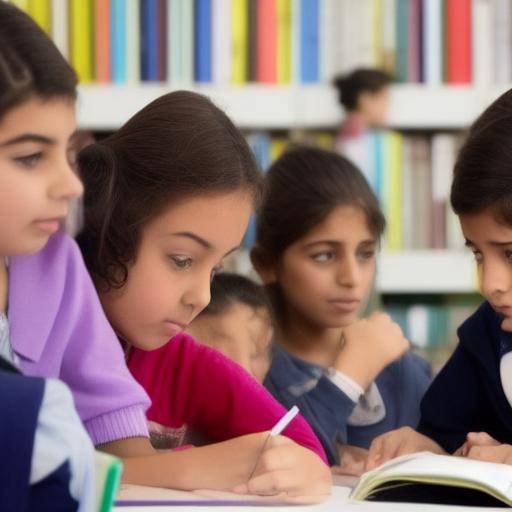
Continuous education, also known as continuing education or continuous learning, refers to the practice of continuing to acquire knowledge and skills throughout life. This process is not limited to academia, but encompasses multiple areas of personal and professional development. When combined with self-discipline, continuing education can have a significant impact on personal growth. In this article, we will explore in depth the impact of continuing education on the development of self-discipline and how this influences personal growth. In addition, we will discuss practical implications, future trends and share useful advice for those interested in this development path.
Introduction
Personal and professional development has become a priority in the contemporary world. In this context, continuing education has gained relevance by providing an opportunity for continuous learning, updating skills and comprehensive growth. Self-discipline, on the other hand, plays a crucial role in this process by giving the willpower and constancy necessary to achieve long-term goals and objectives. In this article, we will examine how continuing education impacts the development of self-discipline, and consequently personal growth.
Our journey will begin with a look to the past, exploring the historical background of continuous education and its evolution over time.
History and Background
The concept of continuous education has deep roots in the history of humanity. From ancient civilizations to the modern era, the desire to learn and evolve has been present in various cultural and social contexts. The first forms of continuing education go back to the oral teachings transmitted from generation to generation in traditional societies. With the advent of writing and the formation of the first educational institutions, continuing education began to acquire more formal structures.
Industrialization and globalization marked a turning point in continuing education, as rapid technological evolution and the need for constant adaptation led to the demand for continuous learning in the labour sphere. Continuous education programmes were established for professionals seeking to remain updated in their respective fields.
At present, continuing education extends beyond traditional academic institutions, including online programs, short courses, certifications and workshops that enable people to seek and acquire relevant knowledge for their careers and personal lives.
Analysis in Deep
The impact of continuing education on the development of self-discipline is significant. By engaging with constant learning, people cultivate the necessary discipline to devote time and effort to acquiring new knowledge and skills. This repetitive act strengthens self-discipline, helping people overcome adversities and keep the focus on their long-term goals.
Continuous education also fosters self-discipline by promoting time planning and effective organization. Those who participate in continuing education programs should often balance their personal, professional and academic lives, which requires careful management of time and energy, fundamental aspects of self-discipline.
In addition, the development of skills through continuing education provides people with a sense of achievement that reinforces self-discipline. As they dominate new knowledge and skills, they experience increased self-confidence and the ability to face future challenges with determination and persistence.
Comprehensive review
It is clear that continuing education and self-discipline are intrinsically intertwined, generating a significant impact on personal and professional growth. Access to a variety of educational resources throughout life fosters self-learning and self-regulation, fundamental skills for the integral development of a person. In addition, strengthened self-discipline through continuous education has a positive impact on decision-making, problem solving and adaptive capacity to changing environments.
In addition, continuing education and self-discipline can influence a person ' s ability to establish and achieve goals both in the short and long term. The ability to set clear objectives and develop an effective action plan is critical for personal growth, and both skills are strengthened through commitment to continuous learning and self-discipline practice.
Comparative analysis
By comparing continuous education, self-discipline and personal growth, it is clear that each of these elements interacts in a positive feedback cycle. Continuous education promotes the development of self-discipline, which in turn enhances personal growth in various areas of life. While continuing education provides the necessary knowledge and skills for growth, self-discipline provides perseverance and the necessary approach to effective implementation.
In addition, personal growth is not limited to the professional sphere; it covers emotional, intellectual, spiritual and physical aspects. Continuous education and self-discipline play a crucial role in the holistic development of a person, strengthening their resilience, determination and capacity to face challenges with serenity and trust.
Practical Tips and Accessible Recommendations
If you are interested in enhancing your development through continuous education and self-discipline, consider the following practical tips:
- Set clear and attainable goals for your continuing education. Define what knowledge or skills you would like to acquire and set up an action plan to achieve it.
- Manage your time effectively. Dedicating specific moments for continuous learning will help you foster discipline and constancy in your efforts.
- Find varied learning opportunities. Continuous education is not limited to a single field. Explore new areas of interest to keep your mind active and responsive to learning.
- Practice self-discipline in your daily life. Establish habits and routines that encourage constancy and self-control, which will help you maintain the momentum in your continuing education.
Industry Perspectives and Expert Reviews
According to experts in the field of education and personal development, the focus on continuous education and self-discipline is essential to remain relevant in a constantly evolving society. Technological advances and changes in the labour market have increased the need for continuous adaptation and updating, which requires a firm commitment to learning and personal discipline.
Industry has also recognized the importance of fostering working environments that support continuous education and self-discipline. Many companies offer internal training programs, education grants and labor flexibility to encourage the continued growth of their employees.
Case Studies and Practical Applications
Case studies and practical applications provide concrete examples of the impact of continuous education and self-discipline on people ' s lives. From professionals who achieve job promotions thanks to their commitment to continuing education, to individuals who transform their lives through self-discipline applied in different areas, real experiences illustrate the importance of these concepts in personal growth.
Future Trends and Predictions
The future of continuous education and self-discipline is promising, with a growing emphasis on adapting to digital environments, personalizing educational processes and focusing on soft skills. Emerging technologies, such as artificial intelligence and automatic learning, are expected to transform the way people access continuous learning, offering development opportunities to an unprecedented scale.
Self-discipline is expected to remain a valuable asset in a changing world, as it provides people with the ability to maintain the necessary approach, resistance and adaptability to thrive in dynamic environments.
Conclusion
In short, continuing education influences the development of self-discipline, which in turn promotes personal growth in various dimensions of life. The combination of continuous and self-discipline learning not only strengthens skills and competition, but also shapes people's mindset and approach, preparing them to face challenges and take advantage of opportunities with determination and confidence.
To remain committed to continuing education and cultivating self-discipline are key elements for personal and professional growth in a constantly changing world.
Frequently asked questions
What is the importance of continuing education in the world of work?
Continuous education is fundamental in the world of work, as it allows professionals to stay up to date in their fields, acquire new skills and adapt to the changing demands of the labour market.
How does self-discipline relate to academic and professional success?
Self-discipline plays a crucial role in academic and professional success, as it promotes perseverance, the organization of time and the ability to overcome obstacles, fundamental qualities to achieve long-term goals.
What are some practical ways of fostering self-discipline on a daily basis?
Establishing routines, setting attainable goals, keeping the focus on priorities, and practicing emotional self-regulation are some of the practical ways to promote self-discipline in everyday life.
How can continuing education impact personal development beyond the professional?
Education continues not only strengthens professional skills, but also expands knowledge, fosters critical thinking, and contributes to the development of an open and responsive mentality to new opportunities.
What role do motivation and education play in personal success?
Motivation and continuing education are essential ingredients for personal success, as they drive growth, adaptability and ability to pursue challenging goals with determination and enthusiasm.
How to identify continuing education opportunities relevant to comprehensive development?
Identifying opportunities for continuing education relevant to comprehensive development involves reflecting on personal and professional goals, investigating relevant educational programs and evaluating alignment with individual interests and skills.
With all the elements analysed, it is clear that continuing education and self-discipline are fundamental pillars for the integral development of people. By continuing to learn, cultivate discipline and face challenges with determination, it is possible to achieve significant personal growth that transcends the limits of the professional field.