Introduction
Cardiovascular exercise is not only beneficial to physical health, but also plays a crucial role in mental well-being. In modern society, where stress and anxiety are common realities, understanding how cardiovascular exercise can influence the reduction of anxiety is of paramount importance. In this article, we will explore in detail the impact of cardiovascular exercise on reducing anxiety, its benefits, challenges, practical applications, and future trends. We will also address frequent questions and provide practical advice.
History and Background
Cardiovascular exercise has been part of human history since ancient times. The first forms of cardiovascular exercise could be traced through hunting and gathering in primitive societies. However, the scientific understanding of the benefits of cardiovascular exercise in human health has evolved significantly over the centuries. From ancient Greece to rebirth, and to modern studies of the twentieth century, a vast knowledge has been accumulated on the positive effects of cardiovascular exercise on the body and mind.
Analysis in Deep
Cardiovascular exercise not only strengthens the heart and improves physical resistance, but also has profound effects on mental health. Numerous studies have shown that cardiovascular exercise can reduce levels of anxiety and stress, as well as improve mood and self-esteem. These positive effects are attributed to the release of endorphins and the reduction of cortisol levels, stress hormone, in the body.
Comprehensive review
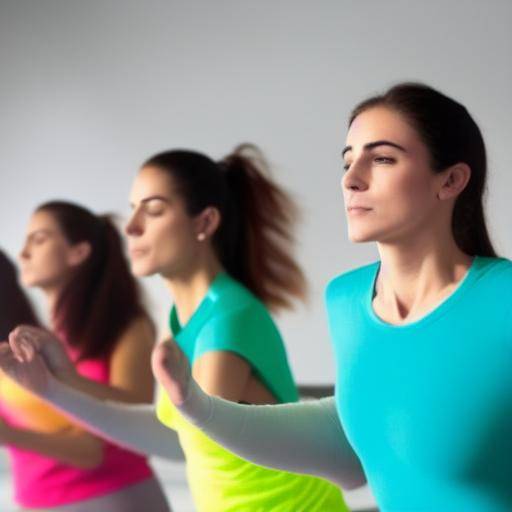
In considering the application of cardiovascular exercise to reduce anxiety, it is important to take into account the various approaches and practices. For example, the combination of cardiovascular exercise with breathing and meditation techniques can further enhance its beneficial effects in reducing anxiety. In addition, adapting the intensity and duration of cardiovascular exercise to individual needs can maximize their benefits, especially in people with anxiety disorders.
Comparative analysis
Comparatively, cardiovascular exercise highlights as a holistic strategy to improve mental health compared to certain medical or pharmacological interventions. While pharmacological therapies often involve unwanted side effects, cardiovascular exercise offers a natural and sustainable alternative to reduce anxiety. Moreover, its positive impact on the overall health of the individual contributes to a comprehensive well-being approach.
Practical Tips and Accessible Advice
Looking to use cardiovascular exercise as a tool to reduce anxiety, it is advisable to follow a regular and varied exercise program that includes activities such as running, swimming, biking or dancing. Consistency in practice is key to achieving significant results. In addition, finding activities that are fun and rewarding can increase adherence to cardiovascular exercise, thus maximizing their mental health benefits.
Industry Perspectives and Expert Reviews
Mental health and well-being experts have consistently advocated for the inclusion of cardiovascular exercise in treatment and anxiety prevention plans. Its perspective enriches the general understanding of how cardiovascular exercise can positively influence mental and emotional health.
Case Studies and Real Life Applications
Case studies that illustrate how individuals with different levels of anxiety have experienced significant improvements as a result of the implementation of cardiovascular exercise programs are valuable testimonies of their effectiveness in reducing anxiety. These cases offer a practical and tangible view of how cardiovascular exercise can have a transformative impact on everyday life.
Future Trends and Predictions
As awareness of the importance of mental well-being continues to grow, cardiovascular exercise is expected to play an even more prominent role in reducing anxiety. Current trends suggest that there will be a greater emphasis on the integration of cardiovascular exercise programmes into therapeutic and self-care environments, as well as on the development of technologies and applications that encourage regular participation in physical activities beneficial to mental health. This holistic approach promises not only to reduce anxiety, but also to improve the quality of life in general.
Conclusions and FAQs
Conclusions
The impact of cardiovascular exercise on reducing anxiety is undeniable. From its historical roots to its modern applications, cardiovascular exercise has proven to be an effective and sustainable tool to improve mental health. By understanding how cardiovascular exercise can positively influence the reduction of anxiety and by implementing this knowledge in practice, it is possible to cultivate greater emotional well-being and a general sense of equilibrium in everyday life.
Frequently asked questions
What is the best form of cardiovascular exercise to reduce anxiety?
The best form of cardiovascular exercise to reduce anxiety is the one you enjoy and can maintain consistently. The options include running, swimming, biking, aerobic dance, among others. The key is to find activities that motivate you and give you satisfaction.
How long do you need to reduce anxiety?
There is no specific time set, but it is recommended to perform at least 150 minutes of moderate cardiovascular exercise per week, distributed in sessions of at least 30 minutes. However, even small amounts of exercise may have benefits for reducing anxiety.
Is cardiovascular exercise effective as a unique treatment for anxiety?
While cardiovascular exercise may be beneficial in reducing anxiety, in cases of severe anxiety disorders, it is important to seek professional guidance. Cardiovascular exercise may complement other therapeutic approaches, but it should not be the only treatment strategy.
Is there any restrictions to perform cardiovascular exercise if you suffer from anxiety?
It is always advisable to consult a health professional before starting a cardiovascular exercise program, especially if there are underlying medical conditions. However, in many cases, cardiovascular exercise can be beneficial for anxiety, provided that it is practiced in a safe and adequate way to individual physical condition.
Does cardiovascular exercise have lasting effects on reducing anxiety?
If a regular cardiovascular exercise program is maintained, its beneficial effects on reducing anxiety can be durable. However, consistency in practice is critical to maintaining these effects in the long term.
What role does breathing play in the effectiveness of cardiovascular exercise to reduce anxiety?
The integration of conscious breathing techniques during cardiovascular exercise can enhance the effects on reducing anxiety. By synchronizing breathing with movement, you can encourage relaxation and mind-body connection, thus promoting greater relief of stress and anxiety.
In short, cardiovascular exercise has a significant impact on reducing anxiety, offering a natural and holistic solution to improve mental and emotional health. By understanding the benefits, challenges and practical applications of cardiovascular exercise in reducing anxiety, a holistic approach to emotional well-being and a balanced life can be cultivated.
With quality information, professional guidance and a personal commitment to regular practice, cardiovascular exercise can be a powerful tool to address anxiety and foster greater overall well-being.